Akwa Ibom Governor Unveils Land, Apartment, Music Studio And Monthly Allowance For Visually Impaired Gospel Singer Chris Vic

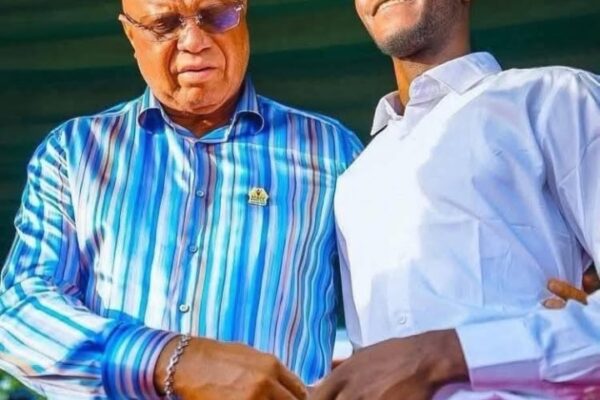
Akwa Ibom Governor Pastor Umo Eno has unveiled a transformative support package for gospel singer Chris Vic, who rose to national prominence after finishing third in the De9ja Spirit Talent Hunt. In a statement shared on X on Sunday, Governor Eno outlined plans to provide the singer with a prime plot of land in Uyo, the state capital, where a four-bedroom apartment will be constructed. The Certificate of Occupancy is expected to be officially handed over next week. Beyond housing, the governor announced ₦100 million to establish a fully equipped music studio for Chris Vic, stressing that the funding is separate from the cost of the land and apartment. Additionally, the singer will receive a monthly allowance of ₦1 million throughout Governor Eno’s tenure. “I have directed the Commissioner for Lands to allocate a plot of land in Uyo to Chris Vic, and I will sign the Certificate of Occupancy next week. We will also build him a four-bedroom flat and commit ₦100 million to set up his music studio. This is separate from the cost of the land and the house. In addition, as long as I remain Governor, he will receive a monthly allowance of ₦1 million,” the governor said. Governor Eno described the initiative as a reflection of both divine faithfulness and human resilience. He said Chris Vic’s journey is a powerful reminder that hope and praise can thrive even in adversity, and reassured persons with disabilities that his administration remains committed to their welfare. Chris Vic, who lost his eyesight at five following a failed glaucoma surgery, shared in a recent interview that music became both his refuge and calling, inspiring him to develop the talent he believes was divinely given.

Read More

Benin Coup Plot Collapses As Presidency Confirms Talon’s Safety And Army Restores Order

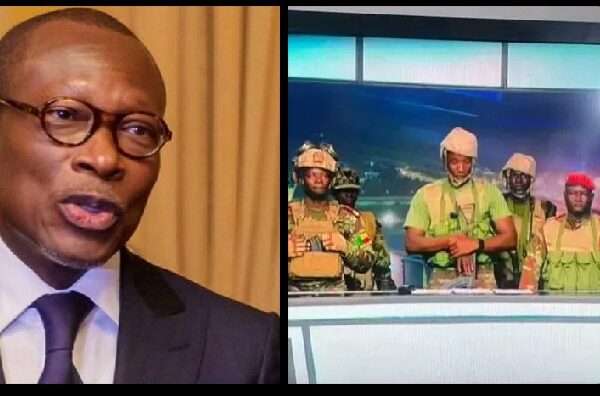
Benin was thrown into confusion on Sunday after a group of soldiers briefly took over the national television station and announced what they described as a successful military takeover of government. The soldiers identified themselves as members of a newly formed Military Committee for Refoundation and were said to be led by Lieutenant Colonel Pascal Tigri. During the broadcast, Tigri declared himself “chairman of the military re-establishment committee” and claimed that President Patrice Talon had been removed from office and that all state institutions had been dissolved. Reports from local outlet TchadOne indicated that the group had earlier attacked the president’s residence in the Le Guézo area before moving to seize control of the television station. However, the Benin presidency quickly dismissed the claims and confirmed that President Talon was not harmed. Officials assured citizens that loyal forces were already restoring order across the capital. “This is a small group of people who only control the television. The regular army is regaining control. The city and the country are completely secure.” The statement made it clear that the attempted takeover did not have the backing of the wider armed forces. The incident comes amid a wider pattern of military interventions that have unsettled West Africa in recent years. In November 2025, Guinea-Bissau’s political process collapsed after generals seized power on the eve of a presidential election, detaining President Umaro Sissoco Embaló and suspending the polls. General Horta Inta-A was later installed to lead a one-year transition, a move that drew condemnation from ECOWAS. Opposition candidate Fernando Dias da Costa fled to Nigeria over safety concerns. Mali has remained under military rule since the 2020 and 2021 coups that brought Colonel Assimi Goïta to power. In August 2025, the junta announced it had uncovered another coup plot, leading to the arrest of two generals and a French national. Political parties remain banned, elections have been pushed back indefinitely, and insecurity linked to jihadist groups continues to worsen. Burkina Faso, under Captain Ibrahim Traoré since the 2022 coup, also faced an attempted overthrow in April 2025. Authorities accused senior officers of conspiring with terrorist groups, triggering security crackdowns in Ouagadougou. Elections have been postponed, and the junta has unveiled controversial reforms, including plans to restore the death penalty for treason and terrorism. Niger’s military takeover in July 2023 remains another defining case. President Mohamed Bazoum was detained by his own presidential guard, paving the way for General Abdourahamane Tchiani to assume power with military backing. Despite regional sanctions and strained relations with Western partners, the country has remained under military rule, with public demonstrations reflecting deep divisions over the junta and foreign influence. The failed move in Benin now adds to the growing list of coup attempts and military interventions reshaping the political landscape of the region.

Read More

National Assembly To Create 156 New Seats For Women With Passage Of Reserved Seats Bill

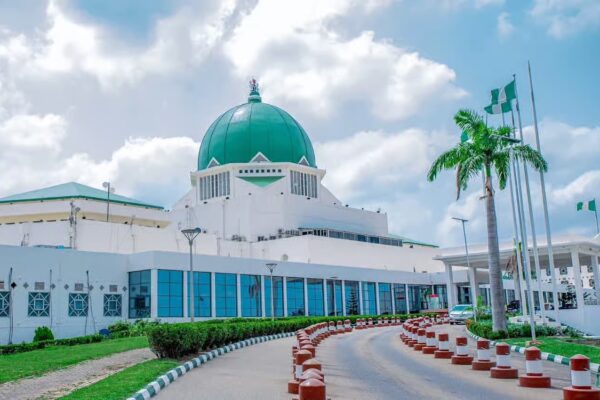
Nigerian women could secure up to 156 additional seats across federal and state legislatures if the Reserved Seats for Women Bill presently before the National Assembly is approved and signed into law by the President. The proposed legislation seeks to amend the 1999 Constitution to introduce special seats exclusively for women in the Senate, House of Representatives and state Houses of Assembly. Supporters of the bill describe it as a corrective, strategic and temporary intervention aimed at addressing the persistent underrepresentation of women in governance after decades of exclusion. Under the original framework of the proposal, each state would produce one reserved female seat in the Senate and one in the House of Representatives, in addition to three seats for women in every state assembly. However, developments indicate that the Senate is instead pressing for a modified arrangement that would allocate one reserved women’s seat per geopolitical zone in the upper chamber. Speaking during a training programme for members of the House of Representatives Press Corps organised by the House Committee on Media and Public Affairs in partnership with the TOS Foundation, the Special Adviser to the Deputy Speaker on Legislative Matters, Chidozie Aja, dismissed claims that the bill was designed to edge men out of existing elective offices. “For emphasis, these seats will not replace existing seats, but will expand representation to create room for women at the table of decision-making. It is important, also to note that political parties will field only female candidates for these seats.” He explained that the bill was initially structured to last for four election cycles, covering a period of 16 years, describing it as a temporary special measure. However, he disclosed that current proposals may lead to either an extension of the duration or the complete removal of the sunset clause. “It is meant to last for four election cycles of 16 years in all. It is a temporary special measure. However, adjustments being proposed so far may either completely remove the sunset clause or extend the duration. Summarily, the Bill seeks to alter Sections 48, 49, 71, 77, 91 and 117 of the Constitution of the Federal Republic of Nigeria, 1999; and more recently recommended alteration of Section 42.” Aja noted that while this form of gender-based legislative intervention is new in Nigeria’s political system, it has produced strong results in other African countries. “While this is novel in the Nigerian space, this approach has been used successfully by Rwanda, now the global leader with 61% women in Parliament. Other countries that have successfully implemented this approach, in various forms and mixes, include Tanzania, Uganda, Kenya, Burkina Faso and Senegal.” He acknowledged that even with the proposed expansion, Nigeria’s overall female representation would still remain relatively low, though it would mark a meaningful step forward. “It is important to note that even if additional 74 seats are granted in the Senate and House of Representatives, bringing the total number of seats to 543, it means that Nigeria will only secure 13.6% women representation in the national parliament. Not an outstanding progress, but significant.” According to him, global evidence supports structural gender quotas as an effective tool for improving governance. “The evidence is clear, countries that adopt structural gender quotas tend to experience stronger representation, better governance, and improved development outcomes.” Aja further stressed that the bill would strengthen Nigeria’s democracy, noting that democracy works best when all segments of society are represented. He explained that Nigeria’s democratic system is currently operating below its full potential because women remain largely excluded from political power. He added that women’s inclusion would make democracy deeper, more legitimate and more stable. He also pointed out that multiple global studies show that when women take active roles in governance, parliaments pass stronger health policies, more education-focused laws, improved social protection frameworks and more community-driven development policies. According to him, women’s presence directly enhances the quality of governance. Aja described women as critical players in peacebuilding, particularly at the grassroots level, noting that their involvement helps reduce conflict and strengthens community resilience. He further maintained that gender inclusion should also be seen as a powerful economic strategy. Citing a study by the McKinsey Global Institute, he revealed that Nigeria’s economy stands to benefit significantly from full inclusion of women in political and economic life. The institute projects a potential overall economic gain of $22.9 billion and up to 23 percent growth in GDP if Nigeria succeeds in substantially reducing gender inequality by 2025.

Read More

Malami Denies Terror Financing Link, Accuses Political Rivals Of Smear Campaign

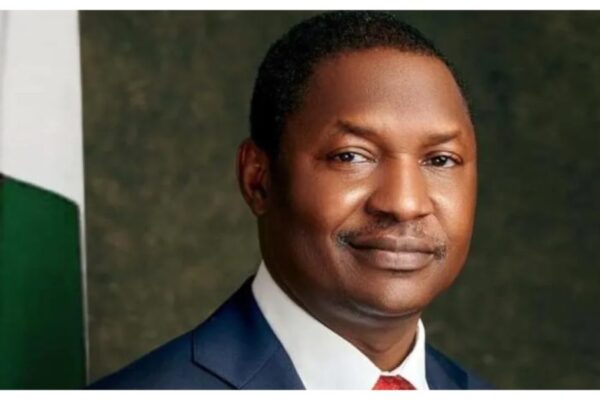
Former Attorney-General of the Federation and Minister of Justice, Abubakar Malami, SAN, has firmly rejected reports that attempted to link him to terrorism financing, describing the claims as false, deceptive and driven by political mischief. Malami stated that throughout his years in public service and beyond, he has never been subjected to any form of investigation or inquiry connected to terrorism or its funding. “At no point in my public life during or after my tenure has, he been summoned, questioned, targeted or investigated by any security, regulatory or intelligence authority in Nigeria or abroad in relation to terrorism financing.” He went further to issue another categorical denial: “I state clearly and unequivocally that I have never at any time been accused, invited, interrogated, investigated or charged by any security, law-enforcement, regulatory or intelligence agency within or outside Nigeria in respect of terrorism financing or any related offence.” According to Malami, the controversy stemmed from remarks credited to a retired military officer, who only suggested that some unnamed terror suspects previously had “institutional” or “business” interactions with various individuals. He stressed that the officer never concluded that such interactions amounted to aiding terrorism. “That important clarification was unfortunately overshadowed by a headline and framing capable of misleading well-meaning members of the public into drawing inaccurate and damaging conclusions.” Malami accused political adversaries of latching onto the report and weaponising it to damage his reputation. He maintained that it is dishonest to twist legitimate professional dealings into allegations of terror sponsorship. “To suggest that lawful professional or institutional engagements can, without more, be read as evidence of terrorism financing is both mischievous and unjust.” Defending his time in office, Malami insisted that his tenure was marked by concrete efforts to reinforce Nigeria’s security and anti-terror financing architecture. “During my tenure, I worked with domestic and international partners to strengthen not undermine Nigeria’s anti-terror-financing regime. Any attempt to recast this as complicity is politically motivated and devoid of evidentiary basis.” He concluded by warning Nigerians against being swayed by politically coloured narratives presented as intelligence reports. “Public discourse must differentiate between verified intelligence and politically massaged narratives presented as investigative findings.”

Read More

Okpebholo Claims Rising Kidnappings Are Plot to Undermine President Tinubu

Governor Monday Okpebholo of Edo State has alleged that the recent spike in kidnappings across the country is a calculated move to weaken President Bola Tinubu politically. According to the governor, the same strategy was deployed years ago against former President Goodluck Jonathan and it worked at the time. However, he maintained that it will fail under the current administration. His comments follow a string of violent abductions by suspected bandits in different parts of the country. In November, gunmen invaded the Christ Apostolic Church, CAC, Oke Isegun, in the Eruku area of Kwara State and kidnapped several worshippers during a church service. Around the same period, at least 10 residents were also abducted from Biresawa and Tsundu communities in Tsanyawa Local Government Area of Kano State. While addressing Igbo leaders at the Government House in Benin City, Okpebholo described the kidnappings as politically driven rather than random criminal acts. “What they are doing now is that they will go and kidnap people just because they want to discourage Mr President but he is resolute. “They are kidnapping people because somebody wants to win an election, it’s not fair. They did this to Goodluck Jonathan and they succeeded, but we know their trick already.”

Read More

Buratai Rejects Terrorism Financing Claims, Demands Retraction and Apology

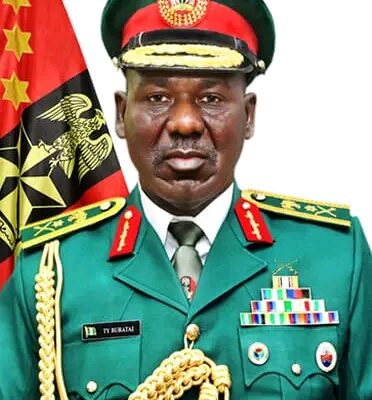
Former Chief of Army Staff and Ambassador to Benin Republic, Lt.-General Tukur Buratai (rtd), has rejected claims linking him to terrorism financing, describing the allegations as entirely false and malicious. In a statement released on Saturday and signed by his former Army spokesperson, Brig.-General Sani Kukasheka Usman, Buratai said the insinuation is inconsistent with facts and contradicts his lifelong commitment to defending Nigeria against terrorism. The statement followed an online report connecting him and other prominent figures to terrorism financiers. The statement stressed that at no time in his career was Buratai ever investigated, questioned, or associated with terrorism financing by any official body, including security agencies, intelligence services, judicial panels, or oversight institutions. It also criticized Sahara Reporters for relying solely on the unverified claims of Major General Danjuma Ali-Keffi (rtd), calling the publication a “misrepresentation borne out of malice” with no factual or legal basis. Buratai’s statement highlighted his four decades of service, noting his leadership in significantly weakening Boko Haram and ISWAP, reclaiming territories, restoring civil administration, and facilitating the return of displaced Nigerians. “It defies logic to suggest that the same person who led decisive actions against terrorism could be connected to the very elements he spent his career fighting,” the statement said. The statement concluded by demanding that Sahara Reporters and Major General Ali-Keffi retract the publication and issue a public apology, warning that failure to comply would force Buratai to pursue legal action to protect his reputation.

Read More

CAC Issues Nationwide Crackdown On Unregistered PoS Operators Starting January 2026

The Corporate Affairs Commission has announced a nationwide crackdown on unregistered Point-of-Sale operators, warning that all PoS businesses must complete proper registration to continue operating in Nigeria. In a statement posted on its Instagram page on Saturday, the CAC noted a surge in PoS operators running without official registration. The commission said this trend violates the Companies and Allied Matters Act 2020 and the Central Bank of Nigeria’s Agent Banking Regulations. The CAC also accused some fintech companies of allowing unregistered agents to operate, describing the practice as dangerous and a threat to Nigeria’s financial system. It warned that unregulated operations put millions of Nigerians, including small business owners and rural communities, at risk of financial and investment losses. The commission stated that beginning 1 January 2026, security agencies will enforce compliance nationwide. Unregistered PoS terminals will be seized or shut down, and fintech firms that facilitate illegal operations will be flagged and reported to the Central Bank of Nigeria. “Effective 1 January 2026, no PoS operator will be allowed to operate without CAC registration. All operators are urged to regularise their businesses immediately. Compliance is mandatory,” the statement read. The move follows growing concerns over fraud in PoS operations and unlicensed cryptocurrency activities. Olufemi Bamisile, Chairman of the House of Representatives ad hoc committee on Economic, Regulatory, and Security Implications of Cryptocurrency Adoption and PoS Operations, highlighted issues including unprofiled agents, cloned terminals, anonymous transactions, and weak Know-Your-Customer measures, all of which expose Nigerians to financial loss, cybercrime, and security breaches.

Read More
Senator Akpoti-Uduaghan Says Invitation to Senate President for Kogi Projects Was Procedural, Not Personal

Akpoti-Uduaghan Ready To Prove Sexual Harassment Claims Against Akpabio In Court

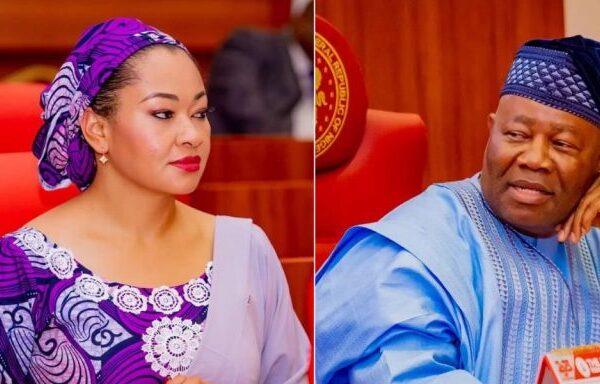
Senator Natasha Akpoti-Uduaghan (PDP, Kogi Central) has stated that she is fully prepared to prove her sexual harassment allegations against Senate President Godswill Akpabio in court. Her statement followed the formal service of a ₦200 billion defamation lawsuit filed by Akpabio, which she confirmed receiving on Friday in Abuja. She said the court now provides the platform that the Senate Committee on Ethics and Privileges had previously denied her. “The court process gives me the chance I have long sought to establish the truth of my claims,” Akpoti-Uduaghan said, adding that she will show that her refusal to submit to Akpabio’s alleged advances led to prolonged and politically motivated attacks against her. “See you in court, Godswill Akpabio,” she declared. The lawsuit, filed at the High Court of the Federal Capital Territory, accuses the Kogi Central senator of making false statements that depicted him as a predator who abused his office for personal gratification. The suit seeks ₦200 billion in damages, nationwide public apologies, retractions, and the removal of all online materials containing the allegations. Court documents indicate that Akpabio claims millions of Nigerians were exposed to Akpoti-Uduaghan’s interviews on television, radio, and online, causing him reputational harm, humiliation, and emotional distress. The filings include a detailed Statement of Claim and a list of witnesses. After attempts to serve Akpoti-Uduaghan directly failed, a court order on November 6, 2025, allowed service through the Clerk of the National Assembly. With both parties now officially before the court, the case is expected to proceed and is emerging as one of Nigeria’s most closely watched political and legal disputes in recent times.

Read More