

Trump Raises Concerns Over Netflix’s $72bn Warner Bros Acquisition
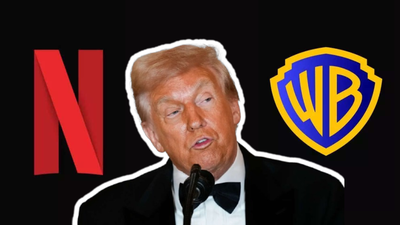
US President Donald Trump has expressed concerns over Netflix’s proposed $72bn (£54bn) acquisition of Warner Brothers Discovery’s movie studio and HBO streaming networks, citing potential competition issues due to the combined companies’ market power.
At a Washington DC event on Sunday, Trump noted that Netflix already holds a “very big market share,” which would increase significantly if the deal goes through. He said he would personally oversee the approval process, signaling an unusual level of presidential involvement in the merger review.
The agreement, announced last Friday, would bring major franchises including Harry Potter, Game of Thrones, Looney Tunes, The Matrix, and Lord of the Rings to Netflix, creating a new media giant. The merger is pending regulatory approval and is expected to finalize after Warner Bros splits its business in the second half of 2026.
Trump also praised Netflix co-CEO Ted Sarandos, who recently visited the Oval Office, calling him “a great person” who has done “one of the greatest jobs in the history of movies.” Sarandos said the deal positions Netflix for long-term growth, despite surprising some investors.
Industry experts have weighed in on potential antitrust concerns. Blair Westlake, a former Universal Studios executive, said the main focus will be on the combination of Netflix and HBO’s streaming business, noting that Netflix’s own studio production and content library are smaller than Warner Brothers’. He predicted the merger would likely be approved, but with possible concessions.
Bill Kovacic, a former Federal Trade Commission chair, said Trump’s statements indicate an unprecedented level of presidential oversight over the regulatory process, which is usually handled as a technical review by competition authorities.
Netflix won the bidding war for Warner Bros against rivals including Comcast and Paramount Skydance. The Writers Guild of America’s East and West branches have called for the merger to be blocked, warning it could reduce jobs, suppress wages, worsen working conditions, raise consumer prices, and limit content diversity.
If approved, the acquisition would be the largest in the film industry in recent years and cement Netflix’s position as the world’s leading subscription streaming service.