Nigerian Man Loses Fingers to Frostbite While Fleeing US Deportation to Canada

Nigerian Man Loses Fingers to Frostbite While Fleeing US Deportation to Canada

Chidi Nwagbo, a 57-year-old Nigerian man facing deportation from the United States, has recounted how he lost several fingers to frostbite while attempting to cross into Canada with the help of human smugglers. Nwagbo, who has lived in the US since 1988, said he felt compelled to flee after Donald Trump’s re-election in November. In February, he paid $2,000 to smugglers in New Jersey, who promised him safe passage to Canada through the snowy borderlands between New York and Quebec. The journey, however, turned into a life-threatening ordeal. Nwagbo and other migrants, including women and a baby, were forced to trek through deep snow in freezing temperatures as low as -28°C. He lost his gloves along the way, and frostbite later led to the amputation of multiple fingers. “It was supposed to be a 30 to 40 minutes walk. These people (smugglers) kept calling, saying, ‘Just keep going, you only have 10 minutes,’” Nwagbo recalled. Nwagbo and 98 other migrants were eventually intercepted by the Royal Canadian Mounted Police at the Quebec-US border. He now regrets his decision, warning others against using smugglers: “Don’t do it. Smugglers only care about money. They don’t care about your safety.”

Read More

It’s a War: Volunteers Lead Resistance as Trump’s Deportation Raids Intensify Across LA

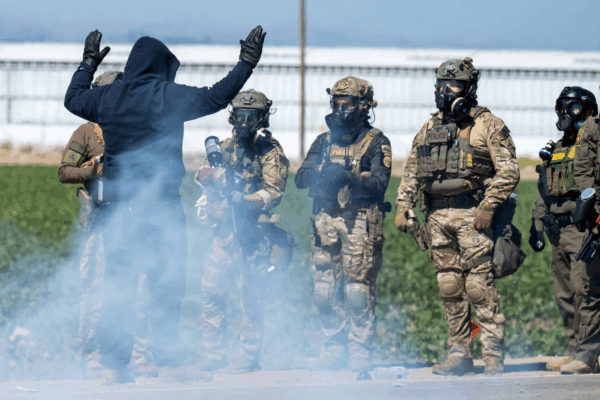
As immigration raids sweep across Los Angeles under orders from former President Donald Trump, a network of volunteer-led resistance groups is rising up to protect undocumented communities from what they call “warfare in the streets.” At 5:30 a.m. in South Central LA, a group of volunteers from Union del Barrio gather in a laundromat parking lot. Armed not with weapons, but with walkie-talkies, megaphones, and leaflets, their mission is to patrol immigrant-dense neighborhoods and warn residents about imminent Immigration and Customs Enforcement (ICE) raids. “This is like Vietnam,” says Ron, a high school history teacher and activist. “We’re taking losses, but in the end we’re going to win. It’s a war.” The group is led by Francisco “Chavo” Romero, who each morning rallies volunteers before dispatching them into the field. On this particular morning, the streets seem calm, but elsewhere in Los Angeles, ICE agents are already conducting dawn raids. ICE Arrests Surge, Communities in Fear Since the beginning of June, more than 2,800 undocumented immigrants have been arrested in Los Angeles alone, according to the Department of Homeland Security—a dramatic spike from the 850 arrests recorded in May. The raids have prompted chaos, street protests, and rising fear in immigrant communities. Videos of ICE agents tackling individuals at car washes, construction sites, and outside homes have gone viral, fueling public outrage. In Pomona, a Latino neighborhood east of LA, Maria recounts how her husband Javier, who has lived in the U.S. for nearly 40 years, was arrested at work by masked ICE agents. “I know they’re doing their job,” Maria says tearfully, “but they don’t have to do it like that—pushing people down like they’re animals.” Javier is now being held in a detention center two hours away. Their grandchildren, especially the eldest, are asking when “papa” is coming home. “I don’t know what to tell him,” Maria says. “He’s not a criminal.” Volunteers Counter ICE Tactics Union del Barrio’s resistance effort includes identifying suspicious vehicles—like white SUVs with tinted windows—suspected of being used by ICE for surveillance. Volunteers distribute flyers with legal advice and encourage people not to open their doors without a warrant. “People are scared,” says Ron, pointing at a fruit vendor who he says is the typical ICE target: vulnerable and easy to detain. Businesses Suffer, Owners Plan to Hide Workers The fear extends to the business community. Soledad, who runs a Mexican restaurant in Hollywood, says half of her undocumented staff are too afraid to show up for work. “I’ve told them: get inside the fridge, hide behind the stove—just don’t run.” Soledad works double shifts to keep her restaurant afloat amid plummeting sales and no way to cover wages. “Sometimes I cry,” she admits. “We’re desperate.” Trump’s Crackdown Fuels Tensions The White House defends the raids as targeting criminals, but activists argue the reality is far more indiscriminate. ICE agents have reportedly faced resistance—including being shot at—making their operations more perilous. Still, Trump has instructed ICE to intensify the crackdown further. Tensions have only escalated with the deployment of National Guard troops, prompting new waves of protests and confrontations on the streets. As deportation numbers climb, so too does the resolve of resistance groups like Union del Barrio. “We’re not backing down,” says Chavo. “We’re organized, we’re ready, and we’re fighting for our communities.”

Read More
U.S. Pressures West African Nations to Accept Deported Migrants Amid Trump Talks

U.S. Pressures West African Nations to Accept Deported Migrants Amid Trump Talks

As President Donald Trump hosted leaders from five West African nations at the White House, his administration was simultaneously pushing for those countries to accept more deported migrants from the United States, according to an internal U.S. government document. The proposal, aimed at nations that have historically resisted or delayed the repatriation of their nationals, was sent around the time of the high-level talks in Washington. Current and former U.S. officials confirmed that the initiative is part of a broader effort by the Trump administration to accelerate deportations and tighten immigration enforcement. The countries involved in the discussions reportedly included Nigeria, Niger, Burkina Faso, Ivory Coast, and Ghana — all of whom had bilateral meetings with Trump focused on security cooperation and trade. The push underscores the administration’s growing frustration with foreign governments that are seen as non-cooperative in taking back deported nationals. In recent years, the U.S. has threatened visa sanctions and other penalties to force compliance. While the outcome of the specific proposal remains unclear, it reflects the Trump administration’s use of diplomatic leverage to achieve immigration objectives — a strategy that continues to shape U.S. foreign policy engagement with developing nations, especially in Africa.

Read More

IAEA Inspectors Leave Iran Following US-Israel-Iran Conflict Marking Start of Nuclear Ambiguity

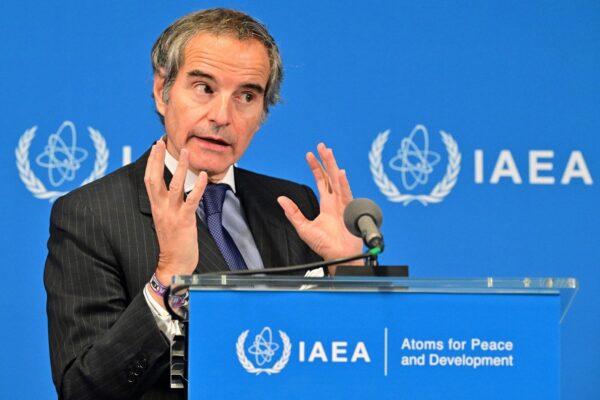
Tehran, Iran – July 5, 2025 — A team of inspectors from the International Atomic Energy Agency (IAEA) has departed Iran, following Tehran’s decision to suspend cooperation with the UN nuclear watchdog in the wake of the 12-day military conflict involving Israel, the United States, and Iran. In a statement on Friday, the IAEA confirmed that some of its staff had returned to its headquarters in Vienna, Austria, with Director-General Rafael Grossi urging the swift resumption of monitoring and verification operations inside Iran. While the IAEA did not disclose how many inspectors left or whether any remain in the country, Al Jazeera’s Resul Serdar, reporting from Tehran, said that the officials departed via land through Armenia, signaling the beginning of what observers are calling a new era of “nuclear ambiguity” in Iran. Iran Cuts Ties With IAEA After Airstrikes The inspectors had remained in Iran throughout the fighting, which began on June 13 when Israel launched airstrikes on Iranian military facilities, killing senior military officials, scientists, and civilians. The United States later joined the assault, dropping bunker-buster bombs on suspected nuclear sites — a move the Trump administration claimed set back Iran’s nuclear programme significantly. Following these events, Iran formally suspended cooperation with the IAEA, citing a deep erosion of trust and accusing the agency of bias. On Wednesday, Iranian President Masoud Pezeshkian ordered an end to ties with the IAEA, a decision backed by the Iranian Parliament and the Guardian Council. Guardian Council spokesperson Hadi Tahan Nazif defended the move as protecting Iran’s national sovereignty, adding that cooperation would only resume when there is “guaranteed security for nuclear facilities and scientists.” Diplomatic Fallout and Global Reaction The decision comes shortly after the IAEA passed a resolution on June 12 — just one day before the conflict began — accusing Iran of failing to meet its nuclear obligations under the Non-Proliferation Treaty (NPT). Iran criticized the timing of the resolution and condemned the IAEA for its silence on the subsequent US and Israeli airstrikes. Iran’s Foreign Minister Abbas Araghchi dismissed Grossi’s request to inspect bombed nuclear sites, saying the demand was “meaningless and possibly malign in intent.” Meanwhile, Washington reacted sharply. US State Department spokesperson Tammy Bruce described Iran’s move as “unacceptable” and urged Tehran to “reverse course and choose a path of peace and prosperity.” She reiterated the Biden administration’s stance: “Iran cannot and will not have a nuclear weapon.” Iran has consistently denied any intention to build nuclear arms, insisting that its programme is strictly for civilian energy purposes. To date, neither US intelligence nor the IAEA has provided definitive proof that Tehran is developing nuclear weapons. What Happens Next? The withdrawal of IAEA inspectors raises critical concerns over nuclear transparency in the region. Experts warn that the lack of independent verification could escalate tensions further and undermine any remaining diplomatic channels. While Iran maintains that its nuclear work remains peaceful, its rejection of inspections and the secrecy now surrounding its facilities may fuel international suspicion and increase the risk of miscalculation in an already volatile Middle East. As of now, there is no indication of when — or if — Iran will restore its cooperation with the IAEA.

Read More

Trump’s Big, Beautiful Bill Passes Senate by Razor-Thin Margin, Heads to House Amid Healthcare and Debt Concerns

In a dramatic late-night session, the U.S. Senate has narrowly passed what President Donald Trump has dubbed the “Big, Beautiful Bill” — a sweeping tax and spending reform package that has stirred intense political debate. The legislation now moves to the House of Representatives, where a heated showdown is expected. The bill scraped through the Senate in a 50-50 tie, broken by Vice President JD Vance’s deciding vote after more than 27 hours of intense floor debate and behind-the-scenes negotiations. At least three Republican senators — Rand Paul, Susan Collins, and Tom Tillis — initially voiced opposition, citing concerns ranging from ballooning national debt to drastic cuts in healthcare coverage. In the end, only Collins held her ground, while Murkowski and others yielded under growing pressure from party leadership. Paolo von Schirach, president of the Global Policy Institute, told Al Jazeera that Trump’s firm grip on the Republican Party played a major role in securing the bill’s passage. “He essentially threatens anybody who votes against anything he wants with a primary challenge,” von Schirach said. “That’s how he keeps people in line.” The bill’s passage has drawn fierce criticism from progressive Democrats. Representative Pramila Jayapal, chair of the House Progressive Caucus, condemned the legislation in a post on social media: “A victory lap for ripping health care away from 17 million poor Americans. There are no words.” Senator Rand Paul, a vocal critic, warned that the bill could add up to \$3 trillion to the national debt over the next decade. Meanwhile, Senator Tillis raised concerns about millions of Americans potentially losing access to various forms of health coverage. Despite the opposition, Republican leaders celebrated the bill as a legislative win for the Trump administration and a key piece of the president’s economic agenda. With the House vote expected soon, the political stakes remain high as both parties prepare for what could be one of the most consequential legislative battles ahead of the 2026 midterms.

Read More

NATO Commits to 5% Defence Spending Target Backed by Trump Amid Internal Division

NATO member states have agreed to a significant increase in defence spending, pledging to allocate up to 5 percent of their national GDP to military and security-related sectors by 2035 — a major shift largely aligned with the long-standing demands of former U.S. President Donald Trump. The agreement, reached at a summit in The Hague on Wednesday, was described in the summit communique as a “quantum leap” in the bloc’s collective security strategy. The document outlined that member countries would annually invest 5 percent of GDP on core defence requirements and broader security-related expenditures, with a review scheduled for 2029 — notably, after the next U.S. presidential election. NATO Secretary General Mark Rutte called the development “transformational,” although some alliance members expressed concerns about their ability to meet the target. Spain, Belgium, and Slovakia were among those that acknowledged the ambitious goal may be difficult to achieve due to economic constraints. Former President Trump, who had previously criticized NATO members for not meeting existing defence commitments, welcomed the decision. Speaking at the summit, he said, “They said, ‘You did it, sir. You did it.’ Well, I don’t know if I did it, but I think I did.” The renewed commitment is seen by analysts as an effort to shore up the alliance’s deterrence against Russia and prepare for the possibility of reduced U.S. military engagement depending on the outcome of the 2024 presidential election. UK Prime Minister Keir Starmer also signaled strong support, announcing that the United Kingdom expects to reach 4.1 percent defence and security spending by 2027. While the pledge underscores NATO’s unity in principle, the stark differences in economic capabilities among member states suggest that meeting the 5 percent benchmark will likely become a key issue of debate in the coming years.

Read More

Khamenei: US Will Suffer Irreparable Harm if It Enters Conflict Militarily

In a series of strongly worded remarks posted on the official X account of Iran’s Supreme Leader, Ayatollah Ali Khamenei, the Zionist regime’s recent attack on Iranian territory was condemned as a malicious act, allegedly carried out with increasing suspicion of US involvement. “The Zionist regime’s malicious attack on our country took place at a time when Iranian officials were indirectly engaged in negotiations with the US. There was no indication on the part of Iran that signaled a military move,” one post read. Khamenei’s office warned that any direct military involvement by the United States in the unfolding crisis would lead to consequences beyond repair: “The harm the US will suffer will definitely be irreparable if they enter this conflict militarily.” The posts also implied growing certainty about Washington’s role in the offensive, suggesting that: “It was already suspected that the US was involved in the malicious move carried out by the Zionist regime, but considering their recent remarks, this suspicion is growing stronger day by day.” The rhetoric underscores escalating regional tensions and comes amid stalled backchannel diplomacy between Tehran and Washington.

Read More
Trump administration officials accidentally text a reporter Yemen ‘war plans’

Trump administration officials accidentally text a reporter Yemen ‘war plans’

The White House has confirmed a report by The Atlantic’s editor-in-chief Jeffrey Goldberg, who says senior Trump administration officials accidentally included him in a Signal chat group in which they discussed plans to conduct strikes in Yemen Goldberg was included in a group chat in which US Defense Secretary Pete Hegseth and other top officials discussed upcoming strikes against Yemen’s Houthis. Trump announced strikes on March 15, but in a shocking security breach, Goldberg wrote that he had hours of advance notice via the group chat. “The message thread that was reported appears to be authentic, and we are reviewing how an inadvertent number was added to the chain,” National Security Council spokesman Brian Hughes told reporters. The security breach provoked outrage among Democratic lawmakers, including Senator Chris Coons, who wrote on X that “every single one of the government officials on this text chain have now committed a crime.” Signal, an open-source, encrypted messaging application, is not approved by the US government for sharing sensitive information.

Read More