Crunch Time in Alaska: Trump and Putin Meet in Bid for Ukraine

Crunch Time in Alaska: Trump and Putin Meet in Bid for Ukraine Peace

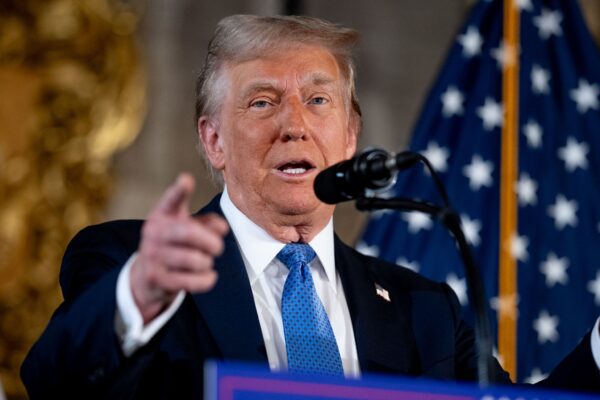
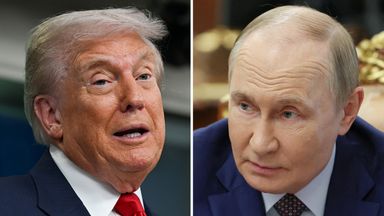
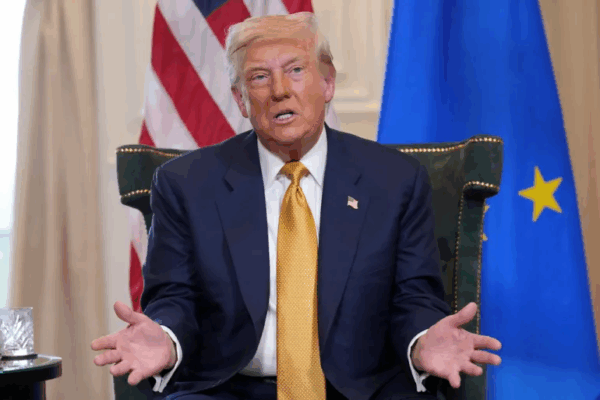
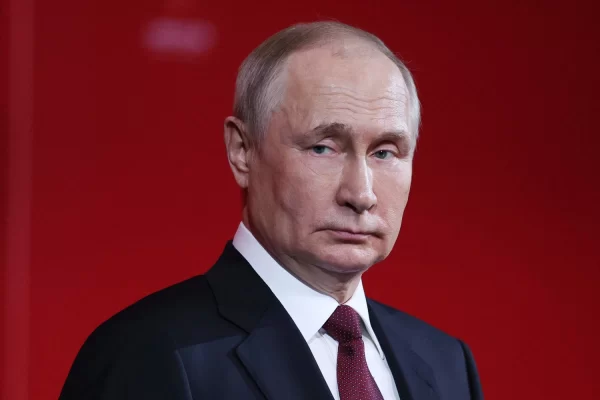
US and Russian officials are gathering in Alaska ahead of a pivotal Friday meeting between Presidents Donald Trump and Vladimir Putin — their first in six years. Trump hopes the talks will deliver on his campaign promise to end Russia’s war in Ukraine, leveraging what he describes as a personal rapport with Putin to secure a ceasefire. Despite his optimism, Trump has estimated only a “25% chance” of success. Ukraine’s President Volodymyr Zelensky has been excluded from the talks, warning that any deal struck without Kyiv’s participation will be meaningless. Anchorage remains largely business-as-usual, aside from the influx of international media. The meeting will take place on a US military base, reflecting both heightened security and the brief nature of the talks, expected to last just a few hours. The summit comes a week after Trump’s deadline for Russia to agree to a ceasefire or face new sanctions. That countdown was effectively paused after the meeting was announced, buying both sides more time. Washington’s tone over the week has swung between optimism, caution, and threats of “very severe consequences” if Putin refuses to end the war. Kyiv grew uneasy when Trump floated the idea of “territory swaps,” while the White House hinted the president might adopt a “listening” approach. Russia has remained publicly silent, reiterating only that peace is possible if it gains full control of Donetsk, Luhansk, Kherson, and Zaporizhzhia, and if Ukraine pledges not to join NATO. For Trump, success in Alaska could reinforce his image as a global dealmaker and deliver on his promise to disengage the US from costly foreign conflicts. He claims he will know “in the first two minutes” whether a deal is possible. European leaders, also excluded from the talks, emerged cautiously hopeful after a last-minute call with Trump. Zelensky, however, has been firm: Ukraine will not cede the Donbas, calling such concessions a “pathway to further conflict.” Trump has promised to brief Zelensky after the summit and floated the idea of a quick three-way meeting. The Kremlin, however, insists a direct Putin–Zelensky encounter is premature. Analysts warn Putin’s central goal remains Ukraine’s “geopolitical neutralisation” — an objective he is unlikely to abandon. As both leaders head into the Alaska talks, the venue may offer common ground geographically, but politically, the divide appears as wide as ever.
Read More

Ukraine War Update: Zelenskyy Meets Starmer; Kremlin Confirms Trump-Putin Summit Plans

Ukrainian President Volodymyr Zelenskyy visited UK Prime Minister Keir Starmer at Downing Street on August 14, highlighting Britain’s continued support for Ukraine ahead of the upcoming U.S.–Russia summit in Alaska. Starmer reaffirmed the UK’s commitment to Ukraine’s territorial integrity and warned that further pressure could be applied to Russia if necessary. The meeting comes at a critical moment, as the Kremlin confirmed that Presidents Donald Trump and Vladimir Putin will hold a one-on-one meeting this Friday at Joint Base Elmendorf-Richardson in Anchorage, Alaska. Following the private discussion, their delegations will join for broader talks, concluding with a joint press conference. This will be the first in-person meeting between Trump and Putin since 2019. It has raised concerns among European leaders, who fear Ukraine’s interests could be sidelined during negotiations. Many have stressed that any resolution to the conflict must not undermine Ukraine’s sovereignty. Trump has described the summit as a “listening exercise,” with the aim of exploring possible ceasefire arrangements. He has also indicated that economic measures could be considered if diplomatic progress stalls, while Putin has framed the talks as an opportunity to address security concerns and “reset” strained relations.

Read More

Trump Gives Russia 10–12 Days to End Ukraine War: “No Reason in Waiting”

Turnberry, Scotland — July 28, 2025U.S. President Donald Trump has issued a sharp new ultimatum to Russian President Vladimir Putin, demanding an end to the ongoing war in Ukraine within 10 to 12 days — significantly reducing the 50-day deadline he initially set earlier this month. Speaking during a press conference alongside UK Prime Minister Keir Starmer, Trump expressed frustration with Russia’s continued military offensive in Ukraine and signaled growing impatience with the lack of progress toward a ceasefire. “I’m going to make a new deadline of about … 10 or 12 days from today,” Trump said. “There’s no reason in waiting. We just don’t see any progress being made.” The Kremlin has yet to issue a formal response. Trump’s warning comes as Moscow intensifies airstrikes across Ukraine, despite several diplomatic overtures from the U.S. and its European allies. A recent ceasefire deal remains in limbo, with Russian forces reportedly escalating attacks in key areas including Kyiv and eastern border regions. The U.S. president, who returned to office this year with a promise to end the conflict within 24 hours, continues to present himself as a peacemaker, but has faced criticism for his mixed signals. Though he has repeatedly threatened sanctions and tariffs on Russia and countries buying Russian exports, his administration has been cautious in implementing such measures. “I don’t want to do that to Russia. I love the Russian people,” Trump said Monday.“But if you know what the answer is going to be, why wait?” Trump also expressed disappointment with Ukrainian President Volodymyr Zelenskyy, whom he accused of stalling peace efforts. He referenced past conversations with Putin, saying: “We thought we had that settled numerous times, and then President Putin goes out and starts launching rockets into some city like Kyiv and kills a lot of people in a nursing home or whatever. And I say that’s not the way to do it.” With tensions rising and the international community watching closely, the next 10 days could prove critical for diplomatic relations — and for Ukraine’s war-ravaged future.

Read More
Russia to Import 1 Million Indian Workers to Fill Labor Gaps Amid Ukraine War Strains

Russia to Import 1 Million Indian Workers to Fill Labor Gaps Amid Ukraine War Strains

Russia plans to bring in up to one million Indian workers by the end of 2025 to combat severe labor shortages in its industrial sectors, especially in the Sverdlovsk region, officials say. Andrey Besedin, head of the Ural Chamber of Commerce and Industry (UCPP), disclosed the initiative during a recent event, noting that the move comes amid mounting workforce gaps caused by military mobilization and declining interest in factory jobs among Russian youth. The labor plan, reportedly developed in coordination with Indian counterparts, will be facilitated by the opening of a new Indian consulate in Yekaterinburg. The recruited workforce will include both general laborers and highly skilled specialists. Besedin added that Russia is also in talks with Sri Lanka and North Korea for similar labor supply agreements, as the country scrambles to maintain productivity in key sectors while facing international sanctions and wartime disruptions. He acknowledged that while the influx could help stabilize industries, integrating the foreign workers would present cultural and operational challenges. “We must prepare for a complex adaptation process,” he said, citing differences in work ethics and practices. The mass recruitment drive highlights the growing internal strain on Russia’s economy amid its prolonged war in Ukraine, which has pulled tens of thousands of working-age men into military service and reduced the available industrial workforce.

Read More

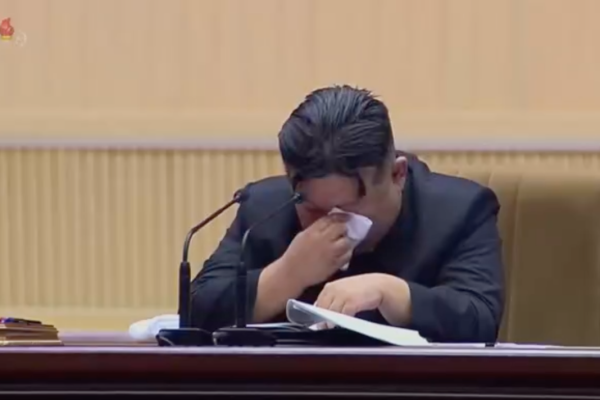
Kim Jong-un Weeps Over Coffins of North Korean Troops Killed in Ukraine as He Plans to Send Thousands More

North Korean leader Kim Jong-un was seen in tears during a ceremony honouring North Korean troops who died fighting alongside Russian forces in Ukraine — even as reports suggest he is preparing to deploy thousands more to the war front. In a solemn state event, Kim draped national flags over at least six coffins while an orchestra played mournful music and singers performed emotional ballads. Broadcast images showed the dictator visibly moved as he watched footage of himself honouring the fallen soldiers, who were reportedly among the 12,000 North Koreans sent to aid Russia’s war efforts. The troops, many poorly equipped and undertrained, suffered heavy losses in Ukraine, particularly in the contested Kursk region. Despite the staggering casualties, North Korea is expected to send an additional 6,000 troops to the front lines later this summer. The event, held in a vast Pyongyang auditorium, was attended by Russian and North Korean military personnel and dignitaries, including Russian Culture Minister Olga Lyubimova. It also marked the first anniversary of a strategic partnership treaty signed last year by Kim and Russian President Vladimir Putin, which includes a mutual defense clause. The Korea Central News Agency praised the memorial as a celebration of “internationalist obligation” and a reaffirmation of the “blood-forged” alliance between the two nations. However, the growing military collaboration has drawn strong criticism from the international community. South Korea and Japan have both condemned the deployment of North Korean troops as a violation of United Nations sanctions and a dangerous escalation in the conflict.

Read More

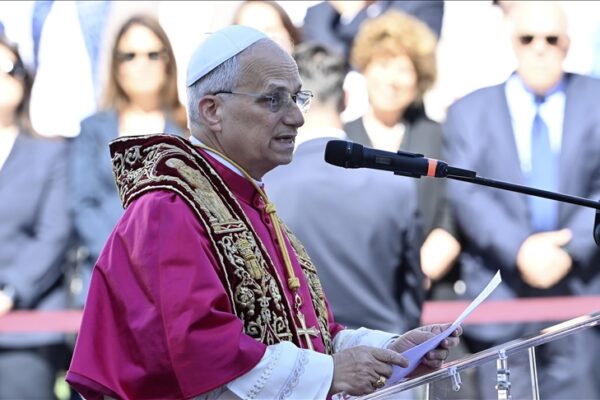
Pope Urges Russia to Embrace Peace in Phone Call with Patriarch Kirill

In a significant diplomatic gesture, Pope Leo held a phone conversation with Russian Orthodox Patriarch Kirill, during which he appealed for a meaningful gesture from Russia to help advance peace in Ukraine. The call, which addressed various mutual concerns, focused especially on the ongoing conflict and the importance of dialogue in resolving it. The Pope emphasized the critical role of open communication between all parties involved in the war, urging that dialogue must remain a cornerstone of peace efforts. He highlighted the deteriorating humanitarian conditions in affected areas and stressed the urgency of delivering aid to those most in need. He also acknowledged the ongoing efforts to facilitate prisoner exchanges, commending the mediation role played by Cardinal Matteo Zuppi. During the conversation, Pope Leo expressed appreciation for the well-wishes he received from Patriarch Kirill at the beginning of his pontificate. He reiterated that shared Christian values—such as the defense of life, promotion of peace, and pursuit of genuine religious freedom—can serve as moral beacons during times of global crisis. The Vatican sees the dialogue as part of its broader peace mission, underscoring the Holy See’s commitment to humanitarian diplomacy. As the war in Ukraine grinds on with no clear end in sight, Pope Leo’s latest outreach represents a continued effort by the Catholic Church to act as a bridge-builder in one of the most divisive global conflicts of the 21st century.

Read More
Trump Says Some Undocumented Immigrants May Stay Based on Employer Recommendations

Trump: 2026 World Cup Could End Russia War

Donald Trump has suggested playing at the 2026 World Cup could be an “incentive” for Russia to end its war with Ukraine. Ever since Russia invaded Ukraine in 2022, the national football team has been banned from competing at international competitions by Fifa and Uefa. With the conflict in Ukraine still raging – despite Trump’s claims he would end the war on “day one” of being in office – Russia will not be playing at the 2026 World Cup, co-hosted by the US, Canada and Mexico. On Tuesday, the first meeting of the Trump administration’s 2026 World Cup taskforce took place, with Trump speaking to reporters alongside Fifa president Gianni Infantino. The US president was unaware that Russia were banned from the tournament, telling a reporter who asked for his position on the Russia ban: “I didn’t know that, is that right?” “That is right,” said Infantino. “They are banned for the time being from playing but we hope that something happens and peace will happen so that Russia can be readmitted.” Trump then added: “That’s possible. Hey, that could be a good incentive, right? “We want to get them to stop. We want them to stop. Five thousand young people a week are being killed – it’s not even believable.” This isn’t the first time Trump has made questionable statements about the World Cup. Earlier this year, he claimed the political tensions between the US and their co-hosts Mexico and Canada could make the tournament ‘more exciting.’

Read More
Russia Rejects Ukraine’s Call for 30-Day Truce Calls It Manipulation

Russia Rejects Ukraine’s Call for 30-Day Truce Calls It Manipulation

Russia has rejected Ukraine’s call to extend a brief three-day ceasefire into a longer 30-day truce, deepening tensions as international pressure mounts for a negotiated end to the war. Kremlin spokesperson Dmitry Peskov confirmed on Tuesday that Moscow had received Ukrainian President Volodymyr Zelenskyy’s proposal but said a long-term ceasefire would be “difficult” without resolving several outstanding issues. The brief ceasefire, announced by President Vladimir Putin from May 8 to 10, was timed to coincide with Russia’s Victory Day celebrations. Zelenskyy dismissed the move as a “manipulation” and questioned Moscow’s refusal to agree to a broader, more meaningful cessation of hostilities. He urged that any ceasefire should begin immediately and last at least 30 days to allow for meaningful de-escalation. In response, Peskov accused Zelenskyy of politicizing the situation, claiming that Ukraine’s lack of direct engagement with the proposed three-day pause showed bad faith. He characterized the Russian proposal as a “gesture of goodwill” and said Kyiv’s reaction was itself an act of manipulation. Meanwhile, U.S. President Donald Trump has grown increasingly frustrated with the lack of progress, telling Putin over the weekend to “stop shooting” and finalize a deal. Washington previously pushed for a 30-day ceasefire, which Russia rejected unless Ukraine agreed not to regroup or receive weapons during the pause—conditions Kyiv refused. Zelenskyy reaffirmed Ukraine’s support for an unconditional, full ceasefire, stressing the need for security and enforcement mechanisms.

Read More