Tunde Bakare Claims Trump’s Nigeria Agenda Is Fuelled by Oil, Minerals and Geopolitical Power

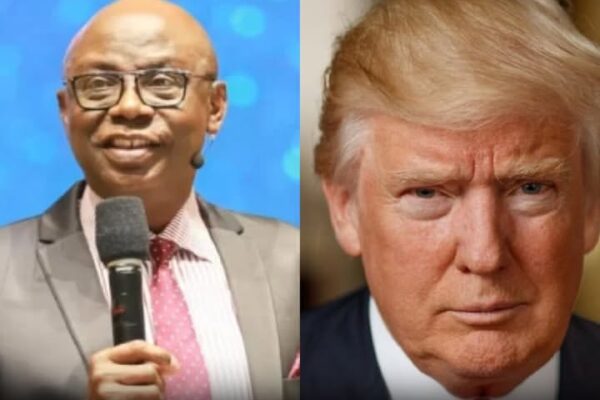
Pastor Tunde Bakare has suggested that the Trump administration’s heightened focus on Nigeria is rooted in America’s pursuit of key resources and strategic advantages in emerging global technologies. Delivering his State of the Nation Address in Lagos, the Citadel Global Community Church overseer said Nigeria’s oil reserves, mineral wealth and relevance in future tech supply chains make the country an inevitable point of interest for President Donald Trump’s style of governance. He linked the development to the US government’s decision to relist Nigeria as a Country of Particular Concern over religious freedom and Trump’s recent remarks on the rising violence across Middle Belt communities. Bakare explained that he anticipated this shift long before it happened, recalling that after Trump’s 2024 victory he received what he described as a symbolic revelation pointing toward a renewed American push in Nigeria driven by geopolitical calculations. According to him, “Nigeria’s oil wealth and other mineral resources will be critical to the Trump presidency, as will our role in the value chain of emerging technologies.” He warned that foreign pressure on Nigeria’s delicate religious landscape could heighten tensions if the government responds emotionally rather than strategically. He urged the authorities to prioritise economic diplomacy and clear policy direction, saying Trump’s approach to power often turns threats into negotiation opportunities. Addressing the wider security crisis, Bakare said the unending assaults in the Middle Belt, North-West and South-East reveal the depth of Nigeria’s internal fractures, leaving many communities feeling unprotected and ignored. He criticised lawmakers and foreign affairs officials for reacting slowly and placing political interests above national stability. Bakare outlined several steps he believes are necessary to restore order, including stronger military engagement, community-driven policing under federal oversight, deployment of veterans and paramilitary personnel, improved surveillance technology and closer security collaboration with the United States. He also called for a victims’ register and a nationwide reconciliation effort led by President Bola Tinubu.

Read More

Russia Tells U.S. To Back Off Nigeria Amid Reports Of Planned Military Strikes

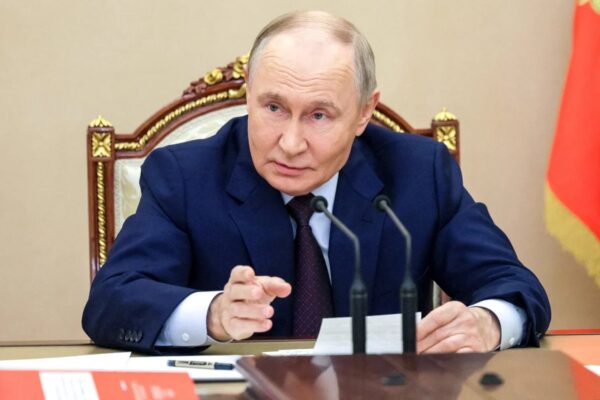
Russia has cautioned the United States to stay clear of Nigeria following reports that Washington is preparing for possible military intervention in the West African nation. During a press briefing in Moscow on Friday, Russian Foreign Ministry spokesperson Maria Zakharova said Moscow is “closely monitoring developments” and called on “all parties involved to strictly comply with international legal norms.” Reports earlier in the week indicated that U.S. defense officials had drawn up plans for air and ground strikes in Nigeria under President Donald Trump’s directive. The reported plan, according to American officials, is aimed at protecting Christians allegedly under attack by Islamic militants. President Trump recently redesignated Nigeria as a “country of particular concern,” alleging that Christians in the country are victims of persecution. He warned that the U.S. would enter Nigeria “guns-a-blazing” if the government “continued to ignore the attacks.” However, President Bola Tinubu and the Economic Community of West African States (ECOWAS) have rejected the genocide claims, insisting that Nigeria’s conflict is driven by terrorism and banditry rather than religion. The presidency stated that while it welcomes international support to combat insecurity, it would not tolerate actions that threaten Nigeria’s sovereignty. Reaffirming Russia’s position, Zakharova said her government is watching the issue closely and expects “all nations to respect international law.” In a related interview with Russian national television, Daniel Bwala, Special Adviser to President Tinubu on Policy Communication, said Nigeria “does not need American boots on its soil.” He acknowledged that the country faces security challenges but emphasized that the government has made “massive progress” in addressing them.

Read More

Sheikh Ahmad Gumi Says U.S. Airstrikes in Nigeria Would Escalate Violence and Kill Civilians

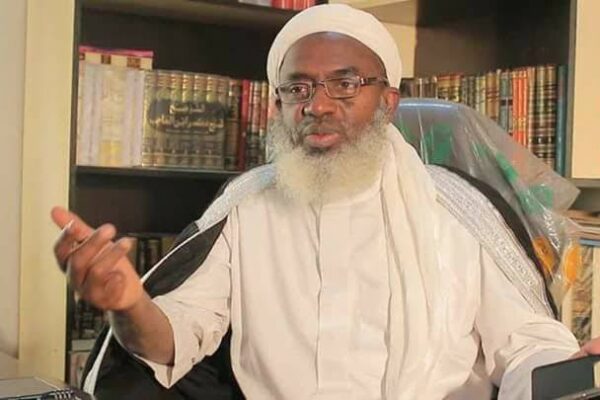
Islamic cleric Sheikh Ahmad Abubakar Gumi has strongly warned against any potential U.S. military intervention in Nigeria, describing the United States as a “nation of liars” and arguing that airstrikes would worsen the country’s security situation. Speaking in an interview on Arise TV, Gumi criticised America’s history of foreign interventions, citing the wars in Afghanistan, Iraq, and Libya as examples of failed efforts that caused more harm than good. “America are known to be liars,” he said. “They claimed Saddam Hussein had weapons of mass destruction, and there were none. They caused chaos in Iraq, Libya, and elsewhere. So when they say they want to help Nigeria by bombing terrorists, I don’t believe them.” The cleric also questioned reports of massacres targeting Christians, noting the ambiguity of who is responsible. “From which side? They didn’t specify whether it’s the government, Muslims, or even if Christians are actually being targeted. If Americans could truly eliminate the terrorists, I would welcome it myself,” he said. Gumi suggested that nations like China or Russia would be seen as more credible allies because they typically do not interfere in the internal affairs of other countries. “If it’s China or Russia offering help, people would trust them,” he added. He warned that U.S.-led airstrikes could cause significant civilian casualties and further destabilise Nigeria. “They fought 20 years in Afghanistan and couldn’t finish them. These terrorists are embedded in society. Bombing would only increase deaths — Muslims and Christians alike,” Gumi said. Highlighting the limitations of the Nigerian military, he noted that even after years of engagement, the army has struggled to defeat Boko Haram and armed bandits. “If the Nigerian army, with all its experience, cannot end Boko Haram or tackle the bandits, foreign intervention will only make matters worse,” he said. Gumi, who has personally engaged with armed groups in northern Nigeria, defended his approach of dialogue and negotiation. He said understanding militants’ grievances and reasoning with them is more effective than force. “You cannot treat a disease without a diagnosis. By talking to them and understanding their mindset, we can contain the problem. Kaduna is relatively safe now because of this approach,” he explained. Although many armed groups still possess weapons, Gumi said they are largely inactive. He described the process as “gradual but effective,” aiming to rehabilitate militants into law-abiding citizens. “Slowly, we will civilize them, take away their weapons, and make them good citizens. Using force will only worsen the situation,” he said. The cleric concluded by reiterating that any U.S. military action in northern Nigeria would escalate tensions and result in unnecessary deaths. “Bombing will not solve this problem. It will only make it worse,” he warned.

Read More
Over 70% of Nigerian Shipments to U.S. Rejected or Delayed Amid New Tariff Policy

Over 70% of Nigerian Shipments to U.S. Rejected or Delayed Amid New Tariff Policy

Since the enforcement of former U.S. President Donald Trump’s new tariff policy—particularly targeting imports from Africa—over 70% of shipments sent from Nigeria to the United States via air cargo have been either refused entry or placed on indefinite hold. Ini Daniel, Chief Commercial Officer at AAJ Express Logistics Limited, disclosed this on Tuesday, highlighting the severe disruption the policy has caused. He noted that the delays have created major setbacks for Nigerian exporters and importers operating in the U.S. market. “Nigerian exporters are facing unprecedented challenges following the full implementation of Trump’s tariff regulations on April 2, 2025,” Daniel said. “Cargo and courier companies are struggling with clearance, creating a crisis for exporters trying to meet demands in the U.S.” The aviation sector has also been hit hard, with airlines reportedly offering steep discounts or even free returns due to the growing backlog of undelivered goods. Exporters, meanwhile, remain in the dark as U.S. customs officials have yet to provide clear reasons for the shipment rejections. Daniel emphasized that Nigeria is not alone in this dilemma—exporters from China, Europe, and other African nations are also being impacted. In light of the uncertainty, he advised Nigerian exporters to temporarily halt shipments to the U.S. until customs authorities issue clearer guidelines. Exporters now anxiously await clarification and a resolution that could restore smooth trade with the U.S. market.

Read More