BREAKING: US Executes Strike On Venezuela, Captures President Maduro And Wife

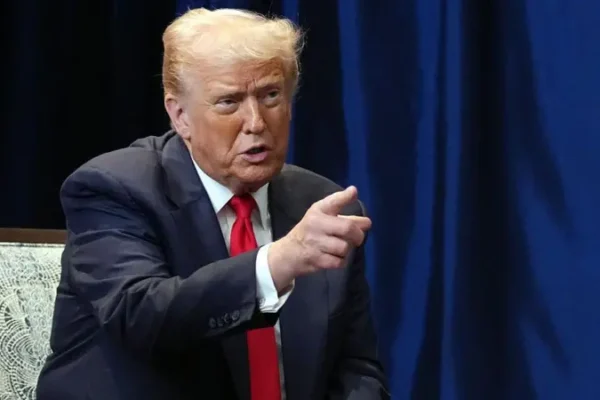
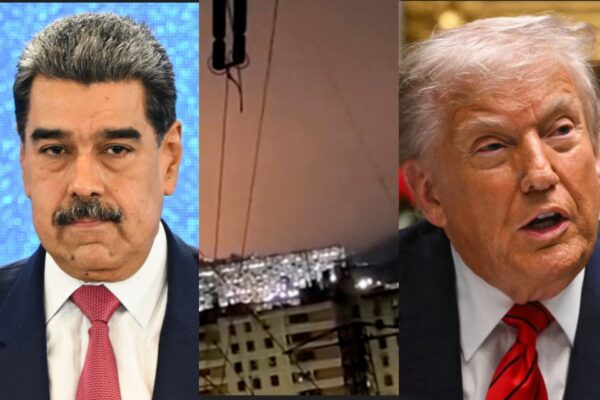
President Donald Trump announced early Saturday that the United States carried out a major strike against Venezuela, resulting in the capture and removal of President Nicolás Maduro and his wife. On Truth Social, Trump wrote, “The United States of America has successfully carried out a large-scale strike against Venezuela and its leader, President Nicolás Maduro, who has been, along with his wife, captured and flown out of the country.” CNN reporters in Caracas observed multiple explosions and heard aircraft flying overhead in the early hours of Saturday. Several areas of the city experienced power outages following the blasts, with the first explosion recorded around 1:50 a.m. local time (12:50 a.m. ET). In recent weeks, Trump had repeatedly warned that the US was preparing action against alleged Venezuelan drug trafficking networks, stating that strikes on land would commence “soon.” His campaign against Maduro has already targeted over 30 vessels in the Caribbean Sea and eastern Pacific Ocean as part of a counter-narcotics operation. Last month, Trump also imposed a blockade on sanctioned oil tankers entering and leaving Venezuela. Earlier, in December, the CIA reportedly carried out a drone strike on a coastal port facility in Venezuela, marking the first known US attack inside the country, CNN reported, citing sources.
Read More

Trump Vows US Action If Iran Harms Protesters

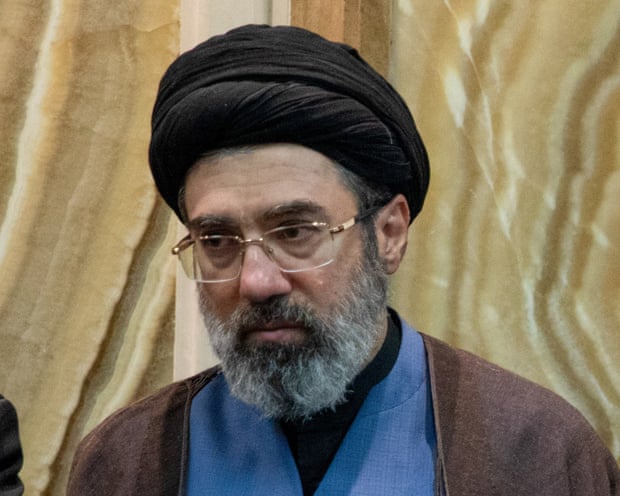
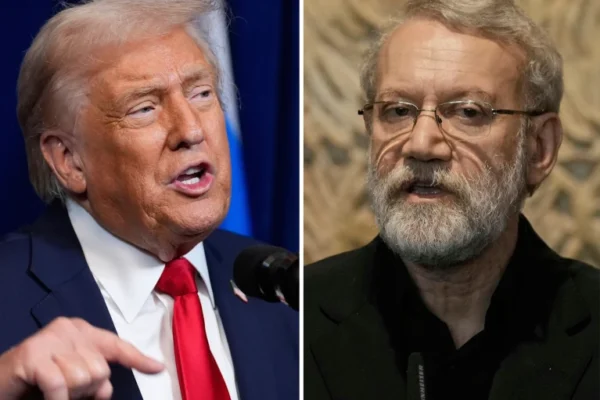
US President Donald Trump has warned Iran not to harm peaceful protesters, saying the United States “will come to their rescue” if they do. In a post on Truth Social on Friday, Trump wrote: “If Iran shots [sic] and violently kills peaceful protesters, which is their custom, the United States of America will come to their rescue. We are locked and loaded and ready to go.” He did not provide specifics on any potential action. The statement drew a quick response from Ali Larijani, a senior adviser to Iran’s Supreme Leader Ayatollah Ali Khamenei. Larijani warned that any US interference would destabilise the Middle East and undermine American interests. The warning comes amid ongoing protests across Iran sparked by worsening economic conditions. At least six people were reported killed on Thursday, according to semi-official media and human rights groups. Hengaw, a Kurdish rights organisation, said two of those killed in Lordegan were protesters, identified as Ahmad Jalil and Sajjad Valamanesh. Fars news agency reported additional deaths in Azna and Kouhdasht, though it did not clarify whether victims were protesters or security personnel. Video footage circulating on social media shows clashes between protesters and security forces, with cars set on fire in several cities including Lordegan, Tehran, and Marvdasht. BBC Persian has verified some of these clips. The protests began in Tehran on Sunday when shopkeepers demonstrated against a sharp drop in the value of the rial against the US dollar. By Tuesday, university students had joined in, and demonstrations spread to multiple cities, with many chanting against Iran’s clerical leadership. Some protesters have called for an end to Supreme Leader Khamenei’s rule, while others expressed support for a return to monarchy. Iranian officials reported a security personnel death on Wednesday in Kouhdasht, though protesters claim the individual was shot by authorities. The demonstrations are the largest since the 2022 nationwide uprising triggered by the death of Mahsa Amini in custody, though they have not reached the same scale. President Masoud Pezeshkian said he is willing to listen to the “legitimate demands” of the protesters, while Prosecutor-General Mohammad Movahedi-Azad warned that any attempt to create instability would be met with a “decisive response.” The situation has heightened tensions internationally, with Trump’s warning and Tehran’s response underscoring the risk of a wider conflict.

Read More

Asari Dokubo Insists US Airstrikes In Sokoto Hit Empty Land, Demands Proof Of Terrorist Casualties

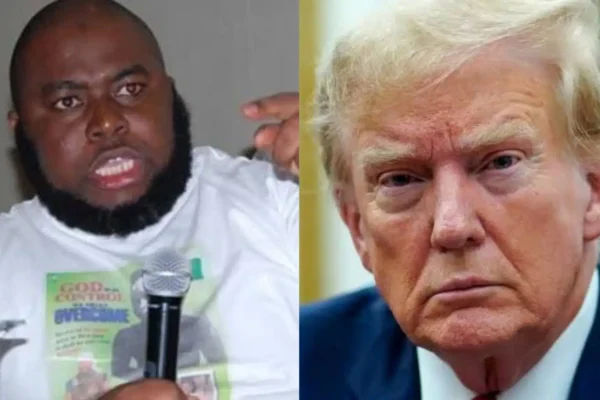
Former Niger Delta militant leader Asari Dokubo has rejected claims that United States airstrikes in Sokoto State killed bandits, describing the operation as ineffective and misleading. Asari said the strikes achieved nothing, insisting the missiles were dropped on vacant land and did not hit any criminal targets. He alleged that the operation involved only drones and questioned the authenticity of the entire exercise. In a video shared on X, he challenged the Nigerian government to provide concrete evidence that at least one terrorist was eliminated during the airstrikes. He also maintained that Nigeria’s status as a sovereign nation makes it impossible for US soldiers to be deployed on its territory. Asari further stated that he is not intimidated by the United States or its president, arguing that the strikes only exposed innocent civilians to danger rather than weakening bandit groups. “The US army strike in Sokoto did not harm any bandits. They only dropped bombs in an open field, endangering the lives of innocent people. Do you think I’m afraid of President Donald Trump?”

Read More

U.S Trump confirms Multiple Airstrikes in North-West Nigeria Targeting Terror Cells

The United States has confirmed carrying out a military airstrike against Islamic State (ISIS) targets in Nigeria, following an order by U.S. President Donald Trump. In a statement released on his social media platform, Truth Social, President Trump said U.S. forces conducted what he described as “powerful and deadly” strikes on ISIS elements operating in northwest Nigeria. According to him, the operation was aimed at degrading the group’s capacity after repeated attacks on civilians in the region. Trump stated that the strike was carried out on Christmas Day and authorised directly by him as Commander-in-Chief. He accused ISIS militants of targeting innocent civilians, particularly Christians, and warned that further violence would attract stronger responses. While confirming the operation, U.S. officials have not released detailed information on the specific locations targeted or casualty figures. The U.S. military also said the action was part of broader efforts to counter terrorist threats and prevent extremist groups from gaining ground in West Africa. Reports indicate that the strike was carried out in coordination with Nigerian authorities, marking a notable escalation in U.S. military involvement against extremist groups operating within Nigeria. Nigerian authorities are yet to issue an official statement detailing the impact of the strike, as investigations and assessments continue.

Read More

Niger Imposes Indefinite Entry Ban On US Citizens Amid Diplomatic Tensions

Niger has imposed an indefinite ban on United States citizens, suspending all visa issuance and barring entry for Americans with immediate effect. The restrictions cover all forms of travel, including diplomatic, business, humanitarian, and tourist visits, heightening diplomatic tensions between Niamey and Washington. Authorities in Niger cited reciprocity and national sovereignty as the reasons for the move, pointing to what they described as recent hostile and punitive actions by the United States. No timeframe has been provided for a potential review or lifting of the ban. The decision comes amid strained relations between Niger and several Western countries following political upheavals in the Sahel nation. These tensions have already resulted in sanctions, aid suspensions, and changes to security and diplomatic partnerships. In recent months, Niger has sought to pivot its foreign policy away from traditional Western allies, strengthening ties with non-Western nations. Experts warn the ban could significantly affect humanitarian organisations, development agencies, and international bodies that rely on US personnel, while also complicating security and diplomatic cooperation in a region facing insurgency and political instability. The United States has not yet issued an official response, though officials are expected to raise concerns through diplomatic channels. Niger, however, insists the ban will remain in effect indefinitely, signalling a more assertive stance in its international relations.

Read More

Trump Recalls US Ambassador to Nigeria Alongside Several Career Diplomats

US President Donald Trump has recalled US Ambassador to Nigeria Richard Mills, along with multiple other career diplomats, from their ambassadorial assignments. According to Politico, the move is aimed at aligning US diplomatic representation with Trump’s “America First” agenda. A State Department official confirmed that the recalled ambassadors, initially appointed during the Biden administration, will conclude their tenures in January. While the diplomats may return to Washington for other roles, their postings as chiefs of mission will end. Africa has been the most affected region, with ambassadors from 13 countries—including Nigeria, Burundi, Cameroon, Côte d’Ivoire, Senegal, and Uganda—among those recalled. Other affected regions include the Asia-Pacific, Europe, the Middle East, South Asia, and the Western Hemisphere. The State Department described the recalls as a routine process in any administration, emphasizing that ambassadors serve at the president’s discretion to advance policy priorities. “An ambassador is a personal representative of the president, and it is the president’s right to ensure that he has individuals in these countries who advance the America First agenda,” the statement said. Officials stressed that the diplomats are not losing their foreign service positions and can continue to serve in other capacities within the department. Nonetheless, the sudden departures are expected to require adjustments in embassy operations and diplomatic initiatives in the affected nations. The recall of the US ambassador to Nigeria comes amid growing attention on US-Africa relations and has prompted concern from some lawmakers and the American Foreign Service Association. For Nigeria, the envoy’s departure marks a significant shift in diplomatic engagement at a time when the country is a key partner in regional security, economic collaboration, and development projects.

Read More

Trump Suspends US Green Card Lottery Following Brown University Shooting

President Donald Trump has suspended the US green card lottery programme following a mass shooting at Brown University last week that left two people dead. The suspect, a Portuguese national found dead on Thursday, had entered the United States through the Diversity Visa (DV1) lottery programme in 2017 and was issued a green card. Homeland Security Secretary Kristi Noem said the visa scheme has been paused under Trump’s directive to “ensure no more Americans are harmed by this disastrous programme.” US authorities also believe the 48-year-old suspect, Claudio Neves Valente, was responsible for the killing of Portuguese MIT professor Nuno Loureiro earlier this week. The diversity visa programme allocates up to 50,000 visas annually through a random selection process for applicants from countries with low immigration rates to the US. Noem noted on social media that Trump had previously “fought to end” the lottery in 2017 after eight people were killed in a truck attack in New York City carried out by Uzbek national Sayfullo Saipov, an Islamic State supporter who had also entered the US through the DV1 programme and is now serving multiple life sentences.

Read More

US Adds Nigeria To Partial Travel Restriction List As Trump Expands Entry Controls

President Donald Trump has approved a new Proclamation expanding US travel restrictions, with citizens of 15 additional countries now subject to partial entry limitations as part of stricter security measures. The decision, taken on Tuesday, is aimed at reinforcing travel screening and national security standards. The countries newly placed under partial restrictions are Angola, Antigua and Barbuda, Benin, Côte d’Ivoire, Dominica, Gabon, The Gambia, Malawi, Mauritania, Nigeria, Senegal, Tanzania, Tonga, Zambia and Zimbabwe. The Proclamation retains full travel restrictions on 12 countries earlier identified as high risk. These are Afghanistan, Burma, Chad, the Republic of the Congo, Equatorial Guinea, Eritrea, Haiti, Iran, Libya, Somalia, Sudan and Yemen. In addition, five more countries have been moved into the full restriction category following updated security assessments. They are Burkina Faso, Mali, Niger, South Sudan and Syria, along with individuals travelling on documents issued by the Palestinian Authority. Laos and Sierra Leone, previously under partial limits, have also been upgraded to full restrictions, while partial measures remain in effect for Burundi, Cuba, Togo and Venezuela. The order removes non-immigrant visa restrictions on Turkmenistan, with US authorities citing improved cooperation with Washington, although immigrant visa limits for its citizens remain unchanged. Exemptions under the Proclamation apply to lawful permanent residents, existing visa holders, certain visa categories including diplomats and athletes, and individuals whose entry is considered to be in the national interest of the United States.

Read More