Trump Urges Immediate End to Gaza War, Rejects Palestinian Statehood Recognition

Trump Urges Immediate End to Gaza War Rejects Palestinian Statehood Recognition

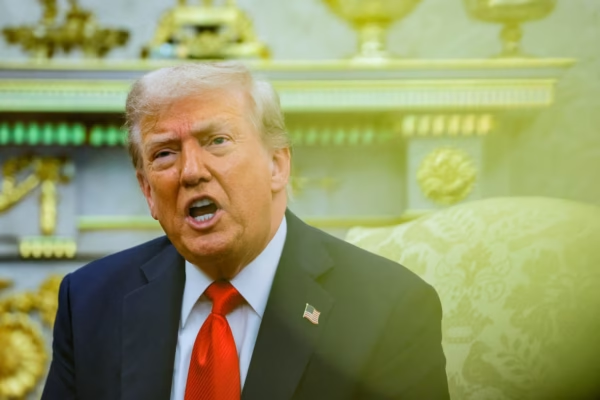
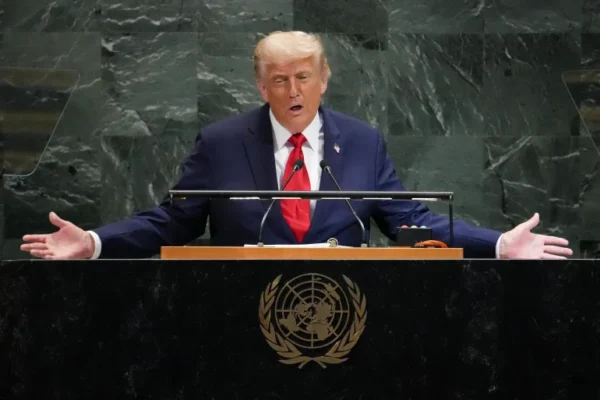
U.S. President Donald Trump has called for an immediate end to the war in Gaza during a speech at the United Nations General Assembly, while dismissing the recognition of a Palestinian state by several Western nations as a “reward” for Hamas. “We have to stop the war in Gaza immediately,” Trump told world leaders on Tuesday. “We have to negotiate peace. We have to get the hostages back. We want all 20 back.” Trump referred to the 20 captives still believed to be alive among the 48 held by Hamas and said those in support of peace should be united in demanding their release. However, he sharply criticized recent efforts by countries to unilaterally recognize Palestinian statehood, claiming such moves would embolden Hamas. “As if to encourage continued conflict, some in this body are seeking to unilaterally recognise the Palestinian state. The rewards would be too great for Hamas terrorists, for their atrocities,” he said. The remarks stand in contrast to comments made earlier this week by UN Secretary-General António Guterres, who stated that Palestinian statehood is “a right, not a reward.” Trump placed responsibility for the failure of ceasefire negotiations squarely on Hamas, stating that the group has “repeatedly rejected reasonable offers to make peace.” He offered minimal criticism of Israeli actions, despite mounting international outrage over Israel’s ongoing military campaign in Gaza, which began in October 2023. Human rights organizations and UN investigators have raised alarms over civilian casualties and humanitarian conditions in the besieged enclave. Trump’s remarks follow reports of an Israeli ground assault on Gaza City this month, displacing thousands and resulting in hundreds of Palestinian deaths. Israel has also been accused of deliberately stalling ceasefire negotiations. In a statement Tuesday, Hamas denied being an obstacle to peace: “We have never been an obstacle to reaching an agreement. The U.S. administration, the mediators, and the world know that [Israeli Prime Minister Benjamin] Netanyahu is the sole obstructionist in all attempts to reach an agreement.” Hamas reiterated its readiness for a truce that includes the release of captives, an exchange of prisoners, and the withdrawal of Israeli forces from Gaza — conditions Netanyahu has refused to accept. More than 65,000 Palestinians have reportedly been killed since the conflict escalated in 2023, according to local health authorities. International condemnation has grown over the U.S.’s continued military support for Israel during the war. Trump also used his UN address to issue strong warnings toward Iran, calling it the “world’s number one sponsor of terror” and vowing that Tehran would never obtain nuclear weapons. “Three months ago in Operation Midnight Hammer, seven American B-2 bombers dropped 30,000-pound bombs on Iran’s key nuclear facilities, totally obliterating everything,” he said. While Trump claimed the operation “demolished” Iran’s nuclear enrichment capacity, U.S. defense officials have said the strikes only delayed Iran’s program by several months. Trump’s address included repeated references to his past foreign policy record, claiming he ended “seven different wars” and suggesting he deserved the Nobel Peace Prize for his efforts — though he added he “didn’t care about awards.” He also took aim at the United Nations, accusing it of failing its core mission and enabling illegal immigration: “I had to end wars instead of the United Nations,” he said.“The UN is funding an assault on Western countries and their borders,” he added, alleging the organization is helping undocumented migrants enter the U.S. with food, shelter, and debit cards. Migration and climate change were recurring targets in the speech. Trump described immigration as an “invasion” and called climate policy “the greatest con job,” claiming renewable energy is “destroying” the West. “Some countries are going to hell over their border policies,” he said in closing remarks. Trump also addressed the ongoing war in Ukraine, arguing the conflict would have been avoided under his leadership. “Everyone thought Russia would win in three days, but it didn’t,” he said, describing his relationship with President Vladimir Putin as “a good one,” while admitting the invasion was “not making Russia look good.” He criticized European countries for continuing to buy Russian oil and gas despite sanctions and called on EU nations to impose tariffs on Moscow. Trump also blamed China and India for “funding” Russia’s war effort. Following his General Assembly address, Trump was scheduled to meet with UN Secretary-General Guterres and leaders from Ukraine, the European Union, Argentina, and a coalition of Middle Eastern and Asian nations. A reception with over 100 world leaders is expected before his return to Washington, D.C.
Read More
Trump Says Ukraine Can Reclaim All Territory from Russia

In Major Policy Shift, Trump Says Ukraine Can Reclaim All Territory from Russia

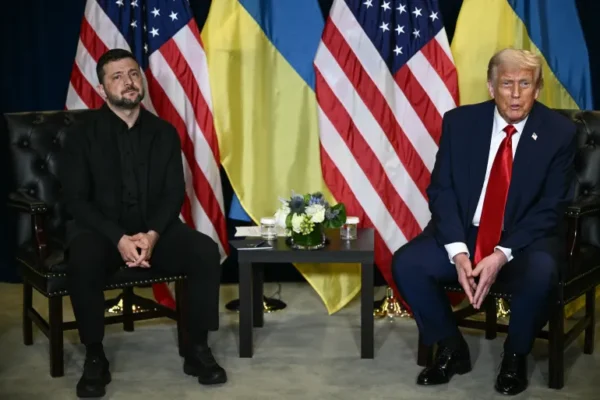
In a dramatic change of stance, U.S. President Donald Trump has declared that Ukraine can recover all of its territory seized by Russia since the 2022 invasion — a departure from his previous suggestions that both sides would need to compromise to end the war. Trump made the statement in a post on his Truth Social platform following a meeting with Ukrainian President Volodymyr Zelenskyy on the sidelines of the United Nations General Assembly. “With time, patience, and the financial support of Europe and NATO, returning to Ukraine’s original borders is very much an option,” Trump wrote. The statement marks a significant reversal from Trump’s earlier position, in which he suggested both Kyiv and Moscow would need to cede land to secure peace. That approach had been sharply rejected by Zelenskyy and most of Europe’s leaders. Criticism of Russia and Praise for Ukraine Trump appeared to take aim at Russia’s military effectiveness, stating that the war had been fought “aimlessly,” and claiming a “real military power” would have won in less than a week. He also called Russia a “paper tiger,” adding that President Vladimir Putin and the Russian economy are in “big trouble,” and urged Ukraine to take advantage of the moment. Despite previous skepticism about Ukraine’s chances and a public clash with Zelenskyy earlier this year, Trump struck a more supportive tone this week. “I have great respect for the fight that Ukraine is putting up. It’s pretty amazing, actually,” he said after the meeting. Zelenskyy: Trump Could Be a ‘Game-Changer’ Zelenskyy thanked Trump for what he called his “personal efforts to stop this war” and said the two had discussed post-war security guarantees for Ukraine. “We all understand that President Trump is ready to give Ukraine security guarantees after this war is finished,” Zelenskyy told reporters, adding that Trump’s leadership could be a “game-changer” in the conflict. Trump had previously opposed Ukraine’s membership in NATO and had insisted that Europe should play a larger role in arming Kyiv. But since taking office in January, he has positioned himself as a potential broker of peace — even promising during his campaign to end the war within 24 hours of becoming president. From Diplomacy to Deterrence Trump’s comments come amid rising tensions between Russia and NATO. When asked if NATO allies should shoot down Russian aircraft violating their airspace, Trump responded, “Yes, I do,” signaling support for a more assertive military posture. Earlier this week, Russian MiG-31 fighter jets violated Estonian airspace for 12 minutes, prompting Estonia to call for an emergency UN Security Council meeting and to consult NATO allies. Similar incidents involving Russian drones have been reported by Poland. NATO issued a firm warning Tuesday, pledging to use “all necessary military and nonmilitary tools” to defend member states and calling the airspace breaches “a pattern of increasingly irresponsible behaviour” by Moscow. Uncertainty Remains Around Putin Asked whether he still considered Putin a reliable negotiating partner, Trump was vague. “I’ll let you know in about a month from now, OK?” he said. Trump has frequently delayed decisions related to sanctions or new steps against Moscow, often citing personal diplomacy as a better path forward. Backdrop: A War in Stalemate Since the start of the full-scale invasion in February 2022, Russia has seized nearly 20% of Ukraine’s territory, including Crimea, which it annexed in 2014. The war has become Europe’s deadliest conflict since World War II, with both sides locked in a prolonged and grinding battle. Trump’s newly declared support for Ukraine’s full territorial recovery introduces a major shift in the U.S. position and could realign Western diplomatic and military strategies — depending on whether the administration backs rhetoric with action.

Read More
Five Key Takeaways from Trump-Starmer Meeting in the UK Aylesbury, UK – September 18, 2025 — U.S. President Donald Trump and UK Prime Minister Keir Starmer presented a united front on major global issues during a joint press conference at Chequers, wrapping up Trump’s three-day visit to the United Kingdom. Despite recent tensions between Washington and European allies, the meeting underscored strong transatlantic ties as the two leaders discussed Ukraine, NATO, Gaza, Afghanistan, and more. 1. Trump Says Putin ‘Let Him Down’ Over Ukraine President Trump expressed frustration with Russian President Vladimir Putin over the prolonged war in Ukraine, admitting he underestimated the challenge of resolving the conflict. “I thought it would be easiest because of my relationship with President Putin, but he’s let me down,” Trump said. PM Starmer reiterated the UK’s commitment to supporting Ukraine, vowing to increase pressure on Russia and push for a lasting peace deal. 2. Divergence on Gaza, But Unity Against Hamas While both leaders condemned Hamas’s October 7, 2023 attack on Israel, they differed on the broader approach to the Gaza conflict. Trump avoided criticizing Israel’s ongoing military campaign, which has killed over 65,000 Palestinians, calling October 7 “one of the worst days in the history of humanity.” Starmer's previous pledge to recognize a Palestinian state was noted as a “point of disagreement,” but Trump praised the UK leader’s strong stance against Hamas. 3. Trump Praises NATO and Increased Defense Spending Once a vocal NATO critic, Trump struck a different tone, applauding the alliance’s commitment to boost defense spending. “I want to thank NATO and our wonderful head of NATO, Mark [Rutte]… They’ve done a great job,” he said, highlighting a new pledge for members to spend 5% of GDP on defense. Trump emphasized U.S. support in supplying weapons to NATO allies, stressing that the alliance was now “paying its fair share.” 4. Bagram Airbase Back in Focus Trump hinted at possible negotiations with the Taliban for the U.S. to regain access to the Bagram airbase in Afghanistan, which was vacated in 2021 during the Biden administration’s withdrawal. “We’re trying to get it back,” Trump said, citing its strategic location near China’s nuclear facilities. The Taliban, however, quickly dismissed the proposal, stating they welcome engagement with the U.S. but will not allow any foreign military presence. 5. Trump Weighs in on Kimmel Firing Trump also addressed the firing of late-night host Jimmy Kimmel by ABC, following political controversy over remarks involving conservative commentator Charlie Kirk. “Jimmy Kimmel was fired because he had bad ratings… He’s not a talented person,” Trump said, dismissing concerns about free speech and framing the firing as a business decision. Conclusion: The Trump-Starmer meeting reflected a broad effort to reinforce U.S.-UK ties amid ongoing global crises. While areas of disagreement remain, particularly on Middle East policy, both leaders signaled alignment on Ukraine, NATO, and global security cooperation.

Five Key Takeaways from Trump-Starmer Meeting in the UK

Aylesbury, UK – September 18, 2025 — U.S. President Donald Trump and UK Prime Minister Keir Starmer presented a united front on major global issues during a joint press conference at Chequers, wrapping up Trump’s three-day visit to the United Kingdom. Despite recent tensions between Washington and European allies, the meeting underscored strong transatlantic ties as the two leaders discussed Ukraine, NATO, Gaza, Afghanistan, and more. 1. Trump Says Putin ‘Let Him Down’ Over UkrainePresident Trump expressed frustration with Russian President Vladimir Putin over the prolonged war in Ukraine, admitting he underestimated the challenge of resolving the conflict.“I thought it would be easiest because of my relationship with President Putin, but he’s let me down,” Trump said.PM Starmer reiterated the UK’s commitment to supporting Ukraine, vowing to increase pressure on Russia and push for a lasting peace deal. 2. Divergence on Gaza, But Unity Against HamasWhile both leaders condemned Hamas’s October 7, 2023 attack on Israel, they differed on the broader approach to the Gaza conflict.Trump avoided criticizing Israel’s ongoing military campaign, which has killed over 65,000 Palestinians, calling October 7 “one of the worst days in the history of humanity.”Starmer’s previous pledge to recognize a Palestinian state was noted as a “point of disagreement,” but Trump praised the UK leader’s strong stance against Hamas. 3. Trump Praises NATO and Increased Defense SpendingOnce a vocal NATO critic, Trump struck a different tone, applauding the alliance’s commitment to boost defense spending.“I want to thank NATO and our wonderful head of NATO, Mark [Rutte]… They’ve done a great job,” he said, highlighting a new pledge for members to spend 5% of GDP on defense.Trump emphasized U.S. support in supplying weapons to NATO allies, stressing that the alliance was now “paying its fair share.” 4. Bagram Airbase Back in FocusTrump hinted at possible negotiations with the Taliban for the U.S. to regain access to the Bagram airbase in Afghanistan, which was vacated in 2021 during the Biden administration’s withdrawal.“We’re trying to get it back,” Trump said, citing its strategic location near China’s nuclear facilities.The Taliban, however, quickly dismissed the proposal, stating they welcome engagement with the U.S. but will not allow any foreign military presence. 5. Trump Weighs in on Kimmel FiringTrump also addressed the firing of late-night host Jimmy Kimmel by ABC, following political controversy over remarks involving conservative commentator Charlie Kirk.“Jimmy Kimmel was fired because he had bad ratings… He’s not a talented person,” Trump said, dismissing concerns about free speech and framing the firing as a business decision. Conclusion:The Trump-Starmer meeting reflected a broad effort to reinforce U.S.-UK ties amid ongoing global crises. While areas of disagreement remain, particularly on Middle East policy, both leaders signaled alignment on Ukraine, NATO, and global security cooperation.

Read More
Qatar PM Meets Trump After Israeli Strike on Doha

Qatar PM Meets Trump After Israeli Strike on Doha Amid Heightened Tensions

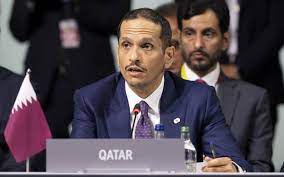
Qatar’s Prime Minister and Foreign Minister, Sheikh Mohammed bin Abdulrahman bin Jassim Al Thani, is holding high-level talks with former U.S. President Donald Trump in New York, following Israel’s deadly strike on the Qatari capital earlier this week. The Israeli air raid, which targeted a Hamas meeting in Doha on Tuesday, killed five Hamas officials and a Qatari security officer. The meeting was reportedly convened to discuss a new ceasefire proposal brokered by Trump aimed at ending the Gaza war. Sheikh Mohammed’s diplomatic efforts in the U.S. come at a tense moment in regional and international relations. Prior to his dinner meeting with Trump on Friday, the Qatari leader met U.S. Vice President JD Vance and Secretary of State Marco Rubio at the White House. According to reports, discussions centered on the fallout from the Israeli strike and the future of U.S.-Qatar security cooperation. Al Jazeera’s correspondent Kimberly Halkett, reporting from Washington, noted that the meetings are part of a broader attempt to navigate the increasingly complicated relationship between Qatar and the U.S. following Israel’s actions. “The concern is that the relationship between Qatar and the United States has become increasingly complicated as a result of those strikes,” Halkett said. “They’re looking for a path forward on both of those issues.” While the exact location and time of the Trump meeting remain undisclosed, sources confirmed the former president is currently in New York, staying at Trump Tower. The attack on Doha has drawn rare international condemnation against Israel, including from the U.S., which typically stands as one of Israel’s staunchest defenders. In a rare move on Thursday, the U.S. joined other United Nations Security Council members in condemning the strike, which many see as an effort to derail ceasefire negotiations. Despite this condemnation, the Trump administration is continuing to walk a diplomatic tightrope. Secretary of State Rubio is scheduled to visit Israel this weekend for a two-day visit, signaling continued U.S. support. The visit comes ahead of a pivotal UN summit on September 22, where several Western nations are expected to back formal recognition of a Palestinian state. According to State Department spokesman Tommy Pigott, Rubio will reaffirm U.S. commitment to Israel’s security and oppose unilateral moves seen as legitimizing Hamas. “He will also emphasise our shared goals: ensuring Hamas never rules over Gaza again and bringing all the hostages home,” Pigott said. Meanwhile, momentum appears to be building globally for a renewed push toward a two-state solution. At a UN General Assembly meeting on Friday, a resolution calling for “collective action” to end the war in Gaza received strong backing, led by France and Saudi Arabia. The Gaza conflict has already claimed more than 64,000 lives, and pressure is mounting on all parties to reach a sustainable political resolution. As tensions escalate, the outcome of Sheikh Mohammed’s meetings in Washington could play a crucial role in shaping the next phase of diplomacy in the region.

Read More
Trump, Other World Leaders Condemn Charlie Kirks Assasination

World Leaders Condemn Assassination of Conservative Activist Charlie Kirk in Utah Shooting

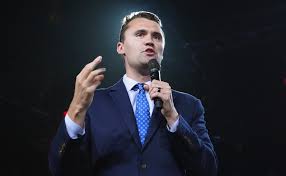
By Kamal Yalwa: September 11, 2025 Charlie Kirk, the conservative American activist and co-founder of Turning Point USA, was fatally shot on Tuesday while speaking at Utah Valley University during an event on his “American Comeback Tour.” The shocking incident, captured on video, has drawn widespread condemnation from leaders across the globe, including U.S. President Donald Trump and several current and former heads of government. Kirk, 31, was known for his prominent role in galvanizing young conservative voters and was a vocal supporter of President Trump. He had gained national attention for his media presence, grassroots organizing, and outspoken views on American politics and culture. President Trump issued a heartfelt statement on his Truth Social platform, mourning the loss of what he called “a legendary” American patriot. “The Great, and even Legendary, Charlie Kirk, is dead,” Trump wrote. “No one understood or had the Heart of the Youth in the United States of America better than Charlie. He was loved and admired by ALL, especially me, and now, he is no longer with us.” In a video posted to his X (formerly Twitter) account, Trump condemned the political violence and urged Americans to reflect on the consequences of what he called a toxic political climate. “It is long past time for all Americans and the media to confront the fact that violence and murder are the tragic consequences of demonising those with whom you disagree.” Israeli Prime Minister Benjamin Netanyahu also paid tribute to Kirk, calling him a “lion-hearted friend of Israel.” “Charlie Kirk was murdered for speaking truth and defending freedom. A lion-hearted friend of Israel, he fought the lies and stood tall for Judeo-Christian civilisation,” Netanyahu said, noting he had recently spoken with Kirk and invited him to Israel. “Sadly, that visit will not take place.” Canadian Prime Minister Mark Carney expressed his shock at the assassination. “I am appalled by the murder of Charlie Kirk. There is no justification for political violence, and every act of it threatens democracy,” he wrote. “My thoughts and prayers are with his family, friends, and loved ones.” Former U.S. President Barack Obama also reacted to the tragedy, urging calm and unity in the face of such violence. “We don’t yet know what motivated the person who shot and killed Charlie Kirk, but this kind of despicable violence has no place in our democracy,” Obama posted on X. “Michelle and I will be praying for Charlie’s family tonight, especially his wife Erika and their two young children.” British Prime Minister Keir Starmer echoed similar sentiments, emphasizing the sanctity of free speech. “My thoughts this evening are with the loved ones of Charlie Kirk. It is heartbreaking that a young family has been robbed of a father and a husband,” he wrote. “We must all be free to debate openly and freely without fear – there can be no justification for political violence.” Authorities have not yet released the identity or motives of the shooter, and investigations are ongoing. Meanwhile, tributes continue to pour in from political allies, critics, and citizens alike, many of whom view Kirk’s killing as a stark warning about rising political tensions in America. Charlie Kirk leaves behind his wife, Erika, and their two young children.

Read More
Supreme Court allows Trump to continue ‘roving’ ICE patrols in California

Supreme Court Backs Trump’s Roving ICE Patrols in California Sparking Legal and Civil Rights Concerns

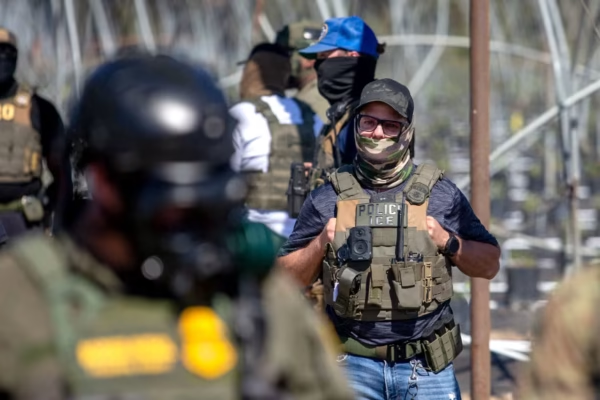
Washington, D.C. — The U.S. Supreme Court on Monday sided with President Donald Trump’s administration, allowing federal immigration agents to continue controversial “roving patrols” across Southern California, despite lower court rulings that said the practice likely violates constitutional protections. The court’s unsigned order offered no explanation, but came over a forceful dissent from the three liberal justices—Sonia Sotomayor, Elena Kagan, and Ketanji Brown Jackson—who warned the ruling paves the way for widespread racial profiling and civil rights abuses. Controversial Tactics Resume The case centered on aggressive immigration enforcement actions by U.S. Immigration and Customs Enforcement (ICE) agents, who allegedly stopped and interrogated Latino individuals—some of them U.S. citizens—at farms, bus stops, and other locations without reasonable suspicion. A federal district court and the Ninth Circuit Court of Appeals had previously restricted such stops, ruling that targeting individuals based largely on ethnicity or location likely violated the Fourth Amendment. Monday’s Supreme Court ruling lifts that restriction for now, affecting seven counties in Southern California. In a concurring opinion, Justice Brett Kavanaugh argued that ethnicity can be one of several factors used to establish “reasonable suspicion” in immigration enforcement, stating: “Apparent ethnicity alone cannot furnish reasonable suspicion… [but] it can be a relevant factor when considered along with other salient factors.” Kavanaugh also emphasized that ICE agents are allowed to “briefly stop the individual and inquire about immigration status.” Sotomayor: ‘Freedoms Are Lost’ Justice Sonia Sotomayor, the court’s first Hispanic justice, issued a blistering dissent, condemning what she described as a “papers please” regime that targets people based on appearance, language, or low-wage employment. “We should not have to live in a country where the government can seize anyone who looks Latino, speaks Spanish, and appears to work a low-wage job,” she wrote. Sotomayor cited internal statements from DHS officials, including Homeland Security Secretary Kristi Noem, who called the district judge an “idiot” and vowed that ICE operations would continue unchanged. She also referenced inflammatory rhetoric from ICE leadership, including promises to “go even harder now” and social media videos showing raids at car washes and farms. “These are not brief stops,” Sotomayor wrote. “They involve firearms, physical violence, and detentions in warehouses—with no legal counsel.” ACLU and Civil Rights Groups Condemn Ruling The American Civil Liberties Union (ACLU), which helped lead the legal challenge, called the decision “dangerous” and said it legitimizes racial profiling under the guise of immigration enforcement. “For anyone perceived as Latino by an ICE agent, this means living in fear of violent arrest and detention,” said Cecillia Wang, ACLU National Legal Director. Legal, Political Implications The ruling is the latest in a growing number of emergency appeals from the Trump administration to reach the high court since Trump began his second term in January. Many of these cases, including this one, have bypassed traditional appellate processes and arrived at the court with little public briefing or oral argument. Sotomayor criticized the court’s increasing reliance on such shadow docket rulings, writing: “The court’s appetite to circumvent the ordinary appellate process and weigh in on important issues has grown exponentially.” While the ruling is technically temporary—pending a full hearing—it will be widely interpreted as a green light for aggressive enforcement tactics across the country. Immigration advocates warn it could encourage ICE agents nationwide to resume or expand similar operations, using race and language as key triggers for stops. The Department of Homeland Security praised the ruling. DHS spokesperson Tricia McLaughlin called it “a win for the safety of Californians and the rule of law.” What’s Next? With the case now cleared for continued enforcement pending further litigation, immigrant communities in California brace for renewed ICE activity. Civil rights groups plan to continue legal challenges and increase public pressure on Congress to impose limits on immigration enforcement powers. Meanwhile, national attention will turn to whether the Supreme Court takes up the case formally—and if it sets new precedent on immigration stops and racial profiling.

Read More
Trump and Putin both agree: Blame falls on Europe as Ukraine peace effort languishes

Trump and Putin Align in Blame Game as Ukraine Peace Talks Stall

Amid stagnant peace efforts in Ukraine, US President Donald Trump and Russian President Vladimir Putin have found rare alignment—blaming Europe for the continued impasse. This comes three weeks after their high-profile summit in Alaska, which ended with no concrete outcomes. In a Thursday call with European leaders, Trump urged the continent to do more to cut economic ties with Russia, particularly oil purchases, which he claimed generated €1.1 billion for Moscow in just one year. “Europe must stop purchasing Russian oil that is funding the war,” a White House official stated. The call followed Trump’s comments that he plans to speak with Putin again, even as the Russian leader continues to ignore multiple peace deadlines. Trump’s approach, while forceful in tone, has been vague on enforcement. “If we’re unhappy about it, you’ll see things happen,” he said, without elaborating. Despite Europe’s efforts—like last week’s Paris summit where 26 nations agreed to provide forces for a future peacekeeping mission—Trump’s administration has offered limited commitment and continues to pressure Europe and China, without applying equivalent pressure to Beijing directly. Double Standards and Shifting Alliances Trump’s foreign policy is increasingly seen as transactional and unpredictable. While demanding European action on Russian oil, he has refrained from sanctioning China, citing ongoing trade talks. Meanwhile, India has faced punitive tariffs from Trump for buying Russian oil—further straining relations with the strategic partner and pushing New Delhi closer to Beijing and Moscow. This week, Chinese President Xi Jinping gave Indian Prime Minister Narendra Modi a warm welcome, with Modi even seen riding in Putin’s limousine—mirroring Trump’s recent public camaraderie with the Russian president. Russia Pushes for Division Putin, meanwhile, has ramped up efforts to fracture NATO unity, accusing Europe of “hysteria” over alleged Russian military threats. “Russia has never had, does not have, and will never have any desire to attack anyone,” he claimed during meetings with leaders like Slovak Prime Minister Robert Fico in Beijing. In a symbolic echo of Alaska, Putin warned Europe not to “throw a wrench” in his negotiations with Trump. Simultaneously, suspected GPS jamming of a plane carrying EU Commission President Ursula von der Leyen was blamed on Russia—though Moscow dismissed the claim as “fake.” Security Guarantees, but No Breakthrough At the Paris summit, French President Emmanuel Macron announced that 26 countries had pledged contributions to a future peacekeeping or reassurance force for Ukraine, should a deal be reached. Macron also emphasized the need for an “American safety net”, indicating that US support—however limited—remains crucial. However, no firm meeting between Putin and Ukrainian President Volodymyr Zelensky is in sight. While Putin offered to host Zelensky in Moscow, Kyiv views the offer as a non-starter, citing security risks and a likely political trap. There are also concerns that Putin could weaponize a bilateral meeting to undermine Zelensky in Trump’s eyes. Analysis: Big Rhetoric, Few Results Despite dominating headlines with high-stakes diplomacy, Trump appears increasingly frustrated with the lack of progress—yet unwilling to deploy the leverage or consistency needed to change course. His tendency to scold allies, court adversaries, and avoid firm commitments has left both Ukraine and US allies guessing. As Putin continues to exploit divisions and as Trump balances contradictory goals, the only clear outcome is continued gridlock, while Ukraine waits for real peace—and real guarantees.

Read More

US Military Strike Kills 11 in Caribbean Drug Operation Tied to Venezuelan Cartel Trump Announces

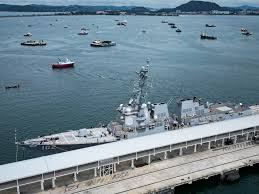
Washington, D.C. — U.S. President Donald Trump has announced that American military forces conducted a “kinetic strike” against a suspected drug-trafficking vessel in the southern Caribbean, killing 11 individuals believed to be members of Venezuela’s Tren de Aragua cartel. The strike, carried out in what the administration says were international waters, marks a significant escalation in the U.S. military’s role in combating Latin American drug cartels. The Tren de Aragua (TDA) cartel was designated as a Foreign Terrorist Organization by the U.S. State Department earlier this year, and is accused by U.S. officials of involvement in drug and sex trafficking, mass killings, and transnational criminal activity. “Earlier this morning, on my orders, U.S. military forces conducted a kinetic strike against positively identified Tren de Aragua narcoterrorists in the SOUTHCOM area of responsibility,” President Trump posted on Truth Social. “Please let this serve as notice to anybody even thinking about bringing drugs into the United States of America. BEWARE!” The announcement came as Secretary of State Marco Rubio confirmed the operation, calling it a “lethal strike” against a “drug vessel which had departed from Venezuela.” He said more operations of this kind are likely, as the administration intensifies its counter-narcotics efforts. “We are going to wage combat against drug cartels that are flooding American streets and killing Americans,” Rubio told reporters ahead of his trip to Mexico and Ecuador. Rubio did not elaborate on the legal basis for the strike, only saying that “all of those steps were taken in advance” and that the organizations in question had been designated as terrorist entities. A senior defense official confirmed the strike, describing it as a “precision operation” carried out in the southern Caribbean. Specific operational details, including which military assets were involved, were not disclosed. Background: Military Presence in the Region CNN previously reported that the U.S. military had deployed more than 4,000 Marines and sailors to the Caribbean and Latin American waters as part of a broader campaign to confront drug cartels. The buildup has drawn sharp criticism from Venezuelan President Nicolás Maduro, who accused Washington of using military pressure to destabilize his regime. “It is an extravagant threat… absolutely criminal, bloody,” Maduro said in a televised address Monday. “We have prepared maximum readiness.” The Trump administration recently increased the bounty on Maduro to $50 million, citing his alleged role in international narcotics trafficking. Escalation of U.S. Strategy Analysts say this strike may be the first public acknowledgment of direct military action against a foreign drug cartel. Tom Karako, a senior fellow at the Center for Strategic and International Studies, told CNN that while he was unaware of prior strikes of this kind, it wouldn’t be surprising if others had taken place without public disclosure. “It would not surprise me in the slightest if there were a dozen instances that we don’t talk about,” Karako said. The move signals a new phase in U.S. counter-narcotics strategy, combining military force with diplomatic pressure in a region where criminal networks have increasingly become transnational threats. International Reactions The Venezuelan government has not yet issued an official response to the strike. CNN has reached out for comment. The Trump administration’s approach has raised questions among legal scholars and international observers, particularly around the use of military force without Congressional authorization and potential violations of international law. However, administration officials maintain that the designations of Tren de Aragua and similar organizations as terrorist groups provide sufficient legal justification under U.S. law.

Read More