Iran Ready To Support Nigeria Against Terrorism, Rejects Israeli Allegations Of Sponsorship

Iran’s ambassador to Nigeria, Mahdavi Raja, has affirmed Tehran’s willingness to assist Nigeria in its fight against terrorism, responding to claims by Israel that Iran sponsors extremist groups in the region. In an interview with Arise Television, Raja clarified that Islamic groups in Nigeria maintain only spiritual and cultural ties with Iran, not political affiliations. His remarks came after Israel’s ambassador to Nigeria, Michael Freeman, alleged on Friday that Iran supports Islamic movements in Nigeria and West Africa as part of a broader effort to spread terror. Freeman cited Iran’s ballistic missile and nuclear programs and claimed that Nigeria had been affected by the country’s actions. The comments followed recent protests by members of the Islamic Movement of Nigeria (IMN), also known as Shi’ites, in several states mourning the death of Iran’s supreme leader, Ali Khamenei, during US-Israeli strikes in Tehran. Reacting to Freeman’s claims, the IMN Media Forum dismissed the allegations as “possible false-flag terrorism by the Israelis.” Chairman Ammar Rajab described the accusations as “inappropriate and unacceptable,” pointing out Israel’s own record of human rights violations. Raja emphasized that the Shi’ite rallies in Nigeria were peaceful demonstrations of grief and reflected a shared spiritual bond among Muslims. “This does not mean that Iran is defending those groups. It is a moral and spiritual connection because they are Muslims, and we are Muslims,” he said. The ambassador also highlighted Iran’s readiness to collaborate with Nigeria on counterterrorism efforts. “We are ready to lend a helping hand. We know that Nigeria faces threats from Boko Haram, ISWAP, and other groups. We are prepared to share our experience in combating terrorism,” Raja said. He further noted that Iran itself has suffered from terrorism and has consistently condemned attacks worldwide. “We are victims, and we are ready to cooperate with African countries to combat terrorism, drawing from our experience. We condemn terrorist attacks in Nigeria and across Africa,” he added.
Read More

Israeli Ambassador Accuses Iran Of Sponsoring Shi’ite Groups And Terrorism In Nigeria

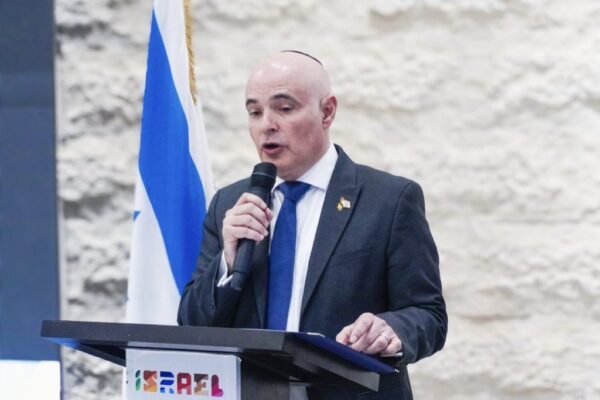
Israel’s Ambassador to Nigeria, Michael Freeman, has claimed that Iran is actively supporting Shi’ite organisations and promoting terrorism in Nigeria and other parts of West Africa in a bid to undermine stability in the region. Freeman made the allegation during an interview on The Morning Show on Arise News, where he discussed what he described as Iran’s long-standing pattern of backing militant groups in different parts of the world. He pointed to organisations such as Hamas and Hezbollah as examples of groups that Tehran has allegedly supported over the years, adding that similar influence is also being extended to Africa. Speaking about Nigeria, the envoy alleged that the Islamic Movement of Nigeria is among the groups receiving backing from the Iranian government, stating that the relationship between the movement and Tehran has been publicly documented. “I think that it is well documented. We know that certain movements, for example, the Islamic Movement of Nigeria, are sponsored and backed by the Iranian regime. This is not just me saying this; we’ve seen it documented by the Iranian regime. “The Supreme Leader posted on X his support and his backing there, so that’s very open. There are also other areas where Iran is working to destabilise not only Nigeria but all of West Africa. “We’ve seen over 47 years that they’ve taken all the actions they can in order for that to happen. We’ve seen them sponsor terror organisations. They were behind the October 7 massacre by Hamas. We’ve seen them sponsoring Hezbollah. We’ve seen them acting in Europe, Australia, and Nigeria. “We’ve seen these people acting all across the world to spread disturbance as they pursue their aim of destroying Israel. Israel will not allow another country to have nuclear weapons when they have expressly stated they want those weapons to destroy Israel,” he said. Freeman further argued that Iran has spent decades financing militant groups globally as part of its confrontation with Israel and broader efforts to spread instability. “The issue here is about Iran. Iran is the only country in the world, in the United Nations, who expressly desires to wipe another country off the face of the earth. Iran has stated its very policy is to destroy Israel — to wipe Israel off the map and ensure every single person is killed. No regime or country that has an express desire to destroy Israel should be allowed to pursue such ambitions.”

Read More

US Sanctions Eight Nigerians Over Terror Links And Cybercrime

The United States has sanctioned eight Nigerians accused of involvement with terrorist groups and cybercrime, freezing any assets they hold in the country and prohibiting Americans from doing business with them. The U.S. Treasury’s Office of Foreign Assets Control (OFAC) released the names over the weekend in a 3,000-page document listing individuals and entities designated as Specially Designated Nationals (SDNs) under U.S. counter-terrorism laws. OFAC said the publication “provides actual notice of actions … whose property is blocked,” serving as a legal reference for U.S. citizens and businesses. Several of those sanctioned are reportedly linked to Boko Haram, designated a foreign terrorist organization by the U.S. in 2013, and to the Islamic State of Iraq and the Levant (ISIL). The list includes Salih Yusuf Adamu, also known as Salihu Yusuf, a Nigerian passport holder with alleged ties to Boko Haram. In 2022, he was convicted in the United Arab Emirates alongside five others for setting up a Boko Haram cell to raise funds for fighters. Others named include Abu Abdullah ibn Umar Al-Barnawi, also known as Ba Idrisa, and several members of the Al-Barnawi family, widely reported to be connected to Boko Haram leadership. Nnamdi Orson Benson was also sanctioned for cybercrime-related activity, indicating involvement in significant online criminal operations. Under the sanctions, all property and interests these individuals hold in the U.S. or under the control of U.S. persons are blocked, and Americans are barred from financial dealings with them. The move is part of ongoing U.S. efforts to combat terrorism financing and cyber threats, including visa bans and asset freezes targeting other Nigerians facing similar allegations. Nigeria’s government and law enforcement authorities have not yet publicly responded to the sanctions.

Read More

China Denies Allegations Of Funding Terrorism And Supporting Illegal Mining In Nigeria

The Chinese government has rejected allegations from five United States lawmakers that it is involved in illegal mining and funding militias in Nigeria, calling the claims entirely baseless. The Chinese Embassy in Nigeria issued a statement on Thursday in response to a bill introduced in the US Congress, which linked alleged illegal mining by Chinese nationals to terrorism financing and religious violence in Nigeria. The embassy expressed strong dissatisfaction with the accusations, stressing that Chinese citizens and companies in Nigeria are required to strictly follow local laws and regulations. “We express our firm opposition and strong dissatisfaction, and request that the relevant media immediately cease spreading such false information,” the statement said. “The Chinese Embassy has consistently required Chinese companies and citizens overseas to strictly abide by the laws and regulations of the host country.” It noted that most Chinese mining companies in Nigeria have maintained exemplary compliance records and that, in many instances, they have themselves been targets of terrorist attacks. The embassy also highlighted the positive contributions of Chinese enterprises, including supporting local communities, protecting the environment, creating jobs, and fostering bilateral cooperation. It reaffirmed its commitment to working with Nigerian authorities to strengthen governance and regulation in the mining sector. The development adds a diplomatic angle to ongoing debates over foreign involvement, security, and oversight in Nigeria’s extractive industries.

Read More

US Lawmaker Riley Moore Calls Nigeria Visit “Very Productive” Amid Security And Counter-Terrorism Talks

US House of Representatives member Riley Moore has described his recent visit to Nigeria as “very productive,” highlighting ongoing diplomatic efforts related to the country’s “Country of Particular Concern” designation by former US President Donald Trump. Posting on X on Sunday, Moore wrote, “I came to Nigeria in the name of the Lord and on behalf of the American people. Just ending a very productive visit to Nigeria and rounds of meetings. More details to come. Happy Sunday. God is Great!” While he did not provide immediate specifics about the purpose of his trip or the Nigerian officials he met, Moore promised to share further insights in the coming days. Earlier, National Security Adviser Nuhu Ribadu confirmed that he hosted the US Congressional delegation as part of ongoing security consultations between Nigeria and the United States. Ribadu explained that the visit followed prior discussions in Washington, D.C., centered on mutual security interests. “This morning, I received a US Congressional delegation on a fact-finding mission to Nigeria, following our earlier engagements in Washington, DC, on shared security priorities,” Ribadu said on his official X account. He added that US Ambassador to Nigeria, Richard Mills, attended the meeting, emphasizing that it underscored the importance both nations attach to security cooperation. Discussions reportedly focused on counter-terrorism, regional stability, and ways to strengthen the strategic security partnership between Nigeria and the United States. “I’m optimistic this engagement will deepen trust, collaboration, and shared commitment to peace and security,” Ribadu added. According to previous reports, Moore met with a senior Nigerian delegation led by Ribadu to discuss concerns over rising attacks on Christians and the growing threat of terrorism in the country. The lawmaker had first confirmed the high-level meeting in Washington, D.C., via a statement on his X page.

Read More

Buratai Rejects Terrorism Financing Claims, Demands Retraction and Apology

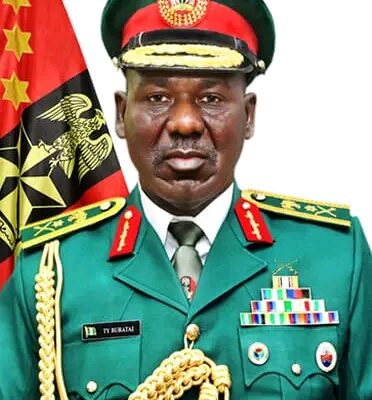
Former Chief of Army Staff and Ambassador to Benin Republic, Lt.-General Tukur Buratai (rtd), has rejected claims linking him to terrorism financing, describing the allegations as entirely false and malicious. In a statement released on Saturday and signed by his former Army spokesperson, Brig.-General Sani Kukasheka Usman, Buratai said the insinuation is inconsistent with facts and contradicts his lifelong commitment to defending Nigeria against terrorism. The statement followed an online report connecting him and other prominent figures to terrorism financiers. The statement stressed that at no time in his career was Buratai ever investigated, questioned, or associated with terrorism financing by any official body, including security agencies, intelligence services, judicial panels, or oversight institutions. It also criticized Sahara Reporters for relying solely on the unverified claims of Major General Danjuma Ali-Keffi (rtd), calling the publication a “misrepresentation borne out of malice” with no factual or legal basis. Buratai’s statement highlighted his four decades of service, noting his leadership in significantly weakening Boko Haram and ISWAP, reclaiming territories, restoring civil administration, and facilitating the return of displaced Nigerians. “It defies logic to suggest that the same person who led decisive actions against terrorism could be connected to the very elements he spent his career fighting,” the statement said. The statement concluded by demanding that Sahara Reporters and Major General Ali-Keffi retract the publication and issue a public apology, warning that failure to comply would force Buratai to pursue legal action to protect his reputation.

Read More

Sheikh Ahmad Gumi Claims Foreign Powers Are Backing Terrorist Groups In Nigeria

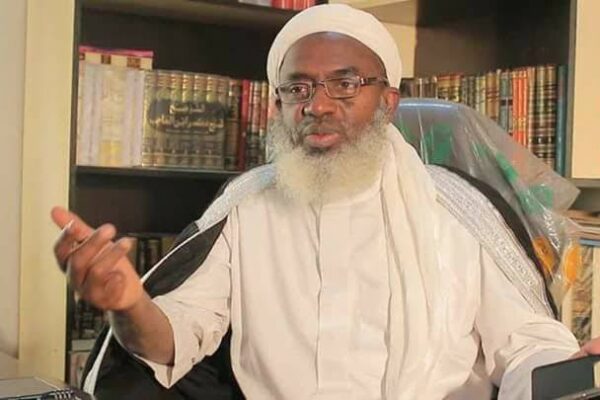
Islamic scholar Sheikh Ahmad Gumi has claimed that foreign powers are backing terrorist groups responsible for the rising insecurity in Nigeria. In an interview with BBC Hausa Service, Gumi said recent attack patterns across the country suggest external support for armed groups, noting that the situation contradicts earlier signs of improvement in national security. He cited the Abuja–Kaduna highway, once considered highly dangerous for commuters, which had become safer in recent months before the latest surge in violence. He also highlighted farmers in Birnin Gwari, Kaduna State, who had returned to their farmlands after previously abandoning them due to persistent threats, indicating a temporary improvement in security. Gumi urged the Nigerian government to intensify intelligence gathering, strengthen diplomatic efforts, and investigate all foreign links that may be contributing to the country’s insecurity.

Read More
Senate Steps In To End ASUU Strike, Sets Meeting With Education Minister And NUC

Senate Passes Bill To Classify Kidnapping And Hostage-Taking As Terrorism With Death Penalty

A bill seeking to classify all kidnapping and hostage-taking offences as acts of terrorism has passed its second reading at the Senate, presided over by Senate President Godswill Akpabio. The proposed legislation prescribes the death penalty for all kidnapping-related crimes, with no option for fines or alternative sentences. Lawmakers said the bill is part of ongoing efforts to strengthen Nigeria’s terrorism laws. Akpabio emphasized the urgency of the matter, noting that issues raised in plenary must first be discussed in public hearings before being formally prohibited to reflect current realities. “It’s something we fast-track to go for public hearing and thereafter concordance. Everything you are saying here, you must say at a public hearing and then prohibit it to suit today’s situation,” he said. The Senate President invited senators to voice their support, giving proponents and opponents an opportunity to respond. He instructed, “Those who support this bill say hi, and those against say nay the hi of it.” The bill aims to amend the Terrorism Prevention and Prohibition Act to designate kidnapping and related offences as acts of terrorism and prescribe the death penalty. Akpabio read the bill’s main proposal and formal title to clarify its contents. After the second reading, the bill was referred to the Senate Committee on Judicial, Human Rights, and Legal Matters as the lead committee, with support from the Committees on National Security and Interior, and a two-week deadline to report back. The bill had its first reading on 27 November 2025, sponsored by Senate Leader Opeyemi Bamidele, and passed after a voice vote. Currently, Nigeria’s Anti-Terrorism Act applies the death penalty only when a kidnapping results in the victim’s death. Other kidnapping offences carry varying penalties, including life imprisonment, while ransom payments attract a minimum of 15 years. Recent cases highlighting the threat include the rescue of 25 schoolgirls in Kebbi State and 38 church worshippers in Kwara State, though no arrests have been reported in either incident.

Read More