Israeli Air Strikes Ignite Fires At Tehran Oil Facilities As War Casualties Climb
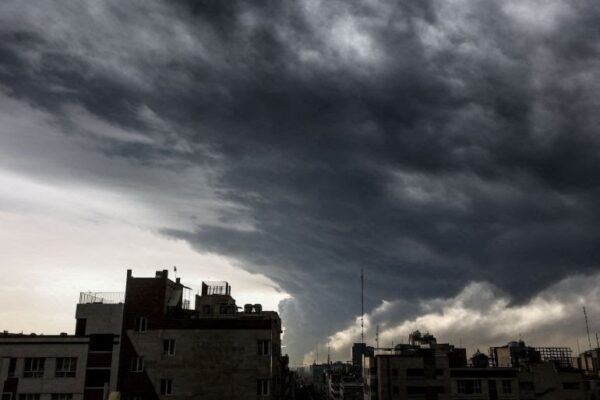
Thick smoke covered parts of Tehran after Israeli air strikes struck key Iranian oil facilities for the first time since the outbreak of the war, leaving at least four people dead. The conflict involving Israel and the United States against Iran entered its ninth day on Sunday. Officials say the violence has claimed more than 1,300 lives in Iran and about 300 in Lebanon, while around a dozen people have been killed in Israel. Iran’s Fars news agency reported that Saturday’s bombardment sparked huge fires after four oil storage depots and an oil transfer centre were hit in Tehran and nearby Alborz province. Iranian state media described the incident as “an attack from the US and the Zionist regime”. Among the sites targeted were the Aghdasieh oil warehouse in northeast Tehran, the Tehran refinery in the southern part of the capital, the Shahran oil depot in western Tehran, and another oil facility in Karaj city. Witnesses said crude from the Shahran depot spilled into surrounding streets following the strike. Fars reported that at least four tanker drivers were killed in the attacks across Tehran and Alborz. Despite the damage, authorities said fuel distribution across the country remains stable while emergency teams continue battling the fires. Israel confirmed carrying out the operation, stating that “a number of fuel storage facilities in Tehran” were hit because they were allegedly used “to operate military infrastructure”. “This is not the first time. Back in June, during the 12-day war, we saw fuel depots being targeted, but this is unprecedented,” Asadi said. “We are dealing with a critical situation in terms of war and environmental circumstances in the capital.” He said black droplets appeared on his windows early Sunday morning, raising fears of polluted air in the city. “There is a high risk of being surrounded by toxic air.” Asadi also warned about increasing civilian casualties as the attacks intensify. “Three days ago, the tally was at about 1,300, but we know that in the past days, intensive strikes targeting Iranian territory have continued, so it’s likely that the number has gone up.” Al Jazeera correspondent Mohamed Vall, reporting from Tehran, said the strikes on oil facilities could be aimed at creating panic among Iranians. “The Israelis are probably planning to cause a situation of crisis in terms of fuel in Iran, and Iranians will consider this as an act of aggression and terrorism,” Vall said. He added that the attacks may also be intended to limit the mobility of Iranian troops, though Iran’s vast number of oil installations means the strike may not necessarily cause a nationwide fuel shortage.