
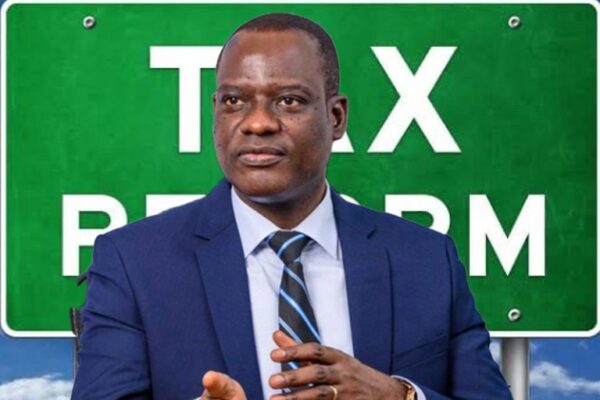
Taiwo Oyedele Says He Faces Death Threats Over Nigeria’s Sweeping Tax Reforms

Taiwo Oyedele, Chairman of the Presidential Committee on Fiscal Policy and Tax Reforms, has disclosed that he has received threats to his life due to his involvement in implementing Nigeria’s sweeping tax reforms. Speaking on Tuesday in Abuja at a governance colloquium celebrating the 50th birthday of the Special Adviser to the President on Policy and Coordination, Hajiya Hadiza Bala-Usman, Oyedele said pushing reforms that challenge entrenched interests requires courage in a system historically resistant to change. “Reforms are hard, and tax reforms are even harder. You need courage. I receive threats simply for trying to fix a broken system,” he said. He identified weak public trust in government, low tax compliance, and misunderstandings about fiscal policies as major obstacles. Oyedele explained that Nigeria’s tax revenue remains far below that of peer countries, making comprehensive reforms necessary. Oyedele urged supporters of the reforms to speak out, warning that silence allows opponents to control the narrative. He noted that many Nigerians mistakenly believe the reforms introduce new taxes, when in fact they reduce and harmonise existing levies. “Implementing these reforms carries significant political, economic, and reputational risks. You need courage to push through,” he added, likening the changes to a surgical fix rather than previous short-term solutions. Despite facing online abuse and personal threats, Oyedele defended the reform strategy, emphasizing it as essential for long-term fiscal stability. “What we have been doing all my adult life with the tax system was a pain reliever. Now we’re doing the surgery. It will come with pain, but it is the only right thing to do,” he said. He concluded by expressing optimism about the country’s progress, describing the current reform momentum as unprecedented and urging Nigerians to remain committed to achieving sustainable fiscal growth.
Read More

Taiwo Oyedele Defends Nigeria’s New Tax Laws, Says KPMG Misunderstood Policy Intent

The Chairman of the Presidential Fiscal Policy and Tax Reforms Committee, Taiwo Oyedele, has clarified the intent and structure of Nigeria’s newly gazetted tax laws in response to concerns raised by KPMG Nigeria, insisting that most issues highlighted by the firm stem from misunderstandings or differences with deliberate policy choices. In a statement released on Saturday, Oyedele said while some points raised by KPMG were useful—particularly regarding implementation risks and minor clerical or cross-referencing issues—the bulk of the report mischaracterised the objectives of the new tax framework. “The majority of the publication reflected a misunderstanding of the policy intent, a mischaracterisation of deliberate policy choices, and, in several instances, presentation of opinion and preferences as facts,” Oyedele said. He added that many issues described as “errors,” “gaps,” or “omissions” were either incorrect conclusions, taken out of context, or areas where the firm preferred different outcomes from those intentionally adopted. Oyedele provided detailed clarifications on key provisions flagged by KPMG: Shares and stock market taxation: The framework applies rates from 0% to 30%, set to reduce to 25%, with 99% of investors eligible for unconditional exemption. He dismissed concerns of a market sell-off, noting that disposals in December 2025 could have benefited from reinvestment exemptions or enhanced deductions. Commencement date of the laws: Strict alignment with accounting periods overlooks the complexity of transitioning to a new tax system, which involves multiple periods, audits, deductions, credits, and penalties. Indirect transfer of shares: The provision aligns with global best practices and BEPS initiatives, designed to close loopholes exploited by multinationals. Insurance premiums: These are not subject to Value Added Tax because insurance is not a taxable supply under Nigerian law. Definition of “community”: The statutory definition applies throughout the law unless context requires otherwise, with “includes” indicating a non-exhaustive list of taxable persons. Dividend taxation: Dividends from foreign companies cannot be franked as no Nigerian withholding tax would have been deducted, while dividends from Nigerian companies are treated differently by deliberate policy choice. Non-resident obligations: Non-residents are not automatically exempt from tax registration even if their income is subject to final withholding tax, as returns serve broader compliance purposes. Other clarifications addressed foreign exchange deductions at parallel market rates, linking tax deductibility to VAT compliance as an anti-avoidance measure, and noted that the Police Trust Fund expired in June 2025. The statement also pointed out that small company exemptions predate the new laws under the Finance Act 2021. Minor clerical inconsistencies and cross-referencing gaps are being addressed through administrative guidance. Oyedele described the reforms as a “bold step toward a self-sustaining and competitive Nigeria” and called on stakeholders to move from “static critique to dynamic engagement” to support effective implementation. The clarification follows KPMG Nigeria’s report, which had flagged potential errors, gaps, and inconsistencies in the new tax laws, warning that issues such as share taxation, dividend treatment, non-resident obligations, and foreign exchange deductions could impact businesses and taxpayers. Oyedele emphasised that the reforms are deliberate, comprehensive, and aimed at enhancing fairness, competitiveness, and revenue generation.

Read More

New Tax Reforms to Begin January 1, 2026, Says Taiwo Oyedele

Taiwo Oyedele, Chairman of the Presidential Fiscal Policy and Tax Reforms Committee, has confirmed that Nigeria’s new tax reforms will be implemented starting January 1, 2026. Speaking to journalists after the National Tax Policy Implementation Committee (NTPIC), chaired by Joseph Tegbe, visited President Bola Tinubu in Lagos, Oyedele explained that the reforms aim to ease the tax burden on Nigerians and stimulate economic growth. He said, “The implementation of the two remaining new tax laws will proceed as scheduled on January 1, 2026. These reforms are designed to provide relief to the Nigerian people. “About 98 per cent of workers will either pay no PAYE tax or reduced amounts; small businesses, representing 97 per cent of the sector, will be exempted from corporate income tax, VAT, and withholding tax, while larger companies will see a reduction in their tax obligations. “The goal is to foster economic growth, inclusivity, and shared prosperity. We are pleased with the progress and look forward to the reforms taking effect at the start of the new year.”

Read More

Tinubu commends Governors for supporting tax reform

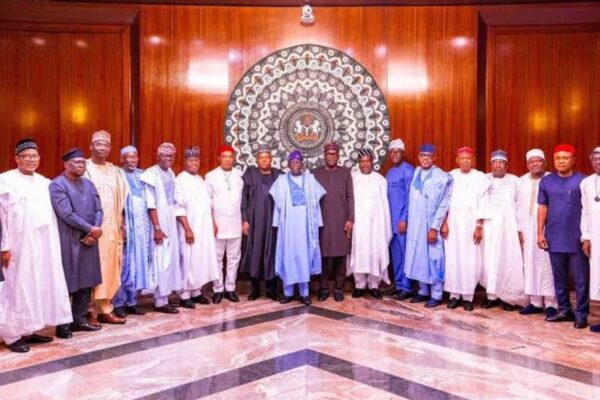
President Bola Tinubu has expressed his appreciation for the Nigeria Governors’ Forum following their unanimous endorsement of the four Tax Reform Bills currently under consideration by the National Assembly. President Tinubu lauded the governors for their bold leadership and commitment to fostering unity among leaders nationwide, transcending regional, ethnic, and political barriers to advance Nigeria’s development. Thursday’s productive consultation between the Nigeria Governors’ Forum and the Presidential Committee on Tax and Fiscal Policy is a commendable example of cooperation between the Federal and State governments. He extended special commendations to the Chairman of the Governors’ Forum, Kwara State Governor Abdulrahman AbdulRazaq, for successfully galvanising support among his peers for these transformative tax bills to rejuvenate the national economy and enhance Nigeria’s investment climate. He also commended the Progressive Governors Forum, the Northern Governors Forum, and all other groups that made the bipartisan resolution of the controversy stirred by the tax bills possible. President Tinubu underscored that the primary aim of the Tax Reform Bills, which is pro-poor, is to promote national interests, improve the competitiveness of Nigeria’s economy, and attract both local and foreign investments. He said updating the country’s outdated tax laws is essential to this endeavour. The President noted that the dialogue between the NGF and the Presidential Committee on Tax and Fiscal Policy Reform highlights the power of constructive conversation in resolving differences. President Tinubu regarded the governors as vital contributors to nation-building and affirms his commitment to partnering with them to promote economic growth, national harmony, peace, and stability. He also encouraged other stakeholders with ideas and suggestions for refining the Tax Bills to engage with the ongoing legislative process at the National Assembly. Finally, President Tinubu urged the National Assembly to expedite the legislative process for these crucial bills so that the country can swiftly reap the benefits of the reforms.

Read More