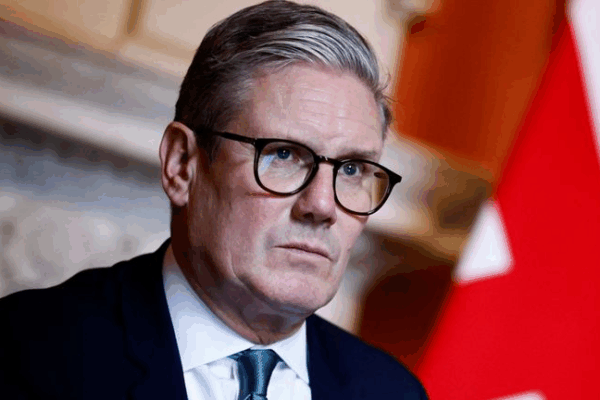
![Five Key Takeaways from Trump-Starmer Meeting in the UK Aylesbury, UK – September 18, 2025 — U.S. President Donald Trump and UK Prime Minister Keir Starmer presented a united front on major global issues during a joint press conference at Chequers, wrapping up Trump’s three-day visit to the United Kingdom. Despite recent tensions between Washington and European allies, the meeting underscored strong transatlantic ties as the two leaders discussed Ukraine, NATO, Gaza, Afghanistan, and more. 1. Trump Says Putin ‘Let Him Down’ Over Ukraine President Trump expressed frustration with Russian President Vladimir Putin over the prolonged war in Ukraine, admitting he underestimated the challenge of resolving the conflict. “I thought it would be easiest because of my relationship with President Putin, but he’s let me down,” Trump said. PM Starmer reiterated the UK’s commitment to supporting Ukraine, vowing to increase pressure on Russia and push for a lasting peace deal. 2. Divergence on Gaza, But Unity Against Hamas While both leaders condemned Hamas’s October 7, 2023 attack on Israel, they differed on the broader approach to the Gaza conflict. Trump avoided criticizing Israel’s ongoing military campaign, which has killed over 65,000 Palestinians, calling October 7 “one of the worst days in the history of humanity.” Starmer's previous pledge to recognize a Palestinian state was noted as a “point of disagreement,” but Trump praised the UK leader’s strong stance against Hamas. 3. Trump Praises NATO and Increased Defense Spending Once a vocal NATO critic, Trump struck a different tone, applauding the alliance’s commitment to boost defense spending. “I want to thank NATO and our wonderful head of NATO, Mark [Rutte]… They’ve done a great job,” he said, highlighting a new pledge for members to spend 5% of GDP on defense. Trump emphasized U.S. support in supplying weapons to NATO allies, stressing that the alliance was now “paying its fair share.” 4. Bagram Airbase Back in Focus Trump hinted at possible negotiations with the Taliban for the U.S. to regain access to the Bagram airbase in Afghanistan, which was vacated in 2021 during the Biden administration’s withdrawal. “We’re trying to get it back,” Trump said, citing its strategic location near China’s nuclear facilities. The Taliban, however, quickly dismissed the proposal, stating they welcome engagement with the U.S. but will not allow any foreign military presence. 5. Trump Weighs in on Kimmel Firing Trump also addressed the firing of late-night host Jimmy Kimmel by ABC, following political controversy over remarks involving conservative commentator Charlie Kirk. “Jimmy Kimmel was fired because he had bad ratings… He’s not a talented person,” Trump said, dismissing concerns about free speech and framing the firing as a business decision. Conclusion: The Trump-Starmer meeting reflected a broad effort to reinforce U.S.-UK ties amid ongoing global crises. While areas of disagreement remain, particularly on Middle East policy, both leaders signaled alignment on Ukraine, NATO, and global security cooperation.](https://trendbrio.com/wp-content/uploads/2025/09/USA-TRUMP-BRITAIN-AND-KEIR-STARMER-600x400.webp "Five Key Takeaways from Trump-Starmer Meeting in the UK")
Five Key Takeaways from Trump-Starmer Meeting in the UK
Aylesbury, UK – September 18, 2025 — U.S. President Donald Trump and UK Prime Minister Keir Starmer presented a united front on major global issues during a joint press conference at Chequers, wrapping up Trump’s three-day visit to the United Kingdom. Despite recent tensions between Washington and European allies, the meeting underscored strong transatlantic ties as the two leaders discussed Ukraine, NATO, Gaza, Afghanistan, and more. 1. Trump Says Putin ‘Let Him Down’ Over UkrainePresident Trump expressed frustration with Russian President Vladimir Putin over the prolonged war in Ukraine, admitting he underestimated the challenge of resolving the conflict.“I thought it would be easiest because of my relationship with President Putin, but he’s let me down,” Trump said.PM Starmer reiterated the UK’s commitment to supporting Ukraine, vowing to increase pressure on Russia and push for a lasting peace deal. 2. Divergence on Gaza, But Unity Against HamasWhile both leaders condemned Hamas’s October 7, 2023 attack on Israel, they differed on the broader approach to the Gaza conflict.Trump avoided criticizing Israel’s ongoing military campaign, which has killed over 65,000 Palestinians, calling October 7 “one of the worst days in the history of humanity.”Starmer’s previous pledge to recognize a Palestinian state was noted as a “point of disagreement,” but Trump praised the UK leader’s strong stance against Hamas. 3. Trump Praises NATO and Increased Defense SpendingOnce a vocal NATO critic, Trump struck a different tone, applauding the alliance’s commitment to boost defense spending.“I want to thank NATO and our wonderful head of NATO, Mark [Rutte]… They’ve done a great job,” he said, highlighting a new pledge for members to spend 5% of GDP on defense.Trump emphasized U.S. support in supplying weapons to NATO allies, stressing that the alliance was now “paying its fair share.” 4. Bagram Airbase Back in FocusTrump hinted at possible negotiations with the Taliban for the U.S. to regain access to the Bagram airbase in Afghanistan, which was vacated in 2021 during the Biden administration’s withdrawal.“We’re trying to get it back,” Trump said, citing its strategic location near China’s nuclear facilities.The Taliban, however, quickly dismissed the proposal, stating they welcome engagement with the U.S. but will not allow any foreign military presence. 5. Trump Weighs in on Kimmel FiringTrump also addressed the firing of late-night host Jimmy Kimmel by ABC, following political controversy over remarks involving conservative commentator Charlie Kirk.“Jimmy Kimmel was fired because he had bad ratings… He’s not a talented person,” Trump said, dismissing concerns about free speech and framing the firing as a business decision. Conclusion:The Trump-Starmer meeting reflected a broad effort to reinforce U.S.-UK ties amid ongoing global crises. While areas of disagreement remain, particularly on Middle East policy, both leaders signaled alignment on Ukraine, NATO, and global security cooperation.