
FG Plans Social Media Regulations, Age Restrictions To Safeguard Children Online

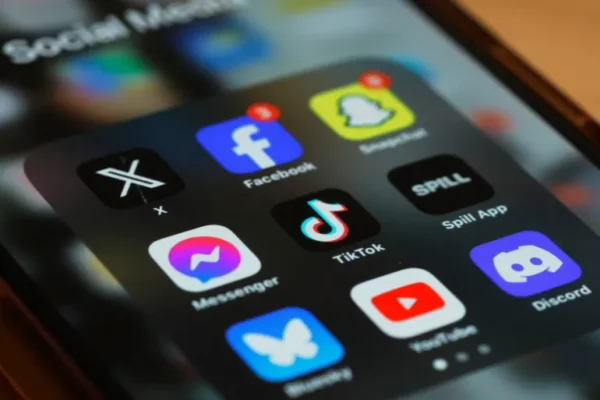
The Federal Government is considering new measures to protect children online, including age restrictions and enhanced social media regulations. Bosun Tijani, the Supervising Minister of Communications, Innovation, and Digital Economy, said on Monday that while the internet offers valuable opportunities for learning, creativity, and communication, it also exposes children to risks such as cyberbullying, harmful content, online exploitation, misuse of personal data, and emerging challenges linked to artificial intelligence tools. “As Nigeria explores policy options to safeguard children online, including age restrictions, improved age verification, platform accountability, and stronger regulatory oversight, it is crucial that public input is included to ensure policies reflect national priorities, uphold children’s rights, and align with Nigeria’s digital realities,” Tijani stated. He called on parents, educators, young people, and digital professionals to share their perspectives through a survey designed to shape evidence-based policies. The Ministry emphasized that any adopted framework must balance national interests with children’s rights while addressing the country’s fast-evolving digital landscape. Nigeria has seen rapid growth in internet and social media use over the past decade, largely driven by increased smartphone adoption and expanding mobile broadband networks. According to Dr. Vincent Olatunji, National Commissioner of the Nigeria Data Protection Commission (NDPC), over 40 million Nigerians now spend an average of six hours daily on social media.
Read More

Gabon Suspends Social Media Nationwide Amid Rising Unrest

The Gabonese government has announced a nationwide suspension of social media platforms “until further notice,” citing concerns that online content is fueling unrest and deepening social divisions. The decision was made public on Tuesday evening by the High Authority for Communication (HAC) during a televised address. HAC spokesperson Jean-Claude Mendome said the move was prompted by the spread of false information, cyberbullying, and the unauthorized sharing of personal data on digital platforms. While specific platforms were not named, widely used apps such as WhatsApp, Facebook, and TikTok are expected to be affected. As of Wednesday morning, social media services were still accessible, but many residents anticipate that the suspension could be enforced at any moment. The announcement comes during a politically sensitive period in Gabon. The country has been navigating a transition since the 2023 military coup led by Brice Oligui Nguema, who later won the 2024 presidential election with over 90 percent of the vote, ending more than five decades of Bongo family rule. Since taking office, the 50-year-old president has promised reforms and a departure from previous practices, including the frequent use of internet blackouts to control information. During the last election, independent and foreign media were allowed to film ballot counting, a first for the country. Despite these reforms, the government is now facing rising social and economic tensions. Teachers went on strike in December over unpaid salaries and poor working conditions, and similar disputes have spread to other public sectors, including healthcare and civil service, sparking broader unrest. Mendome explained that the suspension was aimed at curbing the repeated circulation of “inappropriate, defamatory, hateful, and insulting content” online. Gabonese citizens are now waiting to see whether the suspension will be fully enforced and how long it might last. With labour strikes ongoing and social grievances unresolved, the coming days are expected to test both the government’s authority and the resilience of the country’s digital economy.

Read More
Social media

Spain Moves To Ban Under 16’s From Social Media

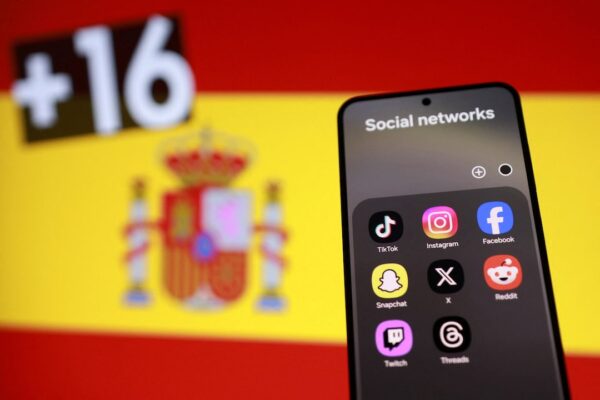
Spanish Prime Minister Pedro Sánchez has announced that his government will ban children under the age of 16 from accessing social media. “Platforms will be required to implement effective age verification systems — not just check boxes, but real barriers that work,” Sánchez said during an address to the plenary session of the World Government Summit in Dubai. “Today our children are exposed to a space they were never meant to navigate alone … We will protect [minors] from the digital Wild West.” The proposed ban, which is set to be approved by the country’s Council of Ministers next week, will amend a draft bill currently being debated in the Spanish parliament. Spain’s ban is included in a wider package of measures that Sánchez argued are necessary to “regain control” of the digital space. “Governments must stop turning a blind eye to the toxic content being shared,” he said. That includes a legislative proposal to hold social media executives legally accountable for the illegal content shared on their platforms, with a new tool to track the spread of disinformation, hate speech or child pornography on social networks. It also proposes criminalizing the manipulation of algorithms and amplification of illegal content. “We will investigate platforms whose algorithms amplify disinformation in exchange for profit,” Sánchez said, adding that “spreading hate must come at a cost — a legal cost, as well as an economic and ethical cost — that platforms can no longer afford to ignore.” Spain joins a growing chorus of European countries hardening their approach to restricting kids online. Denmark announced plans for a ban on under-15’s last fall, and the French government is pushing to have a similar ban in place as soon as September. In Portugal, the governing center-right Social Democratic Party on Monday submitted draft legislation that would require under-16’s to obtain parental consent to access social media.

Read More

Australia Officially Bans Social Media Use For Under-16s

Australia has officially enforced a ban on children under 16 using social media, with the law taking effect today, December 10. Prime Minister Anthony Albanese hailed the legislation as a “world-leading social media law” designed to protect children and give parents more control over their online activity. The Online Safety Amendment (Social Media Minimum Age) Bill 2024, passed last November, now restricts access to major platforms including Instagram, Facebook, TikTok, X, Snapchat, YouTube, Reddit, and Kick. Under the new rules, social media companies are required to take reasonable measures to prevent underage users from creating accounts. Previously, most platforms allowed users aged 13 and above, but enforcement had been weak, with many children under the minimum age still active online. Albanese said the law is aimed at allowing children to “be kids” while encouraging stronger conversations between parents and their children about online safety. Experts have long warned that excessive social media use can affect young users’ mental health, though it also offers access to information and support networks. Australia’s move follows similar proposals in Denmark and Norway, which are looking to restrict social media access for children under 15.

Read More

DSS Arrests Man in Rivers Over Social Media Call for Military Coup

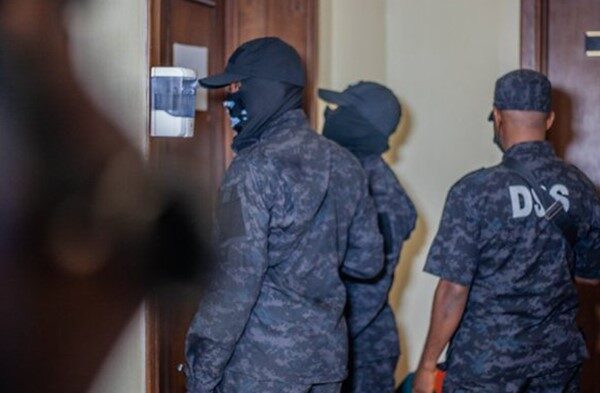
The Department of State Services (DSS) says it has arrested a man in Oyigbo, Port Harcourt, Rivers State, after tracing social media posts that urged the military to overthrow the federal government. Security operatives detained Innocent Chukwuma — who posts under the handle @TheAgroman on X — following a series of messages in which he called for a “coup in Nigeria” and urged citizens to back the military to “suspend the Nigerian government.”In one post quoted by investigators, Chukwuma wrote: “A coup in Nigeria is needed. Dispose of APC, suspend the Nigerian Government, and join the AES. That is all we need now.” He added in a separate message that “the military needs your support now! Only them can save this country.” The DSS confirmed the arrest and said the suspect is cooperating with investigators, according to sources. Further details about the arrest, including whether formal charges have been filed, were not immediately available. Authorities have in recent years monitored online calls for violence and unlawful change of government more closely, saying such messages can undermine national security and public order. The DSS did not release a formal statement on the case at the time of reporting. Local residents in Oyigbo told reporters that the arrest was carried out quietly and that security agents removed the suspect without incident. Neighbours described Chukwuma as active on social media but not previously known for violent behaviour. The matter may attract further scrutiny from law enforcement and prosecutors as investigators review the posts and the suspect’s contacts and motives. The DSS has in the past warned Nigerians against using social platforms to incite violence or promote undemocratic actions. We will update this story as more information becomes available from official sources.

Read More
Sultan of Sokoto Urges Regulation of Social Media to Prevent Abuse and Promote National Unity

Sultan of Sokoto Urges Regulation of Social Media to Prevent Abuse and Promote National Unity

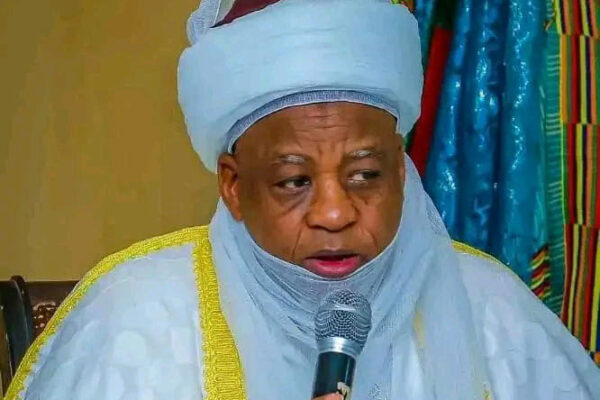
The Sultan of Sokoto, Alhaji Sa’ad Abubakar III, has urged the regulation of social media in Nigeria, citing its growing misuse as a threat to peace, unity, and mutual respect in the country. Addressing the Northern Ulamah Summit on insecurity and socioeconomic challenges in Kaduna through the Emir of Zazzau, Ambassador Ahmad Nuhu Bamalli, the Sultan expressed concern over how social media is being abused, even by scholars. He warned that unmonitored online activity allows anyone to insult others without consequences. “Anyone can wake up, pick up their phone, and insult anyone—whether a respected individual, a leader, a neighbour, or even a family member. There are no laws, no consequences, and no one to challenge this behaviour,” the Sultan said. He added that other countries regulate social media, ensuring that posts that cause division or unrest can be traced and punished, and called for Nigeria to implement similar measures. The summit, organized by the Congregation of Northern Ulamas, brought together Islamic scholars, political leaders, and stakeholders from northern Nigeria to discuss ways to tackle insecurity, strengthen religious harmony, and enhance the role of scholars in national development. Dr. Bashir Aliyu Umar, President of the Supreme Council for Sharia in Nigeria, stressed the need for unity and responsible communication. “We must rise above our differences. The Qur’an and Sunnah guide us to work together for peace, justice, and good relationships,” he said, warning against the spread of misinformation online that fuels conflict. Prominent Islamic scholar Sheikh Ahmad Gumi also highlighted the importance of responsible online engagement, cautioning against defamation while rejecting complete censorship. “Existing laws against false accusations and defamation should be updated to match the speed and universality of social media,” he noted. Other respected clerics present included Sheikh Ibrahim Khalid, Sheikh Abubakar Jahid, Sheikh Abdullahi Bala Lau, Sheikh Kabiru Gombe, Sheikh Khalid Aliyu (JNI), Dr. Bashir Dahiru Bauchi, Malam Nafiu Baba Ahmed, and Sheikh Maihula. Former Zamfara State Governor, Senator Abdulaziz Yari, called on northern communities to take responsibility for local security challenges, noting that many violent incidents are perpetrated by residents themselves. Representing the Speaker of the House of Representatives, Hon. Alhassan Ado-Doguwa pledged legislative support to implement the summit’s recommendations. Senator Kawu Samaila of Kano addressed international claims of religious persecution in Nigeria, describing them as false and emphasizing peaceful coexistence between Muslims and Christians. The summit concluded with a strong call for verified, responsible communication by scholars and the public, underlining the need for unity, peace, and accountability both online and offline.  

Read More

FG Reaffirms Commitment to Fair Representation in Appointments

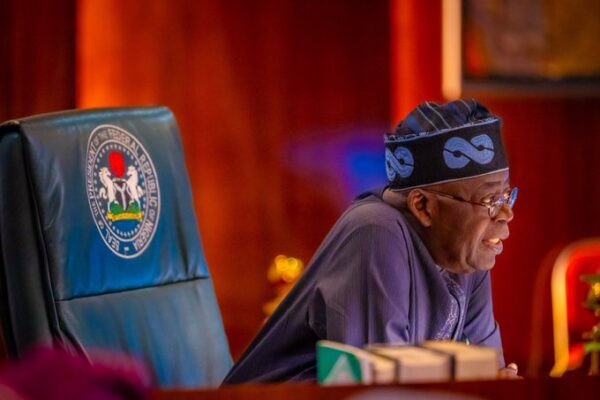
The Federal Government has refuted claims of lop-sidedness regarding the composition of Federal appointments, just as its emphasizes unwavering commitment to the principles of fairness, equity, and national unity. Office of the Secretary to the Government of the Federation (OSGF) in a statement on Friday urged the public to discard the recent insinuations circulating, particularly on social media. “All appointments are made in strict adherence to federal character principle, as enshrined in Section 14 of the Constitution of the Federal Republic of Nigeria, 1999 (as Altered). “It is notable to mention that, His Excellency, President Bola Ahmed Tinubu, GCFR, believes strongly in the unity of Nigeria and is guided by the ideals of fairness and tenets of justice in all appointments. “This Administration is dedicated to ensuring that all regions and demographics of the country are adequately represented in its institutions and agencies. “Inquiries with respect to this matter can be channeled through the Office of the Secretary to the Government of the Federation which is the official custodian of such appointments,” the statement read. The OSGF therefore, urged the public to disregard unfounded speculations and rely on official Government sources for accurate information, stressing that the Government remains steadfast in its pursuit of a prosperous, united and equitable Nigeria, in line with the Renewed Hope Agenda of this Administration. Pokers of embers of hate and disunity who carry tendentious and unfounded allegations should never be taken seriously by Nigerians.

Read More

Chelle raises alarm over fake social media account

Super Eagles’ manager, Eric Chelle has stated that he currently manages no other social media handles other than his Instagram page. The official Super Eagles’ twitter handle, @NGSuperEagles, posted this disclaimer on Saturday. “DISCLAIMER. “Please be advised that Super Eagles Head Coach, Eric Chelle, does not possess an X account. “Exercise caution and be wary of scams or any misleading information.”

Read More