
Tinubu Sends Three Names to Senate for Ambassadorial Appointments

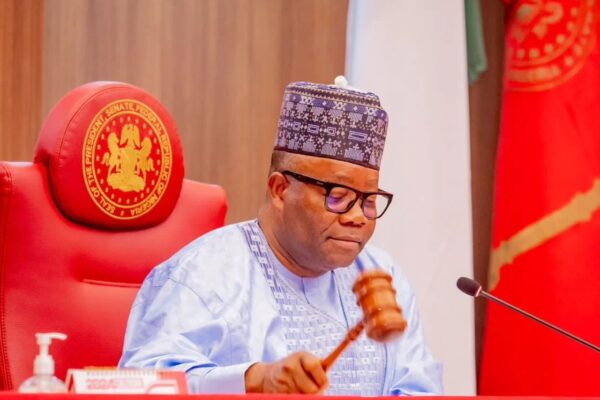
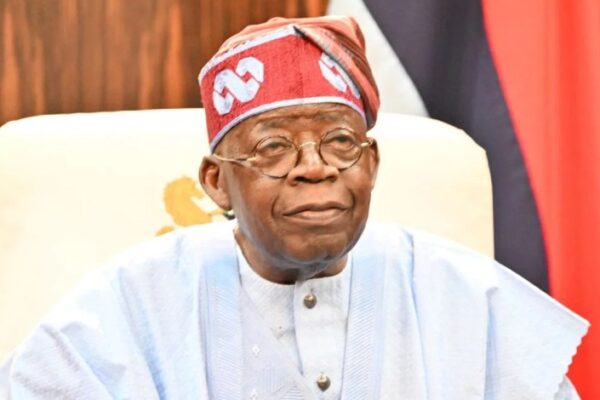
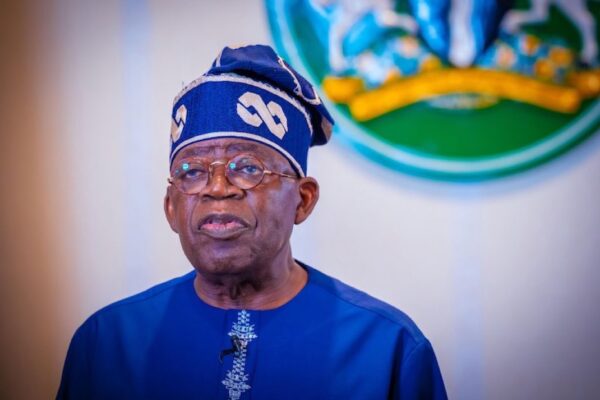
President Bola Tinubu has forwarded three names for non-career ambassadorial appointments to the Senate for confirmation. Senate President Godswill Akpabio announced the submission during Wednesday’s plenary session. The nominees are Kayode Are from Ogun State, Aminu Dalhatu from Jigawa, and Ayodele Oke. “The list contains three names for now, I am sure others will follow,” Akpabio said while presenting the letter from President Tinubu to the Senate.

Read More

Senate Approves Bill to Ban Recruitment of Under-18s into Nigerian Military

The Nigerian Senate has advanced the Armed Forces (Repeal and Re-enactment) Bill, 2025 for a second reading, signaling a major step toward prohibiting the recruitment of individuals under 18 into the country’s military. The bill, sponsored by Senator Abdulaziz Yar’Adua of Katsina Central, proposes repealing the Armed Forces Act of 2004 and replacing it with a modern framework that aligns with Nigeria’s democratic values and current security needs. The legislation also brings Nigeria’s military laws in line with international and regional child protection standards, including the Child Rights Act of 2003, the United Nations Convention on the Rights of the Child, and the African Charter on the Rights and Welfare of the Child. Senator Yar’Adua said the reform was long overdue, emphasizing that the existing law, rooted in a military-era decree, no longer reflects democratic principles. “Our armed forces are a symbol of unity and pride, but the laws guiding them have not evolved with our democracy. This bill rebuilds the military’s legal foundation to reflect justice, professionalism, and respect for human rights,” he said. In addition to banning underage enlistment, the bill introduces significant reforms, including clearer definitions of military offences, fairer punishments, and stronger protection for courts-martial by criminalising interference from superior officers — a measure aimed at preventing abuse of authority within the armed forces.

Read More

Senate Approves ₦1.15 Trillion Loan For President Tinubu To Cover 2025 Budget

The Nigerian Senate has approved President Bola Tinubu’s request to borrow ₦1.15 trillion from the domestic debt market to cover a shortfall in the 2025 budget. The approval came on Wednesday after lawmakers adopted the report of the Senate Committee on Local and Foreign Debt during plenary. The committee noted that the 2025 Appropriation Act set total government spending at ₦59.99 trillion, exceeding the initial executive proposal of ₦54.74 trillion by ₦5.25 trillion. This created a budget deficit of ₦14.10 trillion. With ₦12.95 trillion already approved for borrowing, the new loan will fill the remaining ₦1.15 trillion gap. Senators also backed a motion by Senator Abdul Ningi, urging the Appropriations Committee to enhance oversight and ensure the borrowed funds are used solely for the projects and programmes outlined in the 2025 fiscal plan. President Tinubu had written to the National Assembly on November 4, explaining that the funds were needed to bridge the financing gap and support the execution of key government initiatives.

Read More

Senate Directs Full Enforcement Of Sachet Alcohol Ban From December 2025

The Senate has directed NAFDAC and other relevant regulatory agencies to fully enforce the ban on high-strength alcoholic beverages packaged in sachets starting December 2025. Lawmakers stressed that no further extensions beyond the current moratorium would be granted. The decision followed a motion by Senator Asuquo Ekpeyong, urging an end to delays in phasing out sachet-packaged alcohol. In his remarks, Ekpeyong highlighted that NAFDAC, in line with international standards and after consultations with industry stakeholders, had initiated a phased ban on the importation, production, and distribution of alcohol in sachets. He recalled that in 2018, stakeholders including the Federal Ministry of Health, the Federal Competition and Consumer Protection Commission (FCCPC), NAFDAC, and industry groups such as the Association of Food, Beverage & Tobacco Employers (AFBTE) and the Distillers and Blenders Association of Nigeria (DIBAN) signed a five-year Memorandum of Understanding (MoU) to gradually phase out these products. The MoU cited concerns over affordability, portability, and accessibility, especially among children, adolescents, commercial drivers, and other vulnerable groups. Although the initial deadline passed, the government granted manufacturers a one-year extension in 2024 to allow them to deplete existing stock and transition to compliant packaging, setting the new phase-out deadline for December 2025. Ekpeyong warned that some manufacturers are lobbying for another extension, a move he said undermines regulatory authority, endangers public health, and disrupts fair competition. He noted that continued production of sachet alcohol contributes to youth addiction, road accidents, school dropouts, domestic violence, and other social problems. The Senate further instructed the Federal Ministry of Health to remove any obstacles preventing NAFDAC from enforcing the ban. Lawmakers also urged the ministry to expedite the release of the National Alcohol Policy, which should explicitly prohibit sachet packaging of high-strength alcohol and promote public awareness campaigns.

Read More
Senate Steps In To End ASUU Strike, Sets Meeting With Education Minister And NUC

Senate Approves Up To 14-Year Jail Term For Sexual Harassment In Tertiary Institutions

The Senate has approved a new law prescribing prison terms of five to 14 years, without the option of a fine, for anyone found guilty of sexually harassing students in Nigeria’s tertiary institutions. On Tuesday, lawmakers passed the Sexual Harassment of Students (Prevention and Prohibition) Bill, 2025 (HB.1597), during its third reading. Senate Leader Senator Opeyemi Bamidele (APC, Ekiti Central), who presented the bill for concurrence, said it is designed to protect students from all forms of sexual misconduct while providing a clear legal framework for punishing offenders. “The Bill is enacted to promote and protect ethical standards in tertiary education, the sanctity of the student-educator relationship of authority, dependency, and trust, and respect for human dignity in educational institutions,” Bamidele said. Under the law, anyone convicted of sexual harassment faces up to 14 years in prison and not less than five years. Lesser offences carry two to five years in jail, with fines explicitly prohibited. The legislation also allows students or their representatives to initiate civil actions against educators for breach of fiduciary duty. Institutions may conduct internal disciplinary proceedings, but such processes must be suspended if a criminal case on the same matter is pending in court. Sexual harassment is defined in the bill to include “grabbing, hugging, kissing, rubbing, or touching the breasts, hair, lips, hips, or any other sensual part of the body of a woman; displaying, giving, or sending sexually explicit pictures or materials; whistling, winking, making sexual remarks, or stalking a student.” The law clarifies that consent by the student is not a valid defence, except where the educator and student are legally married. Complaints can be filed in writing by the affected student, a relative, guardian, or lawyer to the Nigeria Police Force or the Attorney-General, with copies sent to the Independent Sexual Harassment Committee of the relevant institution. During the debate, some lawmakers called for the bill to extend beyond students. Senator Adams Oshiomhole (APC, Edo North) argued, “There is no need to restrict sexual harassment issues to students. We should craft this law in a way that gives it universal application.” Deputy Senate President Barau Jibrin (APC, Kano North), who presided over the session, noted that the bill is a concurrence from the House of Representatives and could not be substantially altered, adding that existing laws already address sexual harassment in workplaces and other sectors. The Senate passed the bill unanimously, hailing it as a significant step toward ending sexual abuse and safeguarding the rights of students in Nigeria’s higher education institutions.

Read More

Who Am I To Reply Trump? Akpabio Says Senate Will Wait For Government Briefing On Genocide Claims

Senate President Godswill Akpabio has urged caution over U.S. President Donald Trump’s allegations of genocide against Christians in Nigeria, saying the Senate would not rush to respond until it receives an official briefing from the federal government. Speaking during Tuesday’s plenary, Akpabio disclosed that many Nigerians had been calling on him to personally react to Trump’s statement but maintained that only due process would guide the Senate’s response. “Nigerians want us to take a position. But we won’t take a position on that until we know what the government is doing about it,” Akpabio said. He added, “Who am I to reply Trump?” stressing that the Senate could only deliberate on issues that have been formally presented before it. Trump had recently declared Nigeria a “Country of Particular Concern,” accusing the government of allowing the killing of Christians. His statement was followed by a post from U.S. Secretary of War, Pete Hegseth, who claimed his department was “preparing for action.” Akpabio emphasized that the claims did not reflect Nigeria’s reality, insisting that the country remains united despite its internal challenges. “All we need is peace,” he said, warning against individuals who take domestic issues abroad to paint a false picture of religious conflict. Deputy Senate President Barau Jibrin, however, interjected, saying Nigeria must not be afraid to assert its sovereignty. “We’re not afraid. Don’t be scared. I am a Nigerian. I am a parliamentarian. Nigeria is a sovereign nation,” Barau said. Akpabio also warned against the dangers of fake news on social media and urged security agencies to closely monitor online platforms. “This is necessary so that their breaking news doesn’t break Nigeria,” he added. "I'm not scared of Trump. I can say my mind. I'm Nigerian, Nigeria is a sovereign nation. I am a parliamentarian, and he is saying lies about our country." – Deputy Senate President Sen Barau Jibrin. pic.twitter.com/7X50f1vMbu — Imran Muhammad (@Imranmuhdz) November 4, 2025

Read More
Senate Confirms Dr. Bernard Doro As Minister Of The Federal Republic Of Nigeria

Senate Confirms Dr. Bernard Doro As Minister Of The Federal Republic Of Nigeria

The Senate on Thursday confirmed Dr. Bernard Doro as a minister of the Federal Republic of Nigeria, paving the way for him to join the Federal Executive Council. During a brief screening that lasted under 30 minutes, lawmakers lauded Doro’s extensive experience and leadership credentials. The Plateau-born technocrat, the third minister from the state in the current administration, pledged to uphold transparency and fairness in Nigeria’s humanitarian programs. “I will create a humanitarian ecosystem that is inclusive, guided by impartiality and independence,” Doro assured senators. The lawmakers, satisfied with his background and vision, approved his nomination without objection. President Tinubu had previously written to the Senate requesting Doro’s confirmation in accordance with Section 147(2) of the 1999 Constitution (as amended). Senate President Godswill Akpabio read the letter in plenary and referred it to the Committee of the Whole for immediate action. Doro succeeds Professor Nentawe Yilwatda, who was recently appointed National Chairman of the ruling All Progressives Congress (APC). According to presidential spokesman Bayo Onanuga, Doro is a highly qualified professional with over 20 years of experience in clinical practice, pharmaceutical management, and strategic leadership in both Nigeria and the United Kingdom. Born on January 23, 1969, in Kwall, Bassa Local Government Area of Plateau State, Doro holds degrees in Pharmacy and Law, an MBA in IT-driven business strategy, and a Master’s in Advanced Clinical Practice. “He is an Independent Prescriber and Advanced Clinical Practitioner with NHS frontline experience across urgent care, walk-in centres, GP practices, and hospital settings,” Onanuga added. Following his confirmation, Doro is expected to be sworn in at the next Federal Executive Council meeting.

Read More

Nigerian Senate Passes Bill Mandating Life Imprisonment For Child Defilers

The Nigerian Senate has passed a landmark bill mandating life imprisonment for anyone found guilty of sexually abusing minors. The legislation stipulates that any individual, male or female, who engages in sexual intercourse with a child will face life imprisonment without the option of a fine. Senator Adams Oshiomhole of Edo North initially proposed a 20-year jail term for perpetrators, emphasizing that defiling a minor should not be treated the same as rape. “A minor cannot give consent, and such acts can cause lifelong trauma. Those involved deserve severe punishment, especially in cases involving children as young as five or ten,” he said. Oshiomhole’s proposal was rejected by the majority of senators. Senator Muhammad Adamu Aliero of Kebbi Central then introduced a tougher amendment, recommending life imprisonment for anyone convicted of defiling a minor, regardless of gender. “The punishment for the defilement of minors must be life imprisonment,” Aliero declared. The Senate adopted Aliero’s amendment, officially passing the bill that imposes life imprisonment on pedophiles and child defilers.

Read More