UCH Resident Doctors Resume Work After Month-Long Nationwide Strike

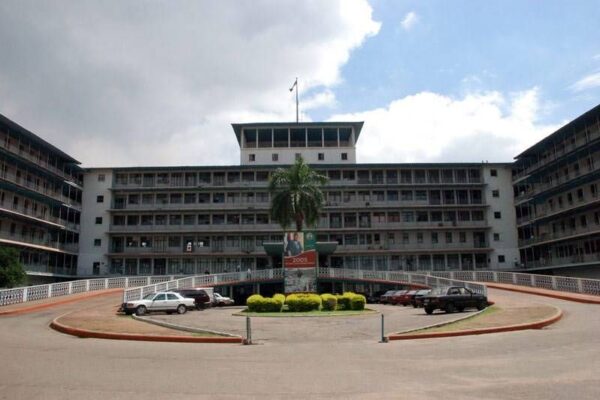
Resident doctors at the University College Hospital (UCH), Ibadan, have resumed work after a month-long nationwide strike. The industrial action, which began on November 1, was initiated by the Nigerian Association of Resident Doctors (NARD) after the government failed to meet their demands. The doctors had called for a 200 percent increase in the Consolidated Medical Salary Structure, full implementation of new allowances proposed since July 2022, immediate recruitment of clinical staff, and the removal of bureaucratic delays affecting the replacement of existing doctors. Dr. Gboyega Ajibola, President of UCH NARD, said the NARD National Executive Council met on November 29 to reassess the situation and determined that the government had satisfied most of their immediate and short-term demands. He added that a Memorandum of Understanding (MoU) was signed with the government, outlining the association’s demands and the timelines for implementation. “Based on the satisfactory terms of the MoU, the NARD NEC decided to suspend the industrial action and give the government four weeks to execute the agreed points,” Ajibola explained. In line with NARD protocol, each centre held a congress on December 1 to brief members on the development. Following the briefing, centre presidents instructed all resident doctors to return to their duty posts. Ajibola confirmed that all resident doctors at UCH resumed work on Monday.

Read More

Nigerian Resident Doctors Launch Indefinite Strike Over Unmet Government Agreements

The Nigerian Association of Resident Doctors (NARD) has officially begun an indefinite strike to press for the fulfillment of their demands, the association’s president, Dr. Mohammad Suleiman, announced on Saturday via NARD’s official platform. The strike follows the expiration of a 30-day ultimatum previously issued to the Federal Government, which Suleiman says repeatedly failed to honour agreements reached after several rounds of dialogue. Suleiman acknowledged the disruption the strike would cause, stating that the decision was not made lightly. “Our demands are not for personal gain or political reasons,” he said. “They are essential for the survival of Nigeria’s health system and the welfare of every citizen who depends on it.” He explained that resident doctors face excessive workloads, inadequate pay, delayed arrears, poor working conditions, and insufficient medical infrastructure—factors that directly affect patient care. “Doctors who are overworked and underpaid cannot provide the quality care Nigerians deserve,” he said. Suleiman urged Nigerians, civil society organizations, labour unions, and community leaders to support the strike, emphasizing that it is a fight for a fair and functional healthcare system. “This is not a conflict between doctors and the government. It is about ensuring that doctors can work effectively, motivated, and with the tools necessary to save lives,” he said. He warned that the long-term consequences of inaction could be severe. “If doctors are demoralized or forced to seek opportunities abroad, patients will suffer. We appeal to the government to address our demands urgently so hospitals can reopen, doctors can return to duty, and Nigerians can access the care they need.” Earlier on Thursday, resident doctors in Abuja announced their participation in NARD’s strike due to unresolved issues with the Federal Capital Territory Administration. NARD had initially declared its intention to start the indefinite strike on Saturday, 1st November 2025.

Read More

NARD Orders Resident Doctors To End 24-Hour Shifts Amid Dangerous Workload

The Nigerian Association of Resident Doctors (NARD) has raised alarm over Nigeria’s doctor-to-patient ratio of 1:9,083, describing it as far below international standards. In a statement released on the country’s 65th Independence Day, NARD announced that, effective October 1, 2025, resident doctors nationwide will no longer take continuous calls exceeding 24 hours. Signed by NARD President Dr. Mohammad Suleiman, Secretary-General Dr. Shuaibu Ibrahim, and Publicity and Social Secretary Dr. Abdulmajid Ibrahim, the statement highlighted the extreme pressures faced by doctors. “With over 240 million people and only around 11,000 resident doctors, Nigeria falls far short of global best practice,” NARD said. The association revealed that resident doctors work an average of 106.5 hours weekly, while surgical residents endure more than 122.7 hours, amounting to four to five 24-hour call shifts each week. “This excessive workload jeopardizes patient care and the health of doctors, increasing the risk of medical errors and placing severe mental, physical, and psychological strain on medical professionals,” the statement read. NARD also warned of the human cost, saying, “Resident doctors often sacrifice their health—and sometimes their lives—in service to patients. Early-career doctors have tragically died. Who then cares for their families? How many more lives must be lost before urgent action is taken?” The new directive mandates a call-free period after each 24-hour shift, a step NARD described as essential for doctors’ wellbeing and in line with the Hippocratic Oath.  

Read More