
Study Shows Petrol Subsidy Removal Raised Poverty To 63% Before Social Relief Measures

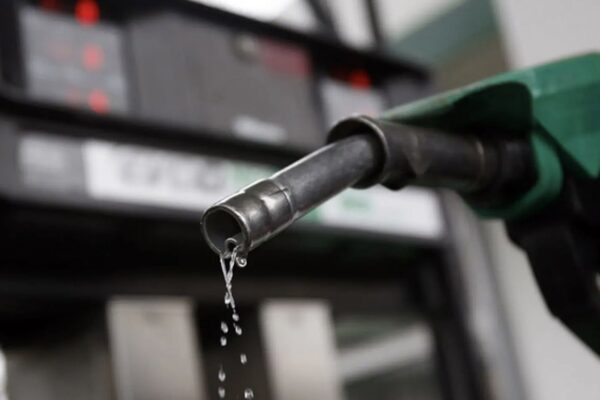
A new study has shown that the removal of the petrol subsidy significantly increased the cost of living and pushed Nigeria’s poverty rate to around 63 percent before any government support measures were provided. The findings were presented at a Stakeholders’ Dialogue organised by Agora Policy in Abuja, under the theme Sustaining and Deepening Economic Reforms in Nigeria. Dr. Mohammed Shuaibu of the University of Abuja led the research, which examined the social and economic effects of key federal government reforms, including the fuel subsidy removal and electricity tariff adjustments. Shuaibu noted that ending the petrol subsidy caused a sharp rise in prices across the economy, reducing household purchasing power and worsening poverty indicators. “After the subsidy removal, poverty increased from a baseline of about 50 percent to 63 percent. When social protection programmes like cash transfers were introduced, the poverty rate eased to around 56.2 percent,” he said. The study pointed out that the relief from social programmes was limited due to delays in implementation and the relatively small scale of support. While the reforms aimed to correct long-standing economic distortions, their immediate impact was severe for vulnerable households. The research highlighted that higher-income households were largely insulated from the short-term effects, while lower-income families faced rising prices and reduced consumption. “Household consumption declined across the board following both the subsidy removal and electricity tariff adjustments. Social transfers helped cushion the impact, especially for low-income households,” Shuaibu added. The study also assessed the electricity tariff reform, which initially raised consumer prices by about 0.26 percent, increasing to 0.52 percent after factoring in social protection measures. The reform produced a modest positive effect on economic growth, with real GDP rising by roughly 0.42 percent under the reform scenario before moderating to 0.21 percent.
Read More

US Forces Storm Cargo Ship Travelling From China to Iran: Report

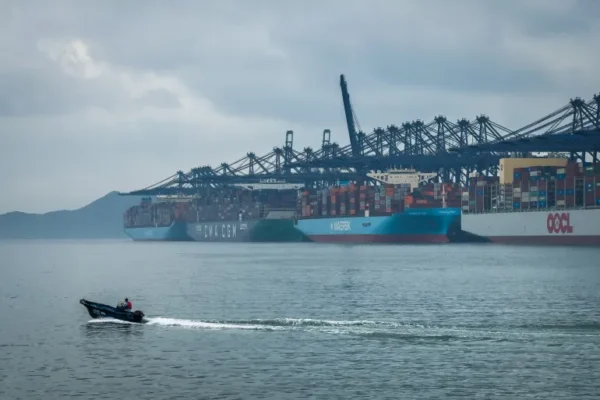
United States forces reportedly raided a cargo ship travelling from China to Iran in November, marking the latest example of increasingly aggressive maritime tactics by the administration of President Donald Trump. According to a report by The Wall Street Journal published on Friday, US military personnel boarded the vessel several hundred miles from Sri Lanka. Unnamed officials said the incident marked the first time in several years that US forces had intercepted cargo travelling from China to Iran. The operation took place weeks before US authorities seized an oil tanker off the coast of Venezuela earlier this week, citing alleged sanctions violations. Officials described the November raid as another step in a pattern of actions Washington has not taken in years. US Indo-Pacific Command did not immediately confirm the report. However, an official told the newspaper that materials seized during the operation were “potentially useful for Iran’s conventional weapons.” The official added that the items were considered dual-use, meaning they could have both civilian and military applications. Sources said the ship was allowed to continue its journey after the interdiction, which reportedly involved US special operations forces. Iran remains under extensive US sanctions. Neither Tehran nor Beijing immediately responded to the report, though China, a key trading partner of Iran, has consistently criticised US sanctions as illegal. Earlier on Friday, China’s Foreign Ministry spokesperson Guo Jiakun condemned the seizure of a Venezuelan oil tanker by US forces, which was taken to a port in Texas. Guo said Beijing opposes unilateral sanctions and what it described as “long-arm jurisdiction” without authorisation from the United Nations Security Council. The latest maritime action comes amid heightened US pressure on Venezuela, a move Caracas has accused Washington of pursuing in an effort to undermine President Nicolas Maduro’s government. Meanwhile, White House spokesperson Karoline Leavitt told reporters on Thursday that the Trump administration would not rule out additional vessel seizures near Venezuela in the future.

Read More