

Tinubu Nominates Magnus Abe As NUPRC Chairman, Sends 20 Others For Senate Approval

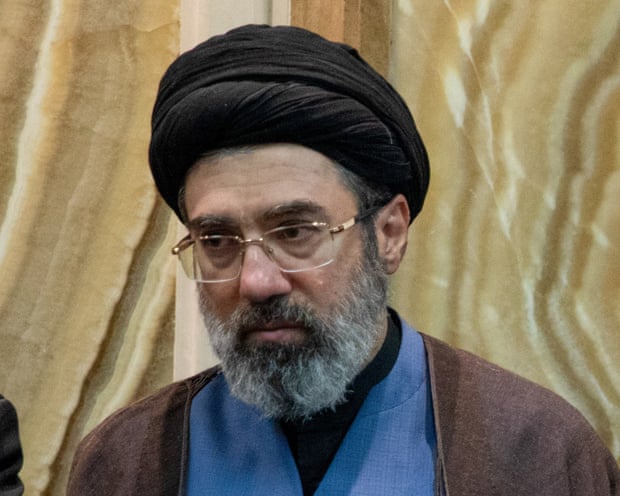
President Bola Tinubu has nominated former Rivers South-East senator Magnus Abe as chairman of the Nigerian Upstream Petroleum Regulatory Commission (NUPRC) and forwarded 20 other nominees to the Senate for confirmation to serve on the boards of the NUPRC and the Nigerian Midstream and Downstream Petroleum Regulatory Authority (NMDPRA). Presidential spokesman Bayo Onanuga said in a statement on Monday that the president also requested the Senate to expedite the confirmation of the nominees. Abe, a two-term senator, previously served on the board of the Nigerian National Petroleum Corporation (NNPC) and currently chairs the National Agency for the Great Green Wall. Other NUPRC board nominees include Paul Yaro Jezhi, former Trade Union Congress (TUC) chairman in Kaduna State, and Sunday Adebayo Babalola, a former deputy director at the defunct Department of Petroleum Resources (DPR), both nominated as non-executive commissioners. Executive positions on the NUPRC board include Muhammed Sabo Lamido (finance), Edu Inyang (exploration and acreage), Justin Ezeala (economic regulation and strategic planning), Henry Darlington Oki (development and production), Indabawa Bashari Alka (corporate services and administration), and Mahmood Tijani (health, safety, and environment). Olayemi Adeboyejo was nominated as secretary and legal adviser. While Lamido and Adeboyejo were appointed under former President Muhammadu Buhari in 2022, and Alka by Tinubu in 2023, Inyang, Ezeala, Tijani, Babalola, and Jezhi are new nominees. For the NMDPRA board, Tinubu nominated Adegbite Ebiowei Adeniji as chairman. Adeniji, a lawyer with over 30 years of experience in energy and natural resources, previously served as Special Technical Adviser to the Minister of State for Petroleum and was part of the World Bank Oil and Gas Policy team advising Nigeria on sector reforms. He is currently managing partner at ENR Advisory. Other NMDPRA nominees include Kenneth Kobani and Asabe Ahmed as non-executive members, while executive director positions went to Abiodun Adeniji (finance), Francis Ogaree (hydrocarbon processing plants), Oluwole Adama (midstream and downstream gas infrastructure), Mustapha Lamorde (corporate services and administration), Yahaya Nasamu Yinusa (distribution systems), Adeyemi Murtala Aminu (corporate services), Modie Ogechukwu (economic regulation and strategic planning), and Olawale Dawodu (board secretary and legal adviser). The nominations follow the recent appointments of Oritsemeyiwa Eyesan as CEO of NUPRC and Saidu Aliyu Mohammed as CEO of NMDPRA. President Tinubu urged all nominees to discharge their duties with professionalism in regulating Nigeria’s oil and gas sector.

Read More

Senate Confirms Oritsemeyiwa Eyesan As NUPRC CEO, Saidu Mohammed As NMDPRA CEO

The Nigerian Senate has approved the appointments of Oritsemeyiwa Amanorisewo Eyesan as Chief Executive Officer of the Nigerian Upstream Petroleum Regulatory Commission (NUPRC) and Engineer Saidu Aliyu Mohammed as CEO of the Nigerian Midstream and Downstream Petroleum Regulatory Authority (NMDPRA). The nominations, made by President Bola Tinubu, were expedited by the upper chamber to ensure uninterrupted regulation of Nigeria’s petroleum sector. Eyesan, a petroleum economist, has over 30 years of experience in the oil and gas industry, having served in various capacities within the Nigerian National Petroleum Company Limited (NNPCL) and its subsidiaries, with a strong focus on upstream operations. Mohammed, a chemical engineer, is well-regarded for his expertise in refining, gas management, and policy formulation, having held several senior leadership roles in the sector. The appointments come amid recent leadership changes in the regulatory agencies, part of broader efforts to enhance oversight and improve efficiency across the upstream, midstream, and downstream petroleum segments under the Petroleum Industry Act (PIA). Both CEOs are expected to strengthen investor confidence, ensure strict regulatory compliance, and advance Nigeria’s domestic refining and gas development initiatives.

Read More

Nigeria Meets 96% of OPEC Quota In August

By Prince Iroka Nigeria’s upstream oil sector recorded a year-on-year increase in output, averaging 1.63 million barrels per day (bopd) of crude oil and condensates in August 2025, up from 1.58 million bopd in the same period last year. This is based on Crude Oil and Condensate Production for August 2025, released by the Nigerian Upstream Petroleum Regulatory Commission (NUPRC) at the weekend. A breakdown of August 2025 production comprises 1.43 million bopd of crude oil, which grew 5.47 per cent compared to August last year, which posted a daily crude oil average of 1.36 million bopd. This reflects a steady recovery and improved operational performance across the industry. Daily condensate production in August stood at 197,229 bpd, reflecting a slight decline from 220,435 bpd in August 2024. Notably, Nigeria’s crude oil output in August met 96 per cent of its OPEC quota, which is set at 1.5 million bopd. This demonstrates the country’s capacity to meet its production targets under the OPEC agreement. On a month-on-month basis, there was a slight 4.7 per cent drop in combined crude oil and condensate production from 1.71 million bopd in July. Similarly, crude oil production itself declined by 4.8 per cent, down from 1.5 million bopd in July 2025. The month-on-month drop was driven by a single day unscheduled maintenance at an oil facility. In the month of August, the lowest and peak combined crude and condensate production were 1.59 million bopd and 1.85 million bopd respectively. In the review month, Forcados Terminal topped the production charts, delivering a total of 8.99 million barrels, including 8.08 million barrels of crude oil and 915.2k barrels of condensates. Following closely was Bonny Terminal, which produced a combined 6.26 million barrels, consisting of 5.8 million barrels of crude and 418.27k barrels of condensates. Meanwhile, Qua Iboe Terminal recorded a total of 4.99 million barrels, with 4.94 million barrels of crude and 50.5k barrels of condensates. Escravos Oil Terminal also made a solid contribution, producing 4.18 million barrels, comprised of 4.08 million barrels of crude oil and 107k barrels of condensate.

Read More