Distillers, Labour Unions Protest Sachet Alcohol Ban At NAFDAC Office In Lagos

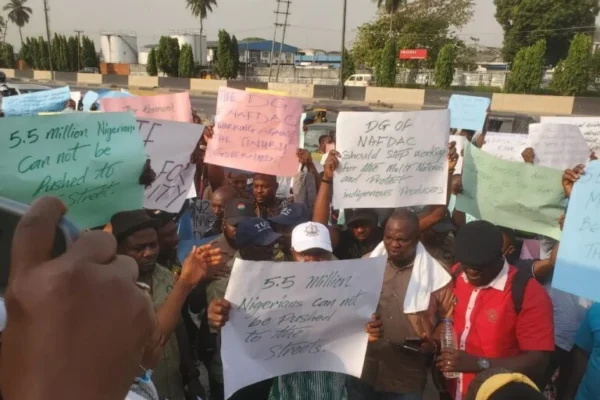
Members of the Distillers and Blenders Association of Nigeria staged a protest on Friday at the Lagos State office of the National Agency for Food and Drug Administration and Control (NAFDAC) over the ban on the production and sale of alcoholic beverages in sachets. The demonstration saw distillers joined by workers from the Nigerian Labour Congress (NLC) and Trade Union Congress (TUC), who marched to the agency’s office holding placards and chanting solidarity songs. Placards carried by the protesters included messages such as “Stop destroying local manufacturers,” “N2 trillion investment deserves protection,” “5.5 million Nigerians cannot be pushed to the streets,” and “The Renewed Hope Agenda must work for all Nigerians.” At the time of reporting, neither the protesters nor NAFDAC officials had addressed the media. The protest is tied to ongoing disputes surrounding the enforcement of the ban on sachet alcoholic drinks, which industry players say threatens local businesses and employment.

Read More

NAFDAC Raises Alarm Over Circulation Of Fake Kiss Condoms In Nigeria

The National Agency for Food and Drug Administration and Control has warned Nigerians about the presence of counterfeit Kiss condoms circulating in several markets across the country, describing the development as a serious public health concern. The warning was contained in a notice published on the agency’s website on Monday under Public Alert No. 042/2025. NAFDAC said the alert followed a report from DKT International Nigeria, a non-governmental organisation involved in contraceptive social marketing and HIV/AIDS prevention. “The National Agency for Food and Drug Administration and Control is notifying the public about the sale and distribution of fake Kiss condoms in various Nigerian markets,” the agency stated. NAFDAC explained that the information was provided by the Marketing Authorisation Holder, DKT International Nigeria, whose work focuses on making safe and affordable family planning options available to Nigerians. “The information was received from the MAH-DKT International Nigeria, a leading non-governmental organisation focused on contraceptive social marketing. Its mission is to provide Nigerians with affordable and safe options for family planning and HIV/AIDS prevention,” the statement added. According to the agency, the counterfeit condoms have been discovered in major commercial centres, including Onitsha Market, Idumota Market, Trade Fair Market, as well as markets in Kano, Abuja, Uyo, Gombe, Enugu and other locations nationwide. Kiss condoms are male latex condoms designed to prevent unwanted pregnancies and protect against sexually transmitted infections such as HIV, gonorrhoea and syphilis. However, NAFDAC cautioned that the fake versions fall far below required safety and quality standards. The agency warned that using counterfeit condoms could lead to condom breakage, exposure to infections, allergic reactions and ineffective protection, which may leave users with a false sense of security. NAFDAC said the fake Kiss condoms can be identified through clear differences in packaging and product quality. These include changes in colour shade, poor print quality, distorted designs, incorrect or incomplete manufacturer addresses, missing medical device information and inadequate caution instructions. It further noted that the counterfeit products often come in darker wrappers with barcode irregularities and are made from thinner latex, with reduced lubrication and a smaller teat end compared to the genuine product. In response to the development, NAFDAC said its zonal and state offices have been directed to intensify monitoring, surveillance and removal of the counterfeit condoms from the market. The agency urged distributors, retailers, healthcare workers and consumers to exercise caution and ensure that condoms and other medical products are purchased only from authorised and licensed sources. “Healthcare professionals and consumers are advised to report any suspicion of the sale of substandard and falsified medicines or medical devices to the nearest NAFDAC office, NAFDAC on 0800-162-3322 or via email: sf.alert@nafdac.gov.ng,” the agency said. It also called for the reporting of adverse reactions linked to medical products. “Similarly, healthcare professionals and patients are encouraged to report adverse events or side effects related to the use of medicinal products or medical devices to the nearest NAFDAC office, or through the e-reporting platforms available on the NAFDAC website, www.nafdac.gov.ng, or via the Med-safety application available for download on Android and iOS stores, or by email at pharmacovigilance@nafdac.gov.ng.” NAFDAC added that the alert would be shared globally, noting that the notice would be uploaded to the World Health Organisation Global Surveillance and Monitoring System.


Read More

NAFDAC Issues Nationwide Alert Over Recalled Indomie Vegetable Flavour Noodles Containing Undeclared Allergens

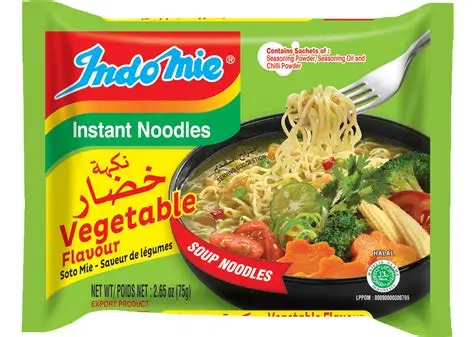
Nigeria’s drug and food regulator, NAFDAC, has issued a warning to consumers over a safety-related recall of Indomie Vegetable Flavour noodles after laboratory tests detected milk and egg allergens that were not listed on the product’s label. The alert, released on December 18, 2025, under Public Alert No. 041/2025, explained that the recall originated from Rappel Conso, France’s food safety authority. Tests carried out on the product confirmed the presence of undeclared milk and eggs, ingredients that can trigger serious allergic reactions in people with food allergies or intolerances. NAFDAC disclosed that the recall affects all batches of Indomie Vegetable Flavour noodles with a best-before date of February 6, 2026. The notice did not indicate the country of manufacture. “The National Agency for Food and Drugs Administration and Control (NAFDAC) is informing the public that the French Authority (Rappel Conso of France) issued a notice regarding a recall of Indomie brand Noodles Vegetable Flavour product. “This recall is due to the presence of undeclared allergens, specifically milk and eggs, which may pose a significant health risk to consumers with allergies or intolerances. “Although the official risk of these products entering Nigeria is low due to the Federal Government’s ban on noodle importation, there remains a need for heightened vigilance to prevent possible illicit entry or circulation of the implicated Indomie brand.” While noting that instant noodles remain popular globally because of affordability and ease of preparation, the agency stressed that hidden allergenic substances could result in severe reactions among vulnerable consumers. To curb any chance of the recalled product circulating locally, NAFDAC said nationwide surveillance has been activated. Zonal directors and state coordinators have been instructed to intensify checks and immediately confiscate the noodles if found anywhere in the country. “NAFDAC has commenced vigilance actions to guard against possible entry of the brand into the country, as acquisition of the product through online purchase or international travel cannot be excluded. “All NAFDAC zonal directors and state coordinators have been directed to carry out surveillance and mop up the product if found within the zones and states. “Distributors, retailers, and consumers are hereby advised to exercise caution and vigilance within the supply chain to avoid the distribution, sale, and consumption of the recalled foreign brand of Indomie noodles. Consumers who come across the product are advised to discard it immediately and not consume it.” The agency further urged the public to report any sighting or suspected sale of the recalled noodles to the nearest NAFDAC office or via its toll-free line, 0800-162-3322. Nigerians were also advised to report any adverse reactions linked to the product through NAFDAC offices or the agency’s online reporting platforms.

Read More

NAFDAC To Enforce Ban On Sachet And Small PET Bottle Alcohol From January 2026

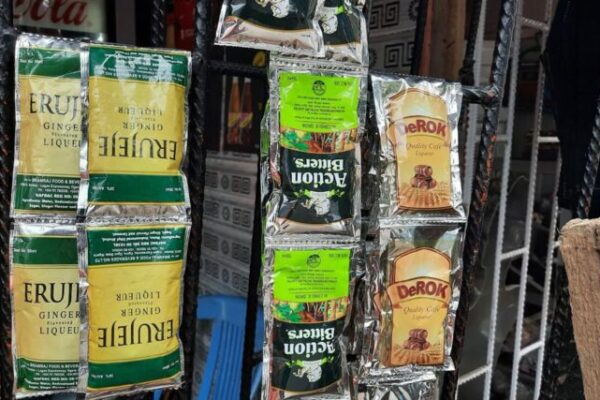
The National Agency for Food and Drug Administration and Control (NAFDAC) has announced that it will begin enforcing the ban on alcohol sold in sachets and small PET bottles from January 2026. Speaking in Abuja, NAFDAC Director-General Mojisola Adeyeye said the agency is committed to protecting public health, emphasizing that safeguarding Nigerians’ well-being is a top priority. The ban targets the production and sale of alcoholic beverages in sachets and PET bottles with capacities under 200ml, with full compliance expected by December 2025. The move follows a Senate directive and has the backing of the Federal Ministry of Health and Social Welfare. Adeyeye noted that small, inexpensive containers of high-alcohol drinks are easily concealable and contribute to misuse and addiction, particularly among minors and commercial drivers. She added that their widespread availability has been linked to domestic violence, road accidents, school dropouts, and other social problems affecting families and communities. She recalled that in December 2018, NAFDAC, the Federal Ministry of Health, and the Federal Competition and Consumer Protection Commission signed a five-year agreement with the Association of Food, Beverage and Tobacco Employers and the Distillers and Blenders Association of Nigeria. The original deadline of January 2024 was later extended to December 2025 to allow manufacturers time to adjust production and deplete existing stock. Adeyeye said the ban aligns with Nigeria’s commitment to the World Health Organization’s Global Strategy to Reduce the Harmful Use of Alcohol and is intended to protect, not punish. She stressed that the health and future of children and young adults must take precedence over short-term economic gains. Only spirit drinks packaged in sachets and small PET or glass bottles under 200ml are affected by the ban. Adeyeye urged all manufacturers, distributors, and retailers to comply with the December 2025 deadline, warning that no further extensions will be granted. She added that NAFDAC will collaborate with the Ministry of Health, the FCCPC, and the National Orientation Agency to intensify public awareness campaigns on the dangers of alcohol misuse, reaffirming the agency’s mission to ensure Nigerians have access only to safe and properly regulated products.

Read More

Senate Directs Full Enforcement Of Sachet Alcohol Ban From December 2025

The Senate has directed NAFDAC and other relevant regulatory agencies to fully enforce the ban on high-strength alcoholic beverages packaged in sachets starting December 2025. Lawmakers stressed that no further extensions beyond the current moratorium would be granted. The decision followed a motion by Senator Asuquo Ekpeyong, urging an end to delays in phasing out sachet-packaged alcohol. In his remarks, Ekpeyong highlighted that NAFDAC, in line with international standards and after consultations with industry stakeholders, had initiated a phased ban on the importation, production, and distribution of alcohol in sachets. He recalled that in 2018, stakeholders including the Federal Ministry of Health, the Federal Competition and Consumer Protection Commission (FCCPC), NAFDAC, and industry groups such as the Association of Food, Beverage & Tobacco Employers (AFBTE) and the Distillers and Blenders Association of Nigeria (DIBAN) signed a five-year Memorandum of Understanding (MoU) to gradually phase out these products. The MoU cited concerns over affordability, portability, and accessibility, especially among children, adolescents, commercial drivers, and other vulnerable groups. Although the initial deadline passed, the government granted manufacturers a one-year extension in 2024 to allow them to deplete existing stock and transition to compliant packaging, setting the new phase-out deadline for December 2025. Ekpeyong warned that some manufacturers are lobbying for another extension, a move he said undermines regulatory authority, endangers public health, and disrupts fair competition. He noted that continued production of sachet alcohol contributes to youth addiction, road accidents, school dropouts, domestic violence, and other social problems. The Senate further instructed the Federal Ministry of Health to remove any obstacles preventing NAFDAC from enforcing the ban. Lawmakers also urged the ministry to expedite the release of the National Alcohol Policy, which should explicitly prohibit sachet packaging of high-strength alcohol and promote public awareness campaigns.

Read More

NAFDAC Seals Chinese Supermarkets And Cosmetics Shops In Abuja Over N170m Worth Of Illegal Products

The National Agency for Food and Drug Administration and Control (NAFDAC) has sealed two Chinese supermarkets in Abuja’s Jabi District and eight cosmetics shops in Wuse Market for violating regulations on the sale, labelling, and distribution of controlled products. The move was confirmed in a press release on Friday signed by the agency’s Deputy Director of Public Relations and Protocol, Adegboyega Osiyemi. NAFDAC disclosed that its enforcement team seized products worth over N170 million during the operation, which was carried out under the directive of the Director-General, Prof. Mojisola Adeyeye. The exercise was led by officials of the Investigation and Enforcement Directorate, alongside members of the Federal Task Force on Counterfeit and Substandard Medicines and Unwholesome Processed Foods, headed by Assistant Chief Regulatory Officer, Musa Embugushiki. The agency explained that the supermarkets, located on Mike Akhigbe Way and Ebitu Ukiwe Street, were shut down following consumer complaints and surveillance that exposed the sale of unregistered food items labelled only in Chinese—contrary to NAFDAC’s mandatory labelling policy, which requires English translations for the Nigerian market. One of the outlets initially denied being operational, but investigators confirmed it was running fully and selling unregistered products. At Wuse Market, eight cosmetics shops were also sealed for selling banned, expired, and unregistered items, including aphrodisiacs and aesthetic medicines. NAFDAC revealed that some individuals were posing as dermatologists and pharmacists, prescribing and selling harmful products for skin whitening, body enhancement, and sexual performance. Items confiscated include Wenicks Capsules, Maxman Capsules, Boobs Enlargement, Curvy Weight Gain, Skin Whitening Vitamin Gummies, Collagen, Royal Jelly, Glutathione Whitening Gummies, White Doll, Dr. Gallery Plus, Maiz Zaki Syrup, Original Herbal Yellow Fever, Sickle Cell Medicine, Dr. Nafisa Herbal Medicine, Dynewell Syrup, and White Blinks. Prof. Adeyeye warned that such products expose users to serious health dangers such as kidney damage, skin cancer, irritability, and memory loss. She reaffirmed NAFDAC’s determination to protect Nigerians from harmful substances and urged consumers to patronise only duly registered products. The agency further advised foreign nationals and investors wishing to import or sell products in Nigeria to visit NAFDAC offices for proper registration and regulatory guidance.  

Read More

NAFDAC seizes unregistered food products worth N3.8bn

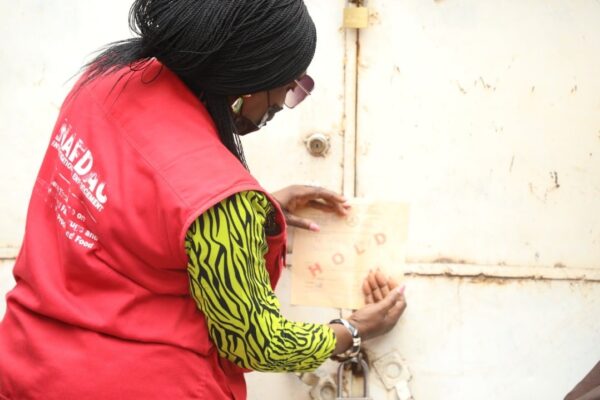
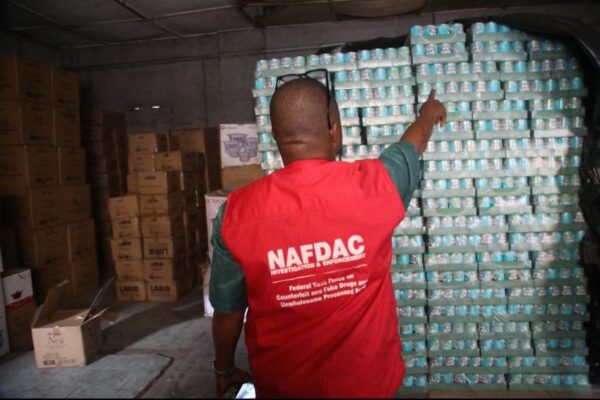
The National Agency for Food and Drug Administration and Control’s Investigation & Enforcement Directorate raided a warehouse at Apongbon Oke Arin Market, following a tip-off about the sale of unregistered food products. Various unregistered items valued at N3,818,802,720 were seized during the operation, and the facility has been placed on hold pending further investigation. The warehouse management, according to statement on NAFDAC’s X handle, has been summoned for questioning, and appropriate sanctions will follow after investigations.

Read More

NAFDAC seizes illegal products worth N37m in Abuja 

NAFDAC has intensified its efforts to rid the market of counterfeit and illegally imported cosmetics products in Abuja. Acting on intelligence reports, NAFDAC’s Investigation & Enforcement Directorate conducted coordinated raids across supermarkets and open markets including Wuse and Garki markets. Several unregistered and counterfeit cosmetics were seized with a total street value of ₦37 million. NAFDAC is committed to investigating the sources of these illegal products and will take strict regulatory action against those involved. All confiscated items will be destroyed in line with the Agency’s laws and regulations, ensuring public safety.

Read More