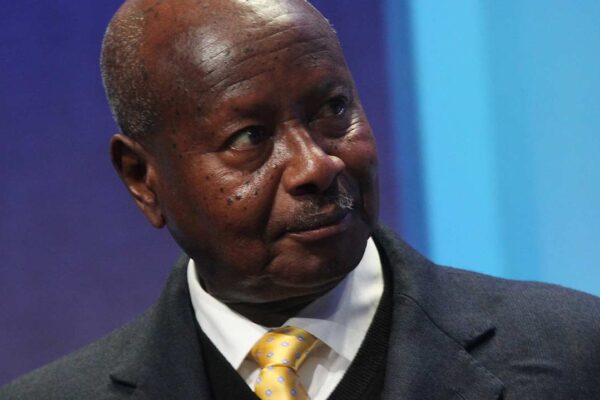
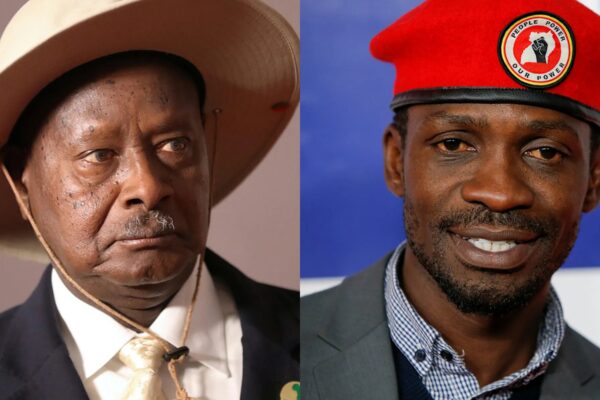
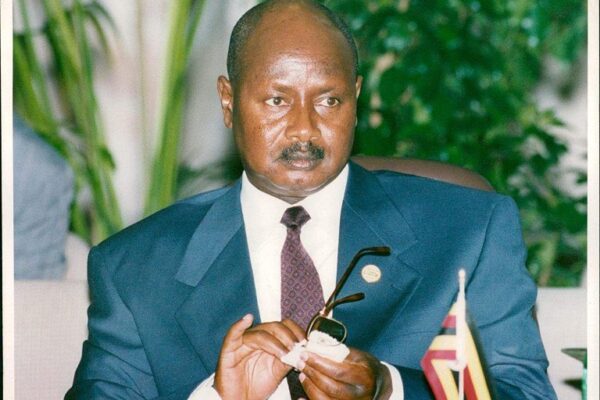
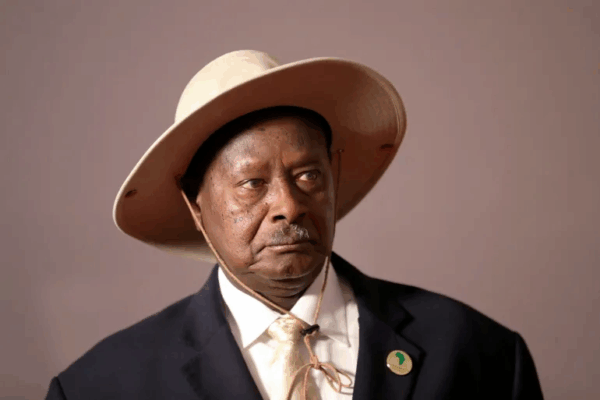
Ugandan opposition leader Bobi Wine was placed under house arrest on Friday, following elections that showed President Yoweri Museveni holding a commanding lead as he seeks to extend his 40-year rule. Museveni, who has governed Uganda since 1986, has faced widespread criticism for repressing opposition ahead of the vote, and his government imposed an internet blackout earlier this week. With roughly a quarter of votes counted, the Electoral Commission reported Museveni at 76.25 per cent and Wine at 19.85 per cent. Thursday’s voting was disrupted by technical problems, including malfunctioning biometric machines and delayed ballot deliveries in several areas. Final results for both presidential and parliamentary elections are expected by 0200 GMT on Saturday. Analysts say the outcome was largely predictable, given Museveni’s tight control over the state and security forces. The 81-year-old former guerrilla has routinely sidelined challengers during his four decades in power. Wine, 43, born Robert Kyagulanyi, has become Museveni’s most prominent opponent. The former singer, who grew up in Kampala’s slums, calls himself the “ghetto president.” “The military and police have surrounded the residence of President Kyagulanyi Ssentamu Robert, effectively placing him and his wife under house arrest,” his party, the National Unity Platform, said on X late Thursday. “Security officers have unlawfully jumped over the perimeter fence and are now erecting tents within his compound.” AFP journalists visiting Wine’s home on Friday described the scene as calm, though a military vehicle and several police officers were stationed outside. A heavy security presence was reported across Uganda on election day. The United Nations had warned that the elections were taking place in an environment of “widespread repression and intimidation” against opposition figures. Wine also alleged “massive ballot stuffing” and attacks on his party officials during the internet blackout, though these claims could not be independently verified.