
Mexico’s Most Wanted Cartel Leader El Mencho Killed In Security Operation, Violence Erupts Across States

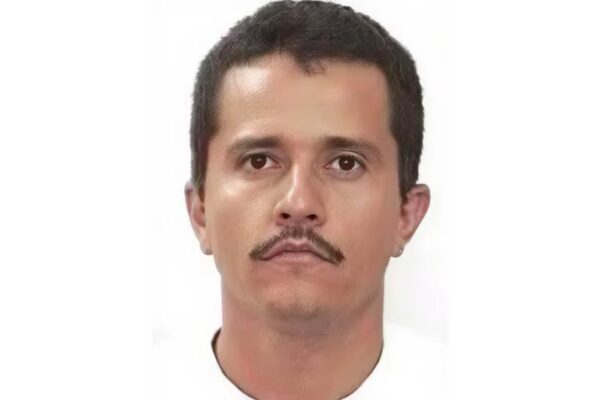
Mexican authorities have confirmed that Nemesio Oseguera Cervantes, widely known as “El Mencho,” has been killed in a major security operation, marking what officials describe as a significant development in the country’s fight against organised crime. Oseguera, the longtime leader of the Jalisco New Generation Cartel, was reportedly killed on Sunday during a raid in Tapalpa, a town in Jalisco state. Authorities have yet to disclose full details of how the operation was carried out. According to the New York Times, El Mencho had built a reputation as one of Mexico’s most dangerous and powerful drug traffickers. Over the past decade, the CJNG expanded rapidly under his leadership, developing a sprawling criminal enterprise involved in drug production, international trafficking, extortion and violent control of territory. The cartel became known for bold, coordinated attacks against security forces and for unleashing waves of violence across several Mexican states. Shortly after news of his death broke, unrest flared in at least five states. Residents reported that vehicles were set on fire and used to barricade highways — a tactic frequently employed by cartels to disrupt movement and signal retaliation. In Jalisco, officials suspended public transport services in certain areas and urged residents to remain indoors. Some disturbances were reported in Guadalajara, the state capital and one of Mexico’s largest cities. Security analysts warn that the killing of Nemesio Oseguera Cervantes could lead to further instability. Although his death represents a symbolic victory for the government, experts say it may spark violent power struggles within the CJNG, while rival criminal groups attempt to seize territory. Past high-profile takedowns of cartel leaders have often resulted in fragmentation and increased bloodshed rather than immediate peace. The development also carries international implications. U.S. President Donald Trump has repeatedly pressed Mexico to intensify its campaign against drug cartels, at times threatening unilateral military action if stronger measures were not taken. Mexico’s President Claudia Sheinbaum has rejected any suggestion of U.S. military intervention, describing such proposals as violations of Mexico’s sovereignty. Nevertheless, her administration has strengthened intelligence-sharing and security cooperation with Washington amid tensions over fentanyl trafficking and border security. The CJNG has been identified as a major supplier of synthetic drugs, including methamphetamine and fentanyl, to the United States, contributing to the ongoing opioid crisis. The U.S. government had previously offered a $15 million reward for Oseguera’s capture. As officials prepare to release more information about the operation, concerns remain that the aftermath of his death could trigger renewed violence in parts of the country.

Read More

FG Knows Terror Sponsors but Lacks Courage to Prosecute — Ex-Defence Director Olawunmi

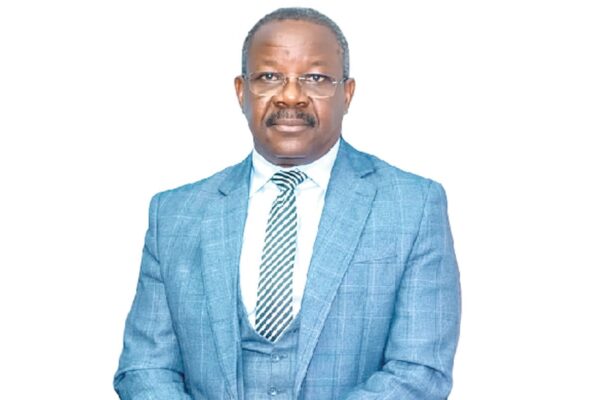
Former Deputy Director of Defence Administration at the Defence Headquarters, Commodore Kunle Olawunmi (retd.), has accused the Federal Government of lacking the courage to prosecute those financing terrorism in Nigeria, despite having intelligence identifying them. In an interview, Olawunmi said religion and socio-cultural divisions remain major drivers of insecurity in the country, lamenting that the situation has worsened since his retirement in 2017. He urged President Bola Tinubu to act decisively, warning that attempts to be politically correct could embolden terrorists. He condemned recent meetings between northern leaders and armed groups, describing them as “an aberration” and “a symptom of a failed state.” According to him, any negotiation with terrorists undermines national authority and could lead to Nigeria’s eventual collapse if unchecked. “The power and security architecture of this country reside only in the Commander-in-Chief of the Armed Forces. If local governments or state officials negotiate with terrorists without federal approval, it sets a dangerous precedent,” Olawunmi said. The retired naval officer claimed that identified terror financiers are still operating freely because of their political connections. He alleged that some of them made vast fortunes during the Buhari administration and continue to wield influence, preventing their arrest or prosecution. “Tinubu should not be afraid of them,” he said. “He should call all intelligence chiefs together and order the arrest of both domestic and foreign sponsors of terrorism. Once they are tried and punished, terrorism will reduce by half.” Olawunmi also criticised the government’s deradicalisation and reintegration programme for repentant terrorists, saying it was a dangerous misapplication of the UN Disarmament, Demobilisation, and Reintegration (DDR) framework. He warned that reintegrating such individuals into the military could have grave long-term consequences for national security. He further argued that Nigeria’s political system enables corruption and dependency on powerful financiers, making it impossible for leaders to confront those who sponsored their rise to power. According to him, “you cannot arrest those who made you,” which explains why terror sponsors remain untouchable. On the handling of Nnamdi Kanu, Olawunmi criticised the government’s approach, describing it as unprofessional and politically motivated. Comparing it with the operation that led to the arrest of former MEND leader Henry Okah, he said Kanu’s rendition from Kenya was “poorly executed” and mishandled by security operatives. While commenting on President Tinubu’s recent pardon of some convicted criminals, Olawunmi said the President has the constitutional prerogative of mercy, adding that such actions may be influenced by diplomatic or intelligence considerations unknown to the public.

Read More