Jonathan Reveals Boko Haram Once Selected Buhari as Negotiator

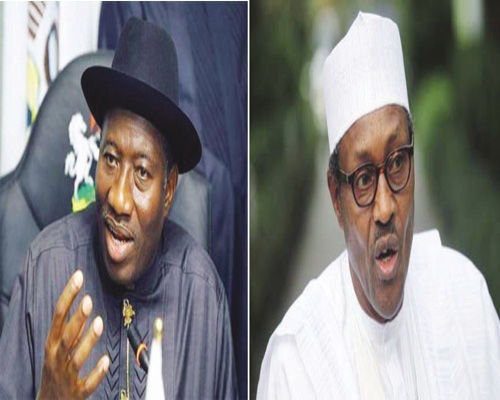
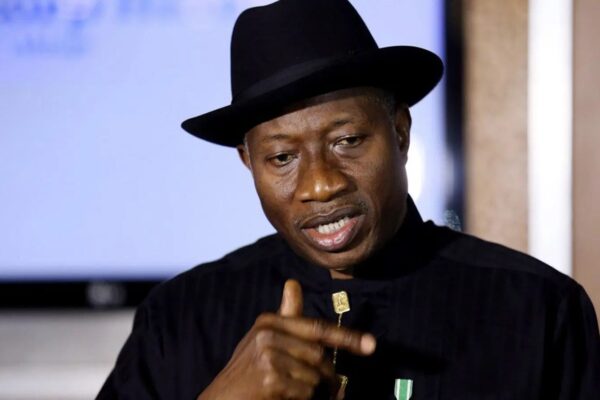
Former President Goodluck Jonathan has revealed that Boko Haram once selected Muhammadu Buhari to act as their negotiator with the Nigerian government. Jonathan made the disclosure on Friday during the public presentation of Scars, a book by former Chief of Defence Staff, Gen. Lucky Irabor (retd.), in Abuja. He explained that the insurgents chose Buhari after Jonathan’s administration set up multiple committees to engage the group in dialogue. “One of the committees we set up then, Boko Haram nominated Buhari to lead their team to negotiate with the government,” Jonathan said. “I thought that if they had nominated Buhari to represent them and interact with the government committee, then when Buhari became president, it might have provided an easier path to negotiations, and they could have surrendered their weapons. But the problem still exists today.” Jonathan added that the insurgency’s persistence underscores its complexity, noting that Buhari’s inability to fully eliminate Boko Haram highlighted the challenges of addressing the crisis.

Read More
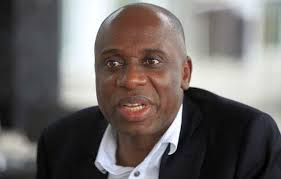
Former governor of Rivers State, Rotimi Amaechi, was a guest speaker at the ninth edition of the Akinjide Adeosun Foundation (AAF) Annual Leadership Discourse held in Lagos. Speaking on the theme *“Fearless Leadership: A Panacea for Sustainable Development,”* Amaechi discussed a range of issues, including his role in mobilizing against former President Goodluck Jonathan, who was the candidate for the Peoples Democratic Party (PDP) in the 2015 presidential elections. Amaechi explained that his decision to mobilize against Jonathan was rooted in his dissatisfaction with the president's leadership style, pointing to the economic struggles Nigerians were facing as Jonathan left office, including the rising dollar rate. Amaechi recounted the personal dangers he faced during this period, revealing that even though he had the immunity of a governor, the risks were severe. He shared an anecdote about his attempt to visit Ekiti, where he was blocked by security forces. Despite being advised against it, he persisted in his travel, leading to a tense standoff with soldiers. The situation became more dangerous when Amaechi was warned that his life could not be accounted for if he stayed in the area. He narrowly escaped with the help of a military officer, who advised him to leave before dark. The former governor also described a tense moment during a trip to Kano. After successfully installing the Emir of Kano, Amaechi found himself trapped by bad weather and the political hostility of the region's leadership. He was denied permission to land, and even after efforts to board a commercial flight were blocked, he was forced to seek the help of a local security officer to escape the situation. He recounted how he managed to leave Kano under strict surveillance, with a journey that took him through Zaria and Kaduna before finally reaching Abuja. Amaechi also discussed President Bola Tinubu's policies, particularly the removal of the oil subsidy, which he supported but felt could have been better managed. He criticized the approach for not considering social welfare measures, like creating employment through large-scale housing projects, which could have mitigated the impact of subsidy removal on Nigerians. He argued that had the government created jobs first, people would have been better equipped to handle the financial strain caused by the removal of the subsidy. Finally, Amaechi reflected on the state of activism in Nigeria, particularly among student groups like the National Association of Nigerian Students (NANS) and the Nigerian Labour Congress (NLC). He lamented the decline of activism, noting how students and labor unions were once united in their struggle against government policies. He criticized the current lack of ideological commitment within these organizations, contrasting it with the more radical, ideologically driven activism of the past.

I Escaped Death While Mobilising Against Jonathan – Amaechi

Former governor of Rivers State, Rotimi Amaechi, was a guest speaker at the ninth edition of the Akinjide Adeosun Foundation (AAF) Annual Leadership Discourse held in Lagos. Speaking on the theme “Fearless Leadership: A Panacea for Sustainable Development,” Amaechi discussed a range of issues, including his role in mobilizing against former President Goodluck Jonathan, who was the candidate for the Peoples Democratic Party (PDP) in the 2015 presidential elections. Amaechi explained that his decision to mobilize against Jonathan was rooted in his dissatisfaction with the president’s leadership style, pointing to the economic struggles Nigerians were facing as Jonathan left office, including the rising dollar rate. Amaechi recounted the personal dangers he faced during this period, revealing that even though he had the immunity of a governor, the risks were severe. He shared an anecdote about his attempt to visit Ekiti, where he was blocked by security forces. Despite being advised against it, he persisted in his travel, leading to a tense standoff with soldiers. The situation became more dangerous when Amaechi was warned that his life could not be accounted for if he stayed in the area. He narrowly escaped with the help of a military officer, who advised him to leave before dark. The former governor also described a tense moment during a trip to Kano. After successfully installing the Emir of Kano, Amaechi found himself trapped by bad weather and the political hostility of the region’s leadership. He was denied permission to land, and even after efforts to board a commercial flight were blocked, he was forced to seek the help of a local security officer to escape the situation. He recounted how he managed to leave Kano under strict surveillance, with a journey that took him through Zaria and Kaduna before finally reaching Abuja. Amaechi also discussed President Bola Tinubu’s policies, particularly the removal of the oil subsidy, which he supported but felt could have been better managed. He criticized the approach for not considering social welfare measures, like creating employment through large-scale housing projects, which could have mitigated the impact of subsidy removal on Nigerians. He argued that had the government created jobs first, people would have been better equipped to handle the financial strain caused by the removal of the subsidy. Finally, Amaechi reflected on the state of activism in Nigeria, particularly among student groups like the National Association of Nigerian Students (NANS) and the Nigerian Labour Congress (NLC). He lamented the decline of activism, noting how students and labor unions were once united in their struggle against government policies. He criticized the current lack of ideological commitment within these organizations, contrasting it with the more radical, ideologically driven activism of the past.
Read More