Iran Names Mojtaba Khamenei As New Supreme Leader After Father’s Assassination

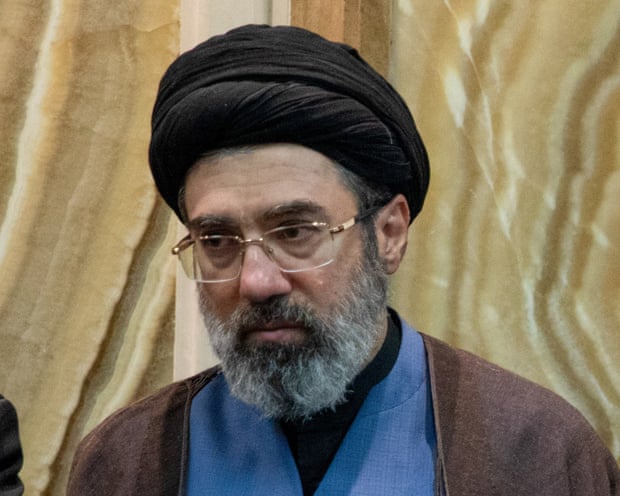
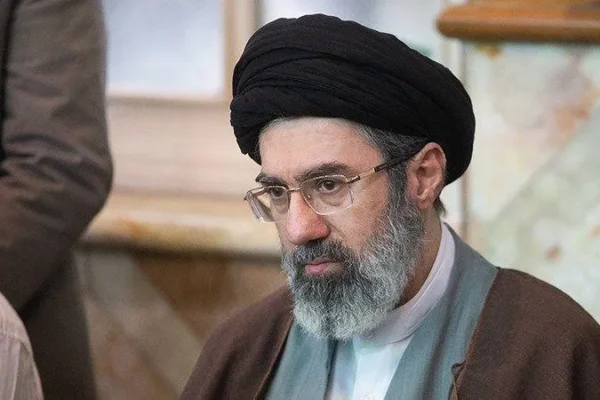
Iran has appointed Mojtaba Khamenei as the country’s new supreme leader, slightly more than a week after the killing of his father, Ayatollah Ali Khamenei, during coordinated United States and Israeli strikes that have triggered a wider regional war. Clerics confirmed the 56-year-old as the new head of the Islamic Republic on Sunday, placing him in charge of guiding the nation through what is being described as the most serious crisis since the system was established 47 years ago. Shortly after the announcement, key figures within Iran’s leadership structure, including the Islamic Revolutionary Guard Corps (IRGC) and the armed forces, publicly declared their loyalty to the new supreme leader. Ali Larijani, the secretary of the Supreme National Security Council who is overseeing Iran’s security response to the ongoing conflict with the United States and Israel, urged the country to rally behind the new leader. Parliament Speaker Mohammad Bagher Ghalibaf also endorsed the decision, describing obedience to the newly appointed supreme leader as a “religious and national duty”. Although Mojtaba Khamenei has never contested any public office or participated in an electoral process, he has long been considered a powerful figure within Iran’s political and religious establishment. For years, he operated within the inner circle of his father and developed strong connections with the IRGC. In recent years, his name frequently surfaced as a likely successor to his father, and his appointment is widely viewed as a sign that hardline elements within Iran’s leadership remain firmly in control. Analysts suggest this could mean Tehran is unlikely to pursue negotiations or compromise while the war continues into its second week. Al Jazeera correspondent Ali Hashem described him as his “father’s gatekeeper”. “He adopts the positions of his father with respect to the United States, with respect to Israel. So we are expecting a confrontational leader. We’re not expecting any moderation.” “However, if this war comes to an end and he is still alive, and he is able to continue running the country, there is going to be big potential… to find new routes for Iran.”
Read More

Israeli Air Strikes Ignite Fires At Tehran Oil Facilities As War Casualties Climb

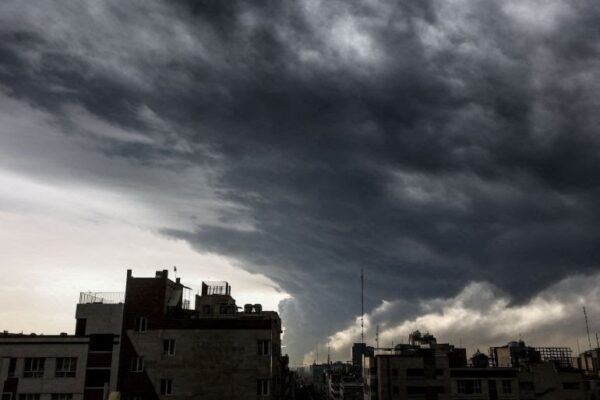
Thick smoke covered parts of Tehran after Israeli air strikes struck key Iranian oil facilities for the first time since the outbreak of the war, leaving at least four people dead. The conflict involving Israel and the United States against Iran entered its ninth day on Sunday. Officials say the violence has claimed more than 1,300 lives in Iran and about 300 in Lebanon, while around a dozen people have been killed in Israel. Iran’s Fars news agency reported that Saturday’s bombardment sparked huge fires after four oil storage depots and an oil transfer centre were hit in Tehran and nearby Alborz province. Iranian state media described the incident as “an attack from the US and the Zionist regime”. Among the sites targeted were the Aghdasieh oil warehouse in northeast Tehran, the Tehran refinery in the southern part of the capital, the Shahran oil depot in western Tehran, and another oil facility in Karaj city. Witnesses said crude from the Shahran depot spilled into surrounding streets following the strike. Fars reported that at least four tanker drivers were killed in the attacks across Tehran and Alborz. Despite the damage, authorities said fuel distribution across the country remains stable while emergency teams continue battling the fires. Israel confirmed carrying out the operation, stating that “a number of fuel storage facilities in Tehran” were hit because they were allegedly used “to operate military infrastructure”. “This is not the first time. Back in June, during the 12-day war, we saw fuel depots being targeted, but this is unprecedented,” Asadi said. “We are dealing with a critical situation in terms of war and environmental circumstances in the capital.” He said black droplets appeared on his windows early Sunday morning, raising fears of polluted air in the city. “There is a high risk of being surrounded by toxic air.” Asadi also warned about increasing civilian casualties as the attacks intensify. “Three days ago, the tally was at about 1,300, but we know that in the past days, intensive strikes targeting Iranian territory have continued, so it’s likely that the number has gone up.” Al Jazeera correspondent Mohamed Vall, reporting from Tehran, said the strikes on oil facilities could be aimed at creating panic among Iranians. “The Israelis are probably planning to cause a situation of crisis in terms of fuel in Iran, and Iranians will consider this as an act of aggression and terrorism,” Vall said. He added that the attacks may also be intended to limit the mobility of Iranian troops, though Iran’s vast number of oil installations means the strike may not necessarily cause a nationwide fuel shortage.

Read More

Iranian President Apologises To Gulf Neighbours Over Missile Strikes, Vows Attacks Will Stop

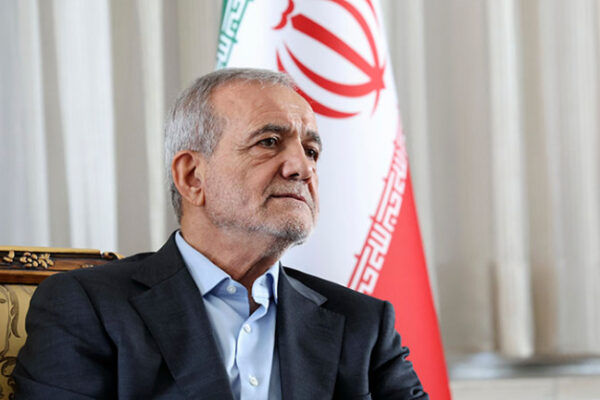
Iranian President Masoud Pezeshkian has apologised to neighbouring countries that were hit by Iranian missile and drone strikes in recent days, saying the attacks would stop unless Iran itself is targeted from those countries. Speaking in a pre-recorded message aired on state television on Saturday, Pezeshkian expressed regret over the strikes, which affected several Gulf nations including the United Arab Emirates, Saudi Arabia, Qatar, Bahrain, Kuwait and Oman during the past week. The attacks come amid a widening Middle East conflict involving Iran, Israel and the United States. “I must apologise on my own behalf and on behalf of Iran to the neighbouring countries that were attacked by Iran,” Pezeshkian said. He explained that part of the situation was linked to confusion within the military following recent leadership changes in Iran, including the death of Supreme Leader Ayatollah Ali Khamenei. Pezeshkian is currently serving as one of three members of an interim leadership council managing the country’s affairs after Khamenei’s death. According to the president, the council has now directed the armed forces to stop targeting neighbouring states unless attacks against Iran originate from their territories. “We have no intention of attacking other nations,” he said, while calling for diplomatic efforts to resolve the crisis. Despite the apology, reports of new Iranian military activity surfaced on Saturday. Explosions were reportedly heard over Doha, drones were spotted near Dubai International Airport, and air defence systems were activated in Bahrain, Saudi Arabia and the UAE as Gulf countries intercepted several missiles and drones. Pezeshkian also dismissed calls from the United States for Iran to surrender unconditionally, describing the demand as a “dream they should take to their grave.” The development comes as Israeli and US forces continue carrying out intensified strikes on Iranian targets, with the conflict now entering its second week.

Read More

Israeli Ambassador Accuses Iran Of Sponsoring Shi’ite Groups And Terrorism In Nigeria

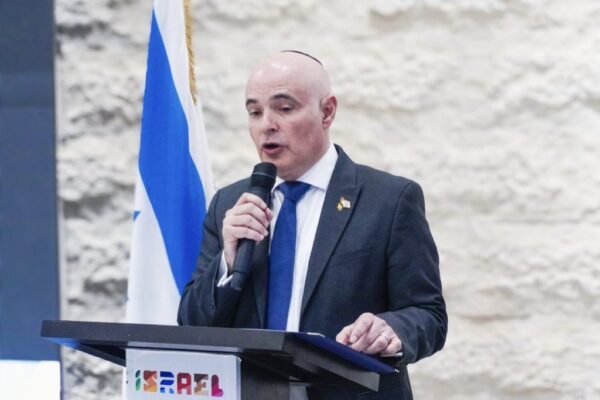
Israel’s Ambassador to Nigeria, Michael Freeman, has claimed that Iran is actively supporting Shi’ite organisations and promoting terrorism in Nigeria and other parts of West Africa in a bid to undermine stability in the region. Freeman made the allegation during an interview on The Morning Show on Arise News, where he discussed what he described as Iran’s long-standing pattern of backing militant groups in different parts of the world. He pointed to organisations such as Hamas and Hezbollah as examples of groups that Tehran has allegedly supported over the years, adding that similar influence is also being extended to Africa. Speaking about Nigeria, the envoy alleged that the Islamic Movement of Nigeria is among the groups receiving backing from the Iranian government, stating that the relationship between the movement and Tehran has been publicly documented. “I think that it is well documented. We know that certain movements, for example, the Islamic Movement of Nigeria, are sponsored and backed by the Iranian regime. This is not just me saying this; we’ve seen it documented by the Iranian regime. “The Supreme Leader posted on X his support and his backing there, so that’s very open. There are also other areas where Iran is working to destabilise not only Nigeria but all of West Africa. “We’ve seen over 47 years that they’ve taken all the actions they can in order for that to happen. We’ve seen them sponsor terror organisations. They were behind the October 7 massacre by Hamas. We’ve seen them sponsoring Hezbollah. We’ve seen them acting in Europe, Australia, and Nigeria. “We’ve seen these people acting all across the world to spread disturbance as they pursue their aim of destroying Israel. Israel will not allow another country to have nuclear weapons when they have expressly stated they want those weapons to destroy Israel,” he said. Freeman further argued that Iran has spent decades financing militant groups globally as part of its confrontation with Israel and broader efforts to spread instability. “The issue here is about Iran. Iran is the only country in the world, in the United Nations, who expressly desires to wipe another country off the face of the earth. Iran has stated its very policy is to destroy Israel — to wipe Israel off the map and ensure every single person is killed. No regime or country that has an express desire to destroy Israel should be allowed to pursue such ambitions.”

Read More

Trump Insists Iran Must Surrender Unconditionally Before Any Deal With U.S.

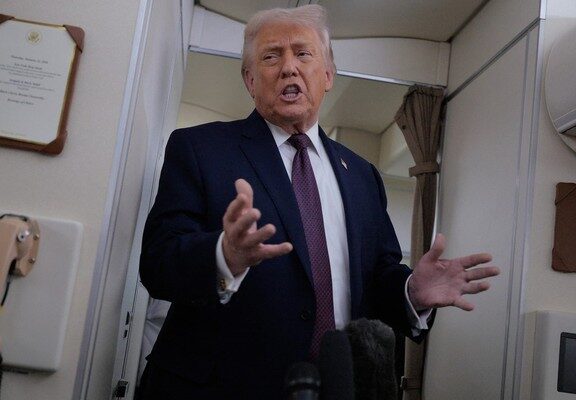
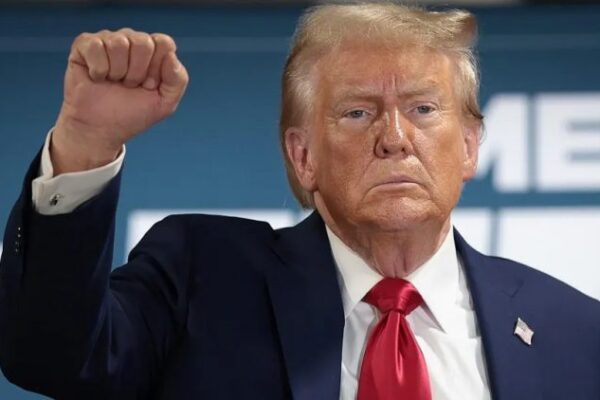
United States President Donald Trump has declared that the United States will not enter into any agreement with Iran unless the country agrees to what he described as an “unconditional surrender.” The American leader made this known in a post on Truth Social on Friday, insisting that negotiations with Tehran would only happen after the current leadership structure is completely removed. According to Trump, once Iran surrenders and a new leadership that is widely acceptable emerges, the United States and its allies would help rebuild the country and restore its economy. “The U.S. will sign no deal with Iran except one that involves unconditional surrender,” he stated. Trump added that after surrender and “the selection of a GREAT & ACCEPTABLE Leader(s), we, and many of our wonderful and very brave allies and partners, will work tirelessly to bring Iran back from the brink of destruction, making it economically bigger, better, and stronger than ever before.” He further expressed optimism about the country’s future, writing: “IRAN WILL HAVE A GREAT FUTURE. ‘MAKE IRAN GREAT AGAIN (MIGA!).’” The U.S. president has repeatedly suggested that he would like to see a new leadership in Iran that can promote peace and stability within the country. Meanwhile, Israel’s Defence Minister Israel Katz issued a warning that any future Iranian supreme leader who continues to threaten Israel, the United States, or their allies could become a target. “If he continues to threaten Israel, the U.S. and others, he will be a target for elimination,” Katz said. On the other hand, Iranian President Masoud Pezeshkian indicated that diplomatic efforts might be underway, revealing that some countries have begun mediation efforts, although he did not mention their names. “Let’s be clear: we are committed to lasting peace in the region yet we have no hesitation in defending our nation’s dignity & sovereignty,” Pezeshkian wrote. “Mediation should address those who underestimated the Iranian people and ignited this conflict.” The remarks come as hostilities continue to escalate across the region. Israeli warplanes reportedly carried out strikes in Beirut and Tehran on Friday, while Iran launched fresh retaliatory attacks targeting Israel and Gulf nations hosting U.S. military forces. Casualties from the ongoing conflict continue to rise, with reports indicating that at least 1,230 people have died in Iran, more than 120 in Lebanon, and around a dozen in Israel. Six U.S. troops have also been reported killed.

Read More

Donald Trump Says He Wants “Good Leader” For Iran After Khamenei’s Death, Calls For Leadership Overhaul

Donald Trump has expressed his vision for Iran’s leadership following the death of Supreme Leader Ali Khamenei. In an interview with NBC News on Thursday, Trump said he hopes for a “good” leader in Iran and indicated he wants the country’s current leadership structure completely dismantled. “We want to go in and clean out everything,” he said. “We don’t want someone who would rebuild over a 10-year period.” Trump added that he has certain individuals in mind who could assume leadership but chose not to disclose their names. “We want them to have a good leader. We have some people who I think would do a good job,” he said. The remarks follow a joint operation by the United States and Israel in Iran, which led to the death of Ali Khamenei.

Read More
Kemi Badenoch Recalls Harsh Boarding School Experience in Nigeria, Compares It to Prison

Kemi Badenoch Urges UK To Support US In Taking Early Action Against Iran To Protect Forces And Regional Stability

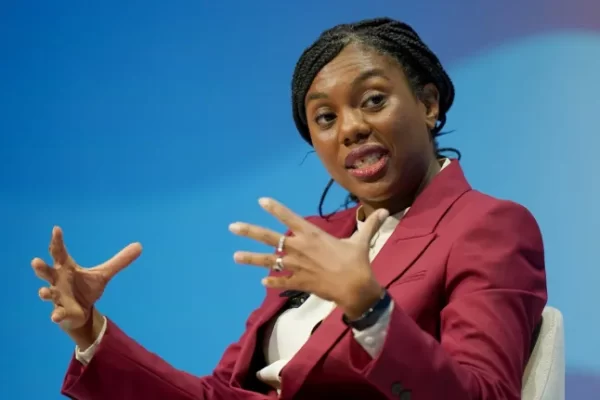
Kemi Badenoch, leader of the opposition and head of the Conservative Party, has called on the United Kingdom to back the United States in taking decisive military action against Iran as tensions in the Middle East escalate. Her remarks came after reports that Iran allegedly attacked British military bases in the region, sparking renewed concerns about security and stability. Speaking on BBC Radio 4’s Today programme, Badenoch stressed that Britain must act swiftly to prevent further assaults on its forces and allies. She emphasised the importance of working closely with international partners and responding to the concerns of regional countries who feel unsupported by the UK. “We need to do everything we can to stop these attacks from happening,” she said. The Conservative leader highlighted that some regional allies are disappointed with Britain’s current approach, warning that waiting for a direct attack on the UK could heighten risks. She argued that early intervention could help safeguard British interests and maintain stability in the region. Badenoch also addressed concerns that her stance might escalate into a wider conflict, clarifying that her aim is to prevent a prolonged crisis rather than encourage war. She suggested that, in some cases, taking prompt action to resolve a threat can reduce tensions more effectively than inaction. Her comments come as tensions between Iran and Western allies continue to intensify following recent military exchanges in the Middle East.

Read More

Spain Denies White House Claims of Military Cooperation, Rejects Trump Threats Over Iran Conflict

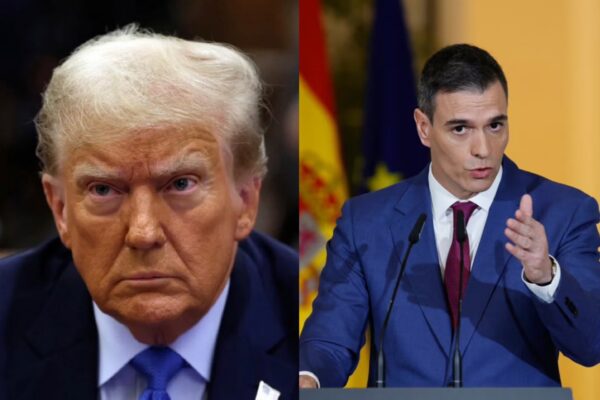
Spain has strongly denied claims from the White House that it agreed to cooperate with the United States military, calling the statement “categorically false” amid rising tensions over the ongoing conflict in Iran. White House Press Secretary Karoline Leavitt told reporters that Spain had reportedly relented after President Donald Trump threatened to cut off all trade with the country. “I think they heard the president’s message loud and clear. Over the past several hours, they’ve agreed to cooperate with the US military, and our forces are coordinating with their counterparts in Spain,” she said. Spain’s Foreign Minister, José Manuel Albares, immediately rejected the claim. “The spokeswoman may speak for the White House, but I am the foreign minister of Spain. I categorically deny it,” he said, emphasising that Madrid’s position on the use of its bases, the Middle East war, and the recent bombings in Iran has “not changed one bit.” Albares added, “I have no desire or time to speculate. Our position remains absolutely unchanged.” The Prime Minister’s Office at Moncloa Palace also labelled the White House statement as false, with sources from both the office and Spain’s Defence Ministry ruling out any cooperation with Washington. The dispute erupted after Trump criticised Spain for refusing to allow US forces to use jointly operated naval and air bases in southern Spain for attacks on Iran. Speaking to German Chancellor Friedrich Merz, Trump said, “Spain has been terrible. We’re going to cut off all trade with Spain. We don’t want anything to do with Spain.” Trump also condemned Madrid for declining to meet NATO’s proposed defence spending target of 5% of GDP, saying, “Everybody was enthusiastic about it – Germany, everybody – and Spain didn’t do it.” The standoff highlights escalating tensions between the two NATO allies over military cooperation and defence commitments in the Middle East.

Read More