UK Rejects FG’s Request to Free Ekweremadu From Prison

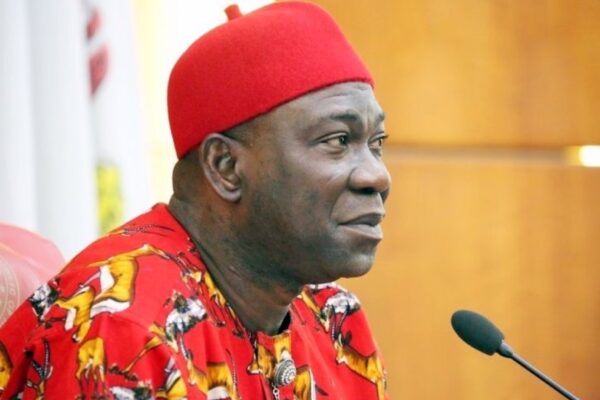
The United Kingdom, UK, has declined Nigeria’s request to allow former Deputy Senate President Ike Ekweremadu to complete his prison sentence in Nigeria. Ekweremadu is serving a custodial term in Britain following his conviction for organ trafficking. He was found guilty in 2023 and handed a prison sentence of nine years and eight months after being convicted of conspiring to exploit a young man by removing his kidney. Recently, a high-ranking delegation dispatched by President Bola Tinubu met with officials at the UK Ministry of Justice in an effort to address Ekweremadu’s situation. The team was led by the Minister of Foreign Affairs, Yusuf Maitama Tuggar, alongside the Attorney General and Minister of Justice, Lateef Olasunkanmi Fagbemi. This diplomatic engagement occurs at a time when legal interactions between both countries have become increasingly sensitive, particularly in cases involving high-profile Nigerians facing prosecution abroad. The former senator, along with his wife Beatrice and a medical practitioner, had been convicted in March 2023 for offences linked to arranging the travel of a young man to the UK with the intention of exploiting him for his kidney, an act prohibited under the Modern Slavery Act. Ekweremadu’s sentence of nine years and eight months underscored the gravity of the offense and marked the first conviction of its kind under the legislation. FG’s Request to Release Ekweremadu The United Kingdom, UK, has declined Nigeria’s request to allow former Deputy Senate President Ike Ekweremadu to complete his prison sentence in Nigeria. Ekweremadu is serving a custodial term in Britain following his conviction for organ trafficking. He was found guilty in 2023 and handed a prison sentence of nine years and eight months after being convicted of conspiring to exploit a young man by removing his kidney. Recently, a high-ranking delegation dispatched by President Bola Tinubu met with officials at the UK Ministry of Justice in an effort to address Ekweremadu’s situation. The team was led by the Minister of Foreign Affairs, Yusuf Maitama Tuggar, alongside the Attorney General and Minister of Justice, Lateef Olasunkanmi Fagbemi. This diplomatic engagement occurs at a time when legal interactions between both countries have become increasingly sensitive, particularly in cases involving high-profile Nigerians facing prosecution abroad. The former senator, along with his wife Beatrice and a medical practitioner, had been convicted in March 2023 for offences linked to arranging the travel of a young man to the UK with the intention of exploiting him for his kidney, an act prohibited under the Modern Slavery Act. Ekweremadu’s sentence of nine years and eight months underscored the gravity of the offense and marked the first conviction of its kind under the legislation.

Read More

Gbadebo Rhodes-Vivour Calls On FG To License Firearms Amid Rising Insecurity

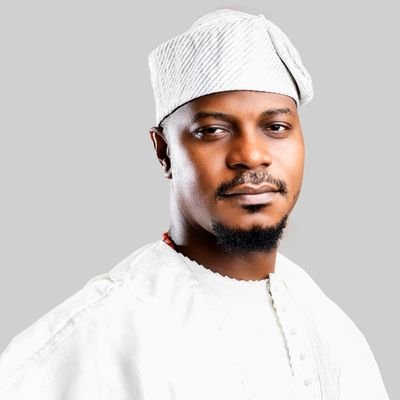
Gbadebo Rhodes-Vivour, the 2023 Labour Party governorship candidate in Lagos State, has urged the Federal Government to consider allowing citizens to own firearms if it cannot guarantee their safety. Speaking on Monday during an interview on Channels Television’s The Morning Brief, Rhodes-Vivour highlighted the surge in kidnappings and general insecurity across the country. “This is not just about the north. Over the weekend, we witnessed abductions in Kwara and Ogun States. The breakdown of institutions and loss of public trust make people lose faith in the government,” he said. He added, “I am raising this because of the government’s failure. If it cannot act decisively, then it should start considering licensing firearms for citizens.” Rhodes-Vivour warned that repeated lapses in security could force Nigerians to take matters into their own hands and cautioned that short-term government responses would not stop people from seeking long-term self-protection. He described leaving citizens defenseless amid escalating threats as “wickedness,” emphasizing the government’s responsibility to protect its people.

Read More

Federal Government Closes 41 Unity Schools Following Rise in Attacks

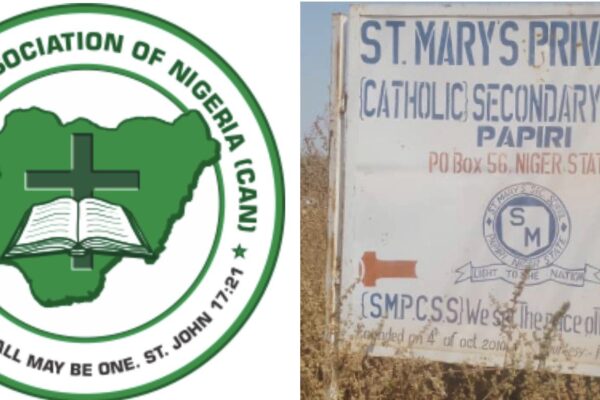
The Federal Government has ordered the temporary closure of 41 unity schools nationwide following a rise in attacks and student abductions. The directive, issued on Friday by Binta Abdulkadir, Director of Senior Secondary Education at the Federal Ministry of Education, is aimed at protecting the lives of students and staff amid growing security threats. “Due to recent security challenges in various parts of the country and to prevent any potential breaches, the Honourable Minister of Education has approved the immediate closure of the listed Federal Unity Colleges. Principals are instructed to ensure full compliance,” the circular stated. The affected schools include FGGC Minjibir, FGA Suleja, FTC Ganduje, FGGC Zaria, FTC Kafancha, FGGC Bakori, FTC Dayi, FGC Daura, FGGC Tambuwal, FSC Sokoto, FTC Wurno, FGC Gusau, FGC Anka, FGGC Gwandu, FGC Birnin Yauri, FTC Zuru, FGGC Kazaure, FGC Kiyawa, FTC Hadejia, FGGC Bida, FGC New Bussa, FTC Kuta-Shiroro, FGC Ilorin, FGGC Omu-Aran, FTC Gwanara, FGC Ugwolawo, FGGC Kabba, FTC Ogugu, FGGC Bwari, FGC Rubochi, FGGC Abaji, FGGC Potiskum, FGC Buni Yadi, FTC Gashau, FTC Michika, FGC Ganye, FGC Azare, FTC Misau, FGGC Bajoga, FGC Billiri, and FTC Zambuk. The closure follows a reported attack on St. Mary’s Private (Catholic) Secondary School in Papiri, Agwara Local Government Area of Niger State. According to SP W.A. Abiodun, the state police spokesperson, armed bandits invaded the school at around 2:00 a.m. on November 21, 2025, abducting an undetermined number of students from the hostel.

Read More

FG Warns That Ponmo Consumption Threatens Nigeria’s $5 Billion Leather Industry

The Federal Government has raised alarms over the growing consumption of hides and skins, commonly known as ponmo, warning that it threatens Nigeria’s $5 billion leather industry. At the National Campaign Against the Consumption of Ponmo held on Thursday in Abuja, Prof. Nnanyelugo Ikemounso, Director-General of the Raw Materials Research and Development Council, highlighted how diverting hides for food deprives local industries of crucial raw materials needed for leather production and export. “The Nigerian leather goods market was valued at $2.79 billion in 2024 and is projected to reach $4.96 billion by 2033,” Ikemounso said. “The continuous diversion of hides for ponmo consumption weakens our tanning and leather manufacturing sector and diminishes Nigeria’s competitiveness in the global market.” He described cowhides as one of Nigeria’s most valuable raw materials, with enormous potential for job creation, foreign exchange earnings, and contributions to GDP. Globally, the leather value chain is estimated to be worth between $420 billion and $1 trillion, and with the right policies, infrastructure, and raw material supply, Nigeria could significantly expand its share. Ikemounso clarified that the campaign is not aimed at opposing cultural practices or personal dietary choices but is intended to channel hides and skins toward productive industrial use for the nation’s benefit. “This campaign is a strategic intervention to prioritise the industrial use of hides and skins, particularly for leather production, which holds immense potential for economic growth, job creation, and export diversification,” he said. The DG also warned of serious health risks associated with ponmo, noting that it offers little nutritional value, being mostly collagen with negligible protein or micronutrients. He further cautioned that many hides used for consumption are treated with harmful chemicals such as formalin and diesel, which can cause organ damage and increase cancer risk. “From a nutritional perspective, ponmo offers very little value. More worrisome, many hides processed for consumption are subjected to harmful substances such as formalin and diesel, posing serious health risks, including organ damage and higher cancer risk,” he added. The government’s campaign aims to protect both public health and the long-term growth of Nigeria’s leather industry.

Read More
Petrol Price Hits ₦945/Litre at NNPC Stations Amid Soaring Global Oil Prices Petrol Price Hits ₦945/Litre at NNPC Stations Amid Soaring Global Oil Prices

FG Suspends 15% Import Duty on Petrol and Diesel

The Nigerian Midstream and Downstream Petroleum Regulatory Authority (NMDPRA) has announced the suspension of the 15 per cent ad-valorem import duty on imported Premium Motor Spirit (PMS) and Automotive Gas Oil (AGO), commonly known as petrol and diesel. The announcement was made in a statement signed by George Ene-Ita, Director of the Public Affairs Department, on Thursday. The 15 per cent import duty, which had previously sparked mixed reactions across the downstream sector, was initially introduced to protect local refineries. While supporters argued it would bolster domestic production, critics warned it could push up fuel prices, placing an additional financial burden on Nigerians. The duty had received presidential approval through a letter referenced PRES8197/HAGF/100/71/FIRS/40/88-2/NMDPRA/2, dated October 21, addressed to the Attorney General of the Federation and Minister of Justice, the Federal Inland Revenue Service (FIRS), and NMDPRA. The letter, titled “Re: Introduction of a Market-Responsive Import Tariff Framework on Premium Motor Spirit (PMS) & Diesel,” was signed by Damilotun Aderemi, Private Secretary to the President. The approval followed a request by FIRS Chairman Zacch Adedeji, who proposed the tariff to better align import costs with domestic economic conditions. Adedeji had indicated that applying the duty to the Cost, Insurance, and Freight (CIF) value could increase petrol prices by roughly N99.72 per litre. In its statement, NMDPRA reassured the public that there is sufficient supply of petroleum products nationwide. The Authority emphasized that volumes are being maintained within acceptable national sufficiency levels, especially during this peak demand period. “The Authority wishes to advise against hoarding, panic buying, or any unjustified increase in petroleum product prices. It should also be noted that the implementation of the 15 per cent ad-valorem import duty on imported Premium Motor Spirit and Diesel is no longer under consideration,” the statement said. NMDPRA further confirmed that domestic availability of petroleum products—including PMS, AGO, and Liquefied Petroleum Gas (LPG)—remains robust, sourced both from local refineries and imports, ensuring consistent replenishment of stocks at depots and retail outlets across the country.

Read More
FG Clarifies Position on ASUU Agreement, Says 2009 Accord Remains Last Signed Deal

Federal Government Cancels 2022 National Language Policy, English Becomes Official Instruction Language

The Federal Government has announced the cancellation of the 2022 National Language Policy, which previously required pupils from early childhood through Primary Six to be taught in their mother tongue or the language of their local environment. Education Minister Dr. Tunji Alausa made the announcement on Wednesday in Abuja during the opening of the Language in Education International Conference 2025, organised by the British Council. Under the new directive, English will now serve as the official language of instruction across all levels of Nigerian schools, from primary to tertiary. Alausa explained that research conducted by the Ministry of Education showed that the use of mother tongues as the primary medium of instruction contributed to poor performance in national examinations. “The National Policy on Language has been cancelled. English is now the language of instruction in our schools, from primary to tertiary levels. Language is one of the most powerful tools in education, and we must ensure it enhances learning across all subjects,” he said. The minister also cited Nigeria’s linguistic diversity as a major challenge, noting that implementation of the previous policy varied across regions, and in some areas, it was not applied at all. “Overuse of mother tongue from Primary One to Primary Six, and even into junior secondary classes, has led to a collapse in learning outcomes. Many students reach SS3 unable to read or write properly, resulting in failures in WAEC, JAMB, and NECO,” Alausa stated. Highlighting regional disparities, he added that while English is the language of national examinations, pupils are often taught in local dialects. “In Borno, the mother tongue is Hausa, but many speak Kanuri. In Lagos, areas like Ajegunle are dominated by southeastern residents, yet most teachers are Yoruba. A unified language of instruction is essential to bridge these gaps,” he explained. British Council Country Director Donna McGowan said the conference seeks to strengthen English language proficiency and introduce testing solutions to improve educational outcomes. She added that it gathers educators, researchers, and policymakers from Africa, South Asia, and the UK to explore how language can enhance inclusion and learning. The abolished 2022 Language Policy had aimed to promote indigenous languages and cultural heritage, recognising over 600 Nigerian languages, 29 of which are already extinct. However, it faced significant challenges, including limited teaching materials, inadequate teacher training, and the complexity of addressing Nigeria’s diverse linguistic landscape.

Read More
Peter Obi Condemns ‘Street Urchins’ Tag On Supporters, Says No Nigerian Is Without Value

Peter Obi Criticises Government Over Unpaid Super Eagles Allowances, Calls Nigeria “Now Disgraced Country”

Former Labour Party presidential candidate Peter Obi has criticised the Federal Government over reports that the Super Eagles have not received their allowances, describing the situation as a mark of a “now disgraced country.” Obi’s reaction comes after Super Eagles midfielder Alex Iwobi shared a video highlighting the poor condition of the team’s accommodation in Rabat, Morocco, ahead of Nigeria’s 2026 FIFA World Cup qualifying playoff against Gabon. In a statement on Tuesday via X, Obi said it was “truly unfortunate” that players who consistently give their best in representing the nation are still owed their entitlements, even as the government continues to spend on “needless lavish spending and political patronage.” He stressed that failing to properly care for national athletes sends the wrong message to Nigerian youth and urged authorities to prioritise the welfare of those who represent the country. Obi wrote: “It is truly unfortunate that our Super Eagles, who consistently give their best in representing our dear nation, are being owed their allowances. We always seem to find money to waste on needless lavish spending and political patronage, yet we cannot pay those who patriotically raise our flag, bring us pride, and serve with dedication. That is what is found in a ‘now disgraced country.’ When those who serve their country are not treated with dignity, it sends the wrong message to our youth, that hard work and service are not rewarded. Those who represent Nigeria deserve to be paid promptly and treated with respect. We must do better.”

Read More

FG Dismisses UK Travel Warning, Says Nigeria Safer Than Abroad

The Federal Government has rejected the United Kingdom’s recent travel advisory, asserting that Nigeria is safe for both citizens and foreign visitors amid ongoing security improvements. The UK’s Foreign, Commonwealth and Development Office warned against all travel to Borno, Yobe, Adamawa, Gombe, Katsina, and Zamfara states due to terrorism, kidnappings, and escalating violence. It also advised limiting travel to Bauchi, Kaduna, Kano, Kebbi, Jigawa, Sokoto, Niger, Kogi, Plateau, Taraba, and parts of the Federal Capital Territory, citing rising crime and potential unrest. Speaking to The PUNCH on Sunday, Minister of Information and National Orientation Mohammed Idris said the government is “fully aware of security challenges and is taking concrete steps to address them, ensuring safety for Nigerians and foreigners alike.” Idris highlighted that President Bola Tinubu has recently restructured top security positions and increased investments in military operations and intelligence, adding, “Our security challenges will soon be a thing of the past. Foreign nationals in Nigeria can feel confident about their safety as the government continues to enhance security measures.” The Gombe State Government described the advisory as “unfounded and unfair.” Ismaila Misilli, the state’s DG of Press Affairs, said Gombe remains one of Nigeria’s most peaceful states, with no record of insurgency, communal conflicts, or banditry in recent years. “Gombe is safe, welcoming, and open for business. We question the basis of the UK’s assessment,” he said. Kano State officials also downplayed the advisory, with Chief Press Secretary Mustapha Muhammad noting that the UK may not be aware of ongoing local security measures, including strategic deployment of military personnel to border areas to protect communities. Borno State highlighted significant progress in restoring peace. Governor Babagana Zulum’s Special Adviser on Security, General Abdullahi Ishaq (retd.), said Maiduguri is now safer than the nation’s capital, Abuja, citing successful community engagement that has led to numerous insurgent surrenders. He added that agricultural output has increased due to the relative peace in the region. The UK advisory also warned travelers about risks in the South-East, South-South, and South-West regions, including militant attacks, kidnappings, separatist clashes, and violent crimes in cities such as Lagos. Nigeria continues to face security challenges from Boko Haram insurgency, armed banditry, separatist movements, and militancy in the Niger Delta. Recently, US President Donald Trump designated Nigeria as a “country of particular concern,” citing threats to Christians and directing the Pentagon to consider military options. Idris refuted claims of religious persecution, stating that 17,000 terrorists are currently in custody and reiterating that the Federal Government is committed to ensuring safety for all. The government insists that despite challenges, significant progress has been made, and Nigeria remains safe for its citizens, investors, and foreign visitors.

Read More