FG Introduces Mandatory Pre-Employment Drug Testing For Public Service Applicants

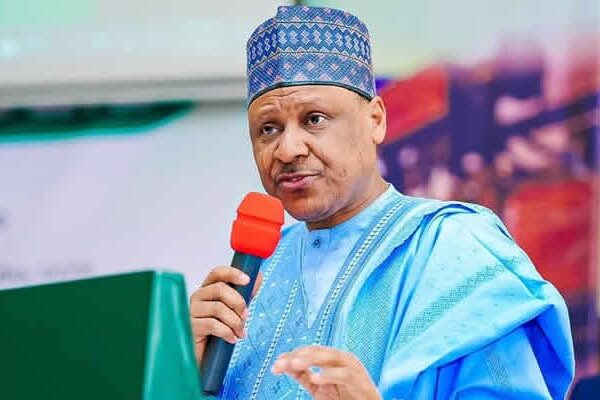
The Federal Government has introduced mandatory pre-employment drug testing for all candidates seeking to join the Public Service. Segun Imohiosen, Director of Information and Public Relations at the Office of the Secretary to the Government of the Federation, said the move is aimed at tackling the growing menace of illicit drug use and its impact on national development and security. Permanent Secretaries and Heads of Extra-Ministerial Departments and Parastatals have been directed to make drug testing a key part of their recruitment processes. The circular partly read, “The Federal Government has approved the introduction of mandatory pre-employment drug testing for prospective applicants into the Public Service as part of efforts to curb the rising problem of illicit drug use and its consequences on national development and security.” Imohiosen added that Ministries, Departments, and Agencies are expected to work with the National Drug Law Enforcement Agency (NDLEA) to conduct the tests in line with approved standards and procedures. “The directive, issued in a service-wide circular, reflects the administration’s determination to fight drug and substance abuse and shield the national workforce from harmful practices,” he stated. The policy responds to concerns about the rising rate of drug abuse among youths and its effects on public health, workplace productivity, socio-economic growth, and national security. This initiative follows other anti-drug measures in 2025, including mandatory testing for Nigeria Customs Service recruits in November and a nationwide university drug screening introduced in July.

Read More

JUST IN: FG Declares Kidnappers, Violent Armed Groups As Terrorists

The Federal Government has officially classified kidnappers and violent armed groups as terrorists, signaling a major escalation in Nigeria’s efforts to combat abductions, attacks on farmers, and rural insecurity. Information Minister Mohammed Idris announced the new designation on Monday during the end-of-year press briefing in Abuja. The move marks a shift from treating these crimes as ordinary offenses to addressing them under the nation’s full counterterrorism framework. “Henceforth, any armed group or individual that kidnaps our children, attacks our farmers, and terrorises our communities is officially classified and will be dealt with as a terrorist,” Idris said. He emphasized that the government will no longer allow ambiguity in labeling such threats. “Now, the era of ambiguous nomenclature is over. If you terrorize our people, whether you are a group or an individual, you are a terrorist and will be classified as such. There is no name hiding under this again,” he added. The minister explained that the policy will improve intelligence sharing and coordination among security agencies, allowing for faster and more decisive action against criminals. Idris highlighted the success of coordinated operations in 2025, which led to the capture of two of the continent’s most wanted criminals. To further secure vulnerable rural areas, the government will deploy trained forest guards tasked with surveillance, gathering local intelligence, and rapid response. These personnel are expected to disrupt criminal hideouts, dismantle camps, and secure remote locations often exploited by armed groups. Idris also revealed the capture of the ISWAP leader operating in Nigeria, describing him as one of Africa’s most wanted terrorists with a substantial U.S. bounty. “The ISWAP head residing in Nigeria has been captured through the coordination of all security agencies and intelligence units. Abu Barra was also apprehended a few months ago. Both are now facing justice,” he said. By classifying kidnappers and violent groups as terrorists, the government is sending a clear message of zero tolerance for abductions and rural violence, while expanding the powers of security forces to protect communities across Nigeria.

Read More

FG Declares December 25, 26 And January 1 Public Holidays For Christmas And New Year

The Federal Government has announced that Thursday, December 25, and Friday, December 26, 2025, will be observed as public holidays to mark Christmas and Boxing Day. In addition, Thursday, January 1, 2026, has been declared a public holiday for the New Year celebration. The announcement was made in a statement on Monday by Dr Magdalene Ajani, Permanent Secretary of the Ministry of Interior, on behalf of the Minister of Interior, Olubunmi Tunji-Ojo. The statement encouraged Nigerians to reflect on the values of love, peace, humility, and sacrifice associated with the birth of Jesus Christ. Tunji-Ojo also urged citizens, regardless of faith or ethnicity, to use the festive season to pray for peace, improved security, and national development. He further advised Nigerians to remain law-abiding and security-conscious during the celebrations, wishing everyone a Merry Christmas and a prosperous New Year.

Read More

FG Plans To Generate Over N150bn Annually From Vehicle Recycling By 2026

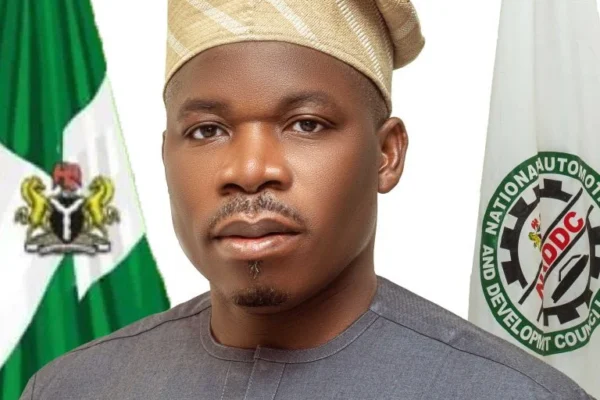
The Federal Government is preparing to unlock significant revenue from Nigeria’s vehicle recycling space, with projections showing the sector could generate more than N150bn annually from 2026 under new automotive industry reforms. The National Automotive Design and Development Council made this known on Sunday, with its Director-General, Joseph Osanipin, confirming that an End-of-Life Vehicle programme approved by the government will drive the initiative. Osanipin said the policy is designed to regulate the disposal and recycling of vehicles that have outlived their usefulness, converting a long-standing environmental and safety challenge into an organised economic system. “In developed countries, when you buy a new vehicle, during registration, you make a payment towards the disposal of that vehicle when it reaches the end of its life. When it gets to the end of its life, somebody has to be responsible for the disposal.” He explained that Nigeria will adopt a similar approach by introducing a small charge during vehicle registration to support proper recycling and environmentally safe disposal, acknowledging that the idea may face resistance at first. Osanipin noted that Nigeria already operates a vibrant informal market for used vehicle parts, commonly known as the Belgian parts market, driven largely by concerns about the durability of new components. He said findings by the council showed that more than 85 per cent of parts from end-of-life vehicles remain reusable or recyclable, providing a strong base for a structured circular economy. “If someone has an alternative, instead of abandoning vehicles by the roadside, you can turn them in and still make something out of them. The circular economy associated with this will be worth billions of naira every year, if well managed.” He added that the formal recycling framework would also create thousands of jobs across dismantling, refurbishment, logistics and component resale. The announcement comes amid a recovery in Nigeria’s vehicle import market. Data shows that passenger vehicle imports climbed to about N1.01tn in the first nine months of 2025, up from roughly N894bn recorded during the same period in 2024, reflecting renewed demand as foreign exchange conditions improved. Statistics from the National Bureau of Statistics indicated that the rebound gathered momentum in the third quarter of the year, outweighing weaker activity earlier in 2025. While the recovery highlights the strength of the fairly used vehicle segment, it also exposes ongoing challenges such as high landing costs and reliance on imports. As part of the reforms, the council plans to introduce mandatory pre-export certification for all used vehicles shipped to Nigeria from 2026, a move aimed at stopping the inflow of rusted and end-of-life vehicles. Osanipin said Nigeria’s absence of such requirements had made it attractive to exporters seeking to offload unroadworthy vehicles. “We will ensure that importers are held responsible so that whatever you are buying, you know what you are buying.” He added that exporters would cover the cost of certification, not Nigerian buyers. The council is also pursuing vehicle conversion from petrol and diesel to electric power and compressed natural gas in line with the National Automotive Industry Development Plan. Osanipin said training programmes on EV technology, vehicle conversion and alternative fuels were already underway. “Capacity building is one of the major pillars of the NAIDP. We have carried out training on vehicle conversion from PMS and diesel to CNG, as well as on electric vehicles.” He disclosed that National Occupational Standards for EV maintenance and CNG retrofitting have been developed, with certification programmes expected to begin by 2026. Osanipin also highlighted progress in local vehicle design, citing projects involving tricycles, buses and electric shuttle buses developed in partnership with 12 universities and private sector players. “We want what is taught in our institutions to reflect industry realities. Producing even a few world-class auto engineers locally will have a significant impact on the economy.” He stressed that component manufacturing remains the biggest value driver in the automotive sector, noting that Nigeria spends more on items such as tyres, brake pads, filters and batteries than on importing complete vehicles. The council, he said, is engaging stakeholders to address infrastructure, financing and policy challenges facing component manufacturers, especially as Nigeria positions itself to benefit from the African Continental Free Trade Area. Osanipin also revealed plans to strengthen the automotive policy through legislation, saying a draft Auto Industry Bill would soon be submitted to the National Assembly. “Investment in the auto sector is huge. They will need an Act.” He described 2026 as a defining year for Nigeria’s automotive industry and urged the media to help explain the reforms to the public as implementation begins. “When the pushback comes, we need you to explain to Nigerians what we are trying to do and why.”

Read More

Federal Government Reopens 47 Unity Schools After Security Upgrades

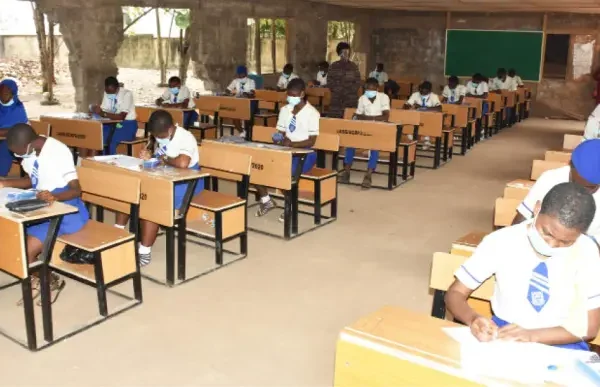
The Federal Government has reopened the 47 unity schools it closed in November, reaffirming its commitment to the safety of students and the continuity of education across Nigeria. Folasade Boriowo, spokesperson for the Federal Ministry of Education, said in a Thursday statement that academic activities have fully resumed following the reinforcement of security arrangements within and around the affected schools. “After the strengthening of security architecture within and around the affected schools, academic activities have fully resumed,” the statement read. Students have returned safely, with many completing their December academic programs while others have finished examinations. The ministry assured parents, guardians, and the public that the welfare and protection of students remain a top priority. The government emphasized that it will continue collaborating with security agencies to maintain stability and restore normalcy in school environments nationwide. “The Federal Government remains resolute in its responsibility to protect every Nigerian child and uphold their right to education in a safe and secure environment,” the statement added. The schools were initially closed after a series of security incidents, including two mass abductions of students in Kebbi and Niger states. Experts said the shutdown reflected the government’s acknowledgment of security challenges and the need for precautionary measures to protect students in vulnerable areas.

Read More

FG Imposes Immediate Nationwide Ban On Export Of Wood And Allied Products

The Federal Government has announced an immediate nationwide ban on the export of wood and related products, revoking all existing licences and permits. The directive was made public on Wednesday by the Minister of Environment, Balarabe Lawal, during the 18th meeting of the National Council on Environment held in Katsina State. Lawal explained that the move, contained in the Presidential Executive Order on the Prohibition of Exportation of Wood and Allied Products, 2025, aims to tackle illegal logging and deforestation across Nigeria. “Nigeria’s forests are vital for environmental sustainability, providing clean air and water, supporting livelihoods, conserving biodiversity, and helping mitigate climate change,” the minister said. He added that continued wood exports threaten these benefits and the long-term health of the environment. The policy mandates security agencies and relevant ministries to enforce a strict nationwide crackdown on illegal logging activities.

Read More

FG Sends High-Level Delegation To Burkina Faso Over Detained Nigerian Air Force Pilots

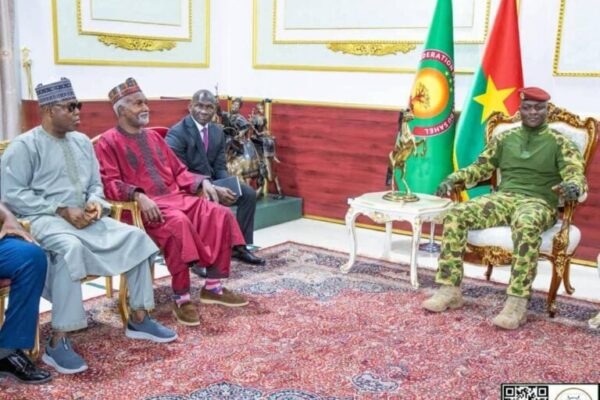
The Federal Government has dispatched a senior delegation to Burkina Faso to engage the authorities over the continued detention of Nigerian Air Force pilots and crew members. The team is headed by the Minister of Foreign Affairs, Ambassador Yusuf Tuggar, and is made up of top officials from the Ministry of Defence, the Ministry of Foreign Affairs and the Nigerian Air Force Headquarters. Officials familiar with the mission said the delegation has arrived in Ouagadougou and has begun discussions with Burkinabè officials in what were described as calm and constructive engagements. A meeting with Burkina Faso’s leader, President Ibrahim Traoré, is also expected to take place. According to a senior government source, the visit is aimed at reducing tensions, improving mutual understanding and securing the release of the NAF personnel, who have now been in detention for nine days. The source added that Nigeria is also using the opportunity to restate its dedication to regional security collaboration, dialogue and adherence to international aviation and military regulations. “The mission underscores Nigeria’s preference for diplomacy and neighbourly engagement. It is a confidence-building visit intended to strengthen mutual trust and reaffirm shared responsibilities in addressing the complex security challenges facing the Sahel.” It was further explained that Nigeria and Burkina Faso, alongside other members of the Alliance of Sahel States, have a long history of cooperation in security operations, training and regional stabilisation efforts, particularly in combating terrorism and violent extremism. During the talks, the Nigerian delegation is expected to emphasise the importance of sustained dialogue, respect for international standards and regional solidarity as key pillars for peace and stability in West Africa. Those involved in the diplomatic effort expressed optimism that the discussions would lead to a peaceful outcome, deepen bilateral relations and enhance joint initiatives to improve security across the region.

Read More

FG Bans Student Transfers Into SS3 Nationwide From 2026/2027 Session

The education ministry has announced a ban on the transfer of students into SS3 in both public and private secondary schools nationwide. The policy, outlined in a statement released on Sunday, will come into force from the 2026/2027 academic session. According to the ministry, the decision is aimed at addressing the “increasing incidence of examination malpractice” that has continued to weaken the credibility of Nigeria’s education system. Boriowo Folasade, director of press and public relations, explained that the move was prompted by rising concerns over the use of “so-called special centres” during external examinations. Under the new directive, student admissions and transfers will only be permitted into SS1 and SS2 from the 2026/2027 session. The ministry said this is intended to “discourage last-minute movement of students for examination-related advantages.” Folasade noted that the policy would also improve academic supervision, ensure continuity in teaching and learning, and allow schools to properly track students’ progress. School owners, principals and administrators across the country have been instructed to fully adhere to the directive. The ministry cautioned that any breach of the policy would attract sanctions in line with existing education regulations and guidelines.

Read More