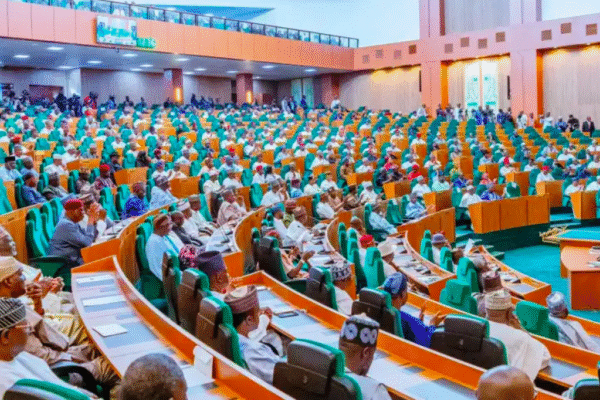
The House of Representatives has approved targeted changes to the Electoral Act, introducing tougher penalties for vote buying and selling. Offenders are now liable to a minimum of two years in prison, a N5 million fine, or both, in addition to a 10-year ban from participating in elections. The amendments were passed during a clause-by-clause review of the House Committee on Electoral Matters’ report, chaired by Deputy Speaker Benjamin Okezie Kalu. Under the updated Clause 22(a and c), penalties have been significantly increased from previous limits, which allowed fines of up to N500,000 or two years’ imprisonment. To strengthen election transparency, Section 60(3) has been revised to require the Independent National Electoral Commission (INEC) to transmit results electronically from polling units to the INEC Result Viewing Portal (IREV) in real time, alongside traditional physical collation. Presiding officers who intentionally violate procedures in counting, announcing, or transmitting results now face a minimum N500,000 fine, six months’ imprisonment, or both. Other key reforms include: Releasing election funds to INEC at least a year before general elections to improve planning and execution. Increasing penalties for multiple voter registration to a minimum N100,000 fine or one year imprisonment, or both. Extending the deadline for political parties to submit candidate lists from 180 to 210 days before elections. Allowing electronically generated voter identification, including downloadable voter cards with unique QR codes, for accreditation and voting. Chairman of the House Committee on Electoral Matters, Adebayo Balogun, explained that the House abandoned plans to repeal the Electoral Act 2022, instead choosing targeted amendments after broader proposals such as early voting, inmate voting, and PVC replacement failed to secure wide support. Balogun described the amendments as “very meaningful,” aimed at strengthening the Electoral Act 2022, addressing gaps, and improving election administration without destabilizing the legal framework. He stressed that the process was transparent and consultative, involving INEC, security agencies, civil society organizations, political parties, professional bodies, development partners, and citizens. While some innovative proposals were not adopted, they remain part of ongoing discussions on electoral reform. “Our goal remains clear: to ensure that every election in Nigeria is transparent, inclusive, secure, and truly reflective of the will of the Nigerian people,” Balogun stated.