Suspected Boko Haram Operative Confesses He Was Paid ₦100,000 For Maiduguri Mosque Bombing
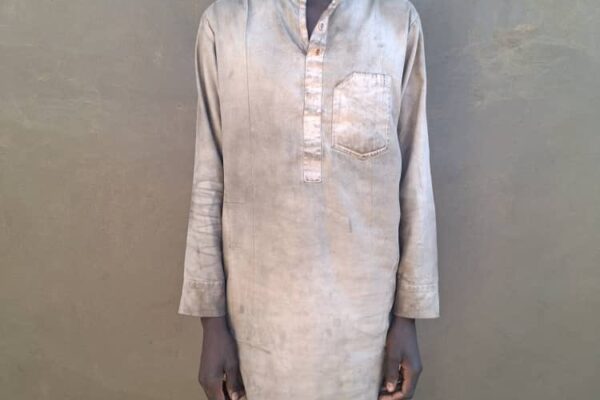
Ibrahim Mohammed, a suspected Boko Haram operative arrested over the deadly mosque bombing in Maiduguri, Borno State, has claimed he was paid about ₦100,000 to carry out the attack. The bombing occurred on Christmas Eve at a mosque in Gamboru Market, where a suicide bomber detonated an improvised explosive device (IED), killing five people and injuring 32 others. Mohammed, one of two suspects arrested by army troops in connection with the incident, said he carried out the operation on the instructions of his commanders, identified as Adamu and Abubakar. According to counterinsurgency platform Zagazola Makama, he revealed that the attack was coordinated by Boko Haram leaders operating between Adamawa State and the Mandara Mountains. “We came after Zuhur and Asr prayers when the mosque was empty. We entered pretending to pray. My colleague was digging to plant the IED in the middle of the mosque while I was digging by the side,” he said. After the explosion, Mohammed said he returned to the scene pretending to be a first responder and assisted in evacuating victims. “When I returned to the mosque, they were evacuating dead bodies. I helped them convey the corpses and injured people in emergency vehicles,” he said. The suspect disclosed that he later moved to Yobe State for additional assignments, including reconnaissance on military positions and hunters’ groups. He said he was paid between ₦70,000 and ₦100,000 for each mission. “After the mission, I proceeded to Yobe for another assignment, to carry out recce on military positions and hunters’ groups for possible attacks on new recruits,” he said. “I was paid money ranging from ₦70,000 to ₦100,000 per mission.” Mohammed also claimed he was part of a wider terror network responsible for multiple attacks across the North-East, linked to factions of Jama’atu Ahlis Sunna Lidda’awati wal-Jihad (JAS), Ansaru, and Jama’at Nusrat al-Islam wal-Muslimin (JNIM). He was arrested on Monday in Damaturu by local hunters working with Operation Hadin Kai during a raid on a suspected hideout. Security sources said his presence among a group of Almajiri pupils raised suspicion, leading to his arrest and interrogation. The suspect further disclosed that there were plans to attack the new Izala Mosque near Tashan Joni, but the operation was abandoned due to heightened security in the area.