

Banks To Charge N50 Stamp Duty On Transfers Of N10,000 And Above From January 2026

Starting January 1, 2026, banks in Nigeria will begin charging a N50 stamp duty on electronic transfers of N10,000 and above, following the implementation of the new Tax Act. The stamp duty, also known as the Electronic Money Transfer Levy (EMTL), is a one-off charge applied to any electronic transfer or receipt of money in commercial banks or financial institutions for sums of N10,000 and above, regardless of the type of account. In a Tuesday email to customers, United Bank for Africa (UBA) clarified that the N50 EMTL will now be officially referred to as stamp duty across all financial institutions. The email stated: “Stamp Duty applies to transactions of N10,000 and above (or the equivalent in other currencies). Salary payments and intra-bank self-transfers are exempt. The sender will now bear the Stamp Duty charge. Previously, this charge was deducted from the beneficiary/receiver.” UBA emphasized its commitment to transparency and keeping customers informed about changes affecting banking transactions. The introduction of the N50 stamp duty was first announced by Nigerian fintech firms on September 7, 2024. According to the fintechs, the move aligns with regulations from the Federal Inland Revenue Service (FIRS) and will apply to electronic transfers into both personal and business accounts.

Read More

House of Reps Passes Bill to Prohibit Contract and Casual Staff Employment in Nigerian Banks

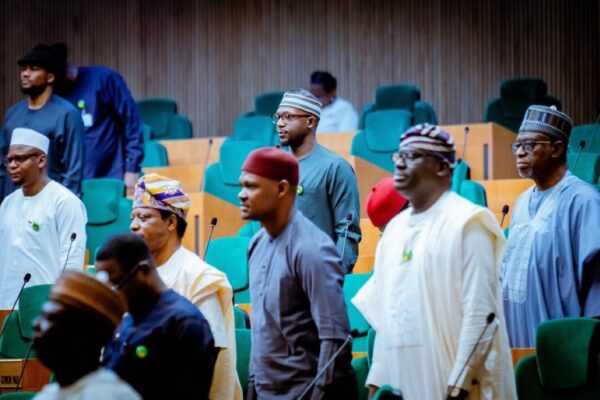
The House of Representatives has advanced a bill seeking to regulate employment practices in Nigerian banks, passing its second reading on Thursday. The legislation, sponsored by Fuad Laguda, an APC member representing Surulere I federal constituency in Lagos, aims to amend the Banks and Other Financial Institutions Act 2020 to “prohibit, criminalise and penalise” the hiring of casual or contract staff by banks. Speaking during plenary, Laguda said the bill is intended to address exploitative practices affecting millions of Nigerians employed on casual or contract terms in the banking sector. He noted that current laws, including the Labour Act 2004 and the Employees’ Compensation Act 2010, do not adequately protect these workers’ welfare. Laguda cited a 2023 report by the Chartered Institute of Bankers of Nigeria (CIBN), stating that banks rely on casual and contract workers to cut costs for pensions, minimum wages, health insurance, promotions, bonuses, study grants, and severance packages. He added that such workers constitute roughly 65 percent of the banking workforce. The bill also targets breaches of section 7(1) of the Labour Act 2004, which limits employment without formal recognition to three months. “I urge my colleagues to support this bill because it corresponds with the viewpoints of the governor of the Central Bank of Nigeria, Mr Olayemi Cardoso, who said casual and contract staff in Nigerian banks are exposed to poor working conditions,” Laguda said. He further explained that banks often hire casual and contract employees to avoid legal obligations, leaving them vulnerable to systemic inequalities, emotional abuse, and mental health challenges. Deputy Speaker Benjamin Kalu called for a voice vote, and lawmakers unanimously approved the bill, moving it forward in the legislative process.

Read More

CBN, Partners host 2nd IFIC; unveil We-Fi Code, WFID, roadmap for FDPs

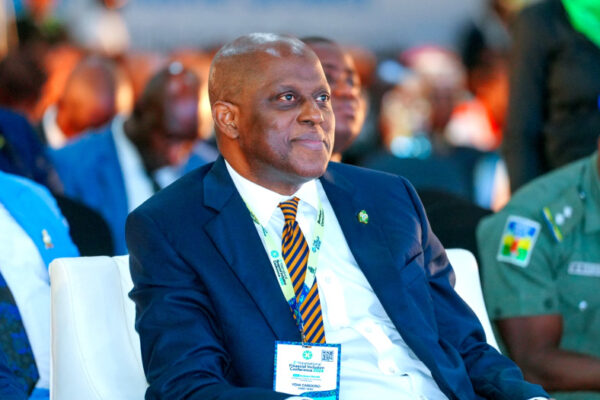
Central Bank of Nigeria (CBN) Governor, Mr. Olayemi Cardoso has reaffirmed that inclusive finance is not just about access to banking—it is the bedrock for #EconomicGrowth in Nigeria. Cardoso restated this at the 2nd International Financial Inclusion Conference (IFIC) in Lagos on Tuesday.  He craved for Bank’s unwavering commitment to financial inclusion, just as he pledged to reduce barriers and make finance accessible to all.  “By reaching the unbanked, we are building a resilient, $1 trillion economy. “Financial inclusion is not just a goal; it is key to poverty reduction, income equality, and economic growth. For Nigeria, this means empowering citizens to save, invest, and thrive economically. “Women are essential to Nigeria’s economic growth, yet they face financial exclusion. When women thrive financially, they uplift families and communities. The CBN is committed to closing this gap, offering support for women and youth to achieve financial independence and drive economic growth,” Cardoso assured.  Nigeria is advancing in financial inclusion through resilient policies, digital solutions, and financial literacy programmes that empower young Nigerians to achieve financial independence, foster entrepreneurship, and drive growth. Let us invest in the next generation!  In a similar vein, CBN Deputy Governor, Financial System Stability (FSS), Mr. Phillip Ikeazor, called for greater teamwork across government, private sector, FinTech, and civil society to achieve the goal of 95% financial inclusion by 2024.  “Nigeria’s commitment to the #MayaDeclaration has driven progress in financial access. Since our 2012 National Financial Inclusion Strategy, the adult exclusion rate dropped from 46.3% in 2010 to 26% in 2023. A collaborative journey!”

Read More