At Least 11 Killed In Antisemitic Attack On Hanukkah Celebration At Sydney’s Bondi Beach

Bondi Beach saw a horrific attack on Sunday when two gunmen opened fire during a Hanukkah celebration, leaving at least 11 people dead. Australian Prime Minister Anthony Albanese described the assault as an act of antisemitic terrorism that struck at the heart of the nation. The shooting occurred at the Chanukah by the Sea event, one of the many gatherings held to mark the start of the eight-day Jewish festival, at one of Sydney’s most iconic beaches. While Australia has experienced a rise in antisemitic incidents over the past year, authorities have not linked them to Sunday’s attack. Police said one gunman was fatally shot at the scene, while the second was arrested and is in critical condition. One of the suspects was reportedly known to security services, though there had been no specific threat. At least 29 others were injured, including two police officers, according to New South Wales Police Commissioner Mal Lanyon. Investigators are also examining several suspicious items, including improvised explosive devices found in one of the suspects’ vehicles. “This attack was designed to target Sydney’s Jewish community,” said New South Wales Premier Chris Minns. The violence erupted late in the afternoon as thousands of beachgoers enjoyed the summer day. Eyewitnesses described chaos as people ran from the water while gunfire rang out. Footage showed two men in black firing rifles from a footbridge above the event, while a separate dramatic clip captured a bystander tackling and disarming one of the gunmen before setting the weapon on the ground. Minns called the man a “genuine hero.” Among the dead was Rabbi Eli Schlanger, assistant rabbi at Chabad of Bondi and a key organizer of the event, according to the Orthodox Jewish movement. Israel’s Foreign Ministry also confirmed that one of the victims was an Israeli citizen. The attack, the deadliest in Australia in nearly 30 years, has left the nation grappling with grief while authorities continue to investigate the motive and circumstances surrounding the tragedy.

Read More

Australia Officially Bans Social Media Use For Under-16s

Australia has officially enforced a ban on children under 16 using social media, with the law taking effect today, December 10. Prime Minister Anthony Albanese hailed the legislation as a “world-leading social media law” designed to protect children and give parents more control over their online activity. The Online Safety Amendment (Social Media Minimum Age) Bill 2024, passed last November, now restricts access to major platforms including Instagram, Facebook, TikTok, X, Snapchat, YouTube, Reddit, and Kick. Under the new rules, social media companies are required to take reasonable measures to prevent underage users from creating accounts. Previously, most platforms allowed users aged 13 and above, but enforcement had been weak, with many children under the minimum age still active online. Albanese said the law is aimed at allowing children to “be kids” while encouraging stronger conversations between parents and their children about online safety. Experts have long warned that excessive social media use can affect young users’ mental health, though it also offers access to information and support networks. Australia’s move follows similar proposals in Denmark and Norway, which are looking to restrict social media access for children under 15.

Read More

24th FIFA U20 World Cup: Flying Eagles Take on Australia in Another Friendly Match

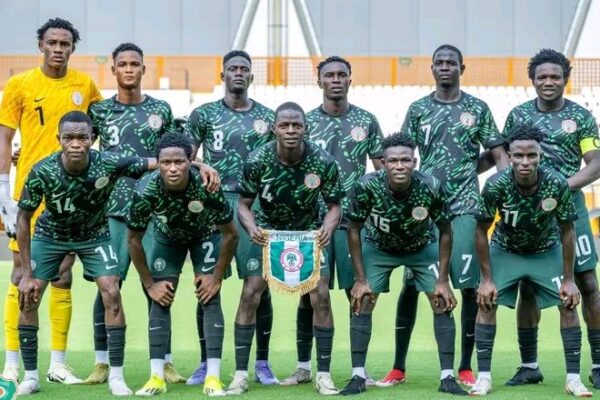
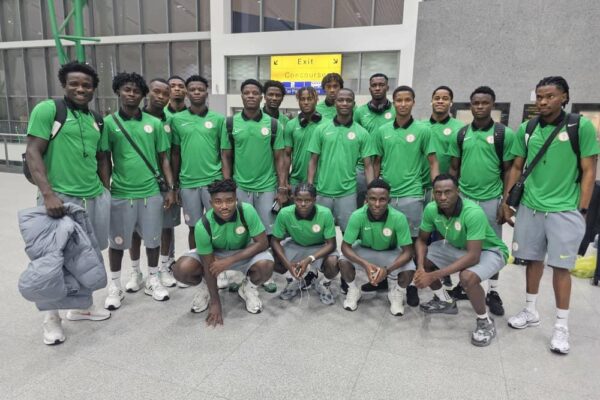
Nigeria’s U20 boys, Flying Eagles, will take on their Australian counterparts in a friendly game on Tuesday. The encounter is part of both teams’ preparations for the 24th FIFA U20 World Cup finals starting in Chile on Saturday. The match, which will be played at the Complejo Deportivo Ruca Mapu in the city of Santiago, will kick off at 5pm Chile time (1pm in Nigeria). On Saturday, Chile’s U20 boys forced the Flying Eagles to a 1-1 draw in a friendly in Rancagua, with Ahmed Akinyele scoring for Nigeria in the 18th minute, before a 36th minute equalizer by Felipe Faúndez. Australia will play in Group D alongside Italy, Cuba and Argentina, while Nigeria will contend with Norway, Saudi Arabia and Colombia in Group F.

Read More
Canada and Australia Join UK in Recognising Palestinian Statehood

Canada and Australia Join UK in Recognising Palestinian Statehood

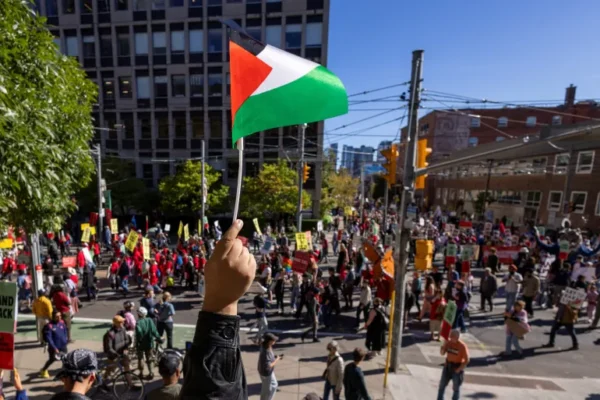
Coordinated move comes ahead of the UN General Assembly, as global support for a two-state solution gains momentum. By Kamal Yalwa | Published September 21, 2025 Canada and Australia have officially recognised the State of Palestine, joining the United Kingdom in a coordinated diplomatic move aimed at reviving efforts toward a two-state solution in the Middle East. The announcement comes just days ahead of the United Nations General Assembly in New York, as international pressure mounts over Israel’s ongoing war in Gaza and continued settlement expansion in the occupied West Bank. In a formal statement, Canadian Prime Minister Mark Carney declared Canada’s recognition of Palestinian statehood, stating: “Canada recognises the State of Palestine and offers our partnership in building the promise of a peaceful future for both the State of Palestine and the State of Israel.” Carney also condemned the Israeli government’s ongoing actions, accusing it of working “methodically to prevent the prospect of a Palestinian state from ever being established.” He clarified that this recognition supports peaceful coexistence and strengthens moderate voices within the Palestinian Authority, not extremist factions: “This in no way legitimises terrorism, nor is it any reward for it. Recognising Palestine empowers those seeking peace and the end of Hamas.” Carney also revealed that the Palestinian Authority had made direct commitments to Canada, including pledges to reform its governance, hold democratic elections next year—excluding Hamas—and begin demilitarisation efforts. Australia Echoes Canada’s Move Shortly after Canada’s announcement, Australian Prime Minister Anthony Albanese also confirmed his country’s formal recognition of Palestine. In a joint statement with Foreign Minister Penny Wong, Albanese said the decision was made in coordination with Canada and the UK. The statement called for an immediate ceasefire in Gaza and the release of hostages, while stressing that Hamas “must have no role in Palestine’s future.” UK Adds Diplomatic Weight UK Prime Minister Keir Starmer, who had already signalled support for Palestinian statehood earlier this year, formally confirmed Britain’s recognition following the announcements from Ottawa and Canberra. “This move revives hope for peace for both Palestinians and Israelis, and reaffirms our commitment to a two-state solution,” Starmer said. Growing Global Shift The coordinated move from Canada, Australia, and the UK—three longstanding allies of Israel—marks a significant shift in the international approach to the Israeli-Palestinian conflict. The recognition follows months of escalating violence in Gaza, where over 65,200 Palestinians have been killed according to local health authorities. Israel has faced increasing international isolation, with mounting criticism from both governments and civil society groups. At a protest in Toronto on September 20, thousands marched against Prime Minister Carney’s domestic policies and in support of Palestinian rights, reflecting the growing public pressure shaping foreign policy in Western democracies. Meanwhile, Israel and the United States have warned that recognising Palestinian statehood amid ongoing conflict “rewards terrorism,” arguing it legitimises Hamas. Israeli opposition leader Benny Gantz criticised the announcements, claiming they embolden Hamas and undermine hostage negotiations: “If you truly want peace in the Middle East, Western leaders must focus on applying pressure on Hamas—not legitimising them through premature recognition,” Gantz posted on social media. Recognition Gains but UN Status Still Stalled So far, 147 of 193 UN member states have recognised the State of Palestine. However, this symbolic recognition does not translate into full UN membership, which requires approval from the Security Council—a move currently blocked by the United States’ veto power. Still, momentum is building. France and several other nations are expected to follow suit during the UN General Assembly. Some Western countries have also begun imposing sanctions on Israel or threatening diplomatic boycotts. Notably, nations like Spain, Ireland, and the Netherlands have pledged to withdraw from the Eurovision Song Contest if Israel participates next year. Even Israeli Prime Minister Benjamin Netanyahu recently acknowledged the shifting global stance, admitting that Israel is experiencing a form of international isolation and will need to adapt its economy accordingly.

Read More

Int’l Friendlies: Flying Eagles to Take on Chile, Australia

The Nigeria Football Federation has finalized arrangements for the U20 boys, Flying Eagles to sharpen their skills and competition-readiness with two friendly games against host nation Chile and Australia, ahead of this year’s FIFA U20 World Cup finals. Head of International Competitions, Dayo Enebi Achor, confirmed that the two-time silver medallists of the FIFA U20 World Cup will take on host nation Chile, who play in Group A of the competition alongside New Zealand, Japan and Egypt, on Saturday, 20th September. Nigeria, who also won the bronze medals when then USSR hosted the championship in 1985, will then confront Australia, who play in Group D alongside Italy, Cuba and Argentina, on Tuesday, 23rd September. Nigeria reached the quarter-finals of the last edition hosted by Argentina before a one-goal defeat by Korea Republic after extra-time in Santiago del Estero.

Read More