
Obasanjo Claims He Cannot Confirm His Age, Cites Surviving Classmates as Reference
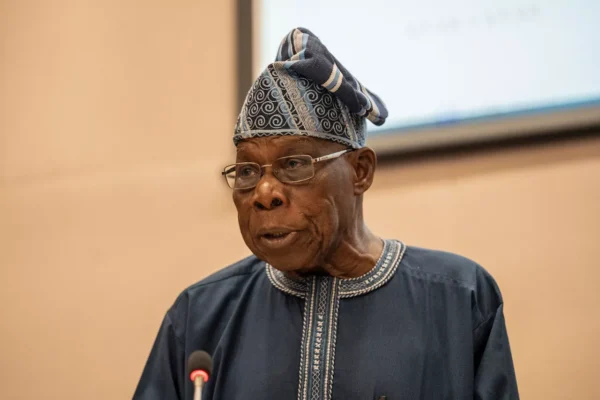
Former Nigerian President Chief Olusegun Obasanjo has once again revealed that he does not know his exact age, explaining that estimates can only be made by comparing it with the ages of his surviving former classmates. Speaking on Sunday at the Toyin Falola Interview Series titled “A Conversation with His Excellency, Chief Olusegun Obasanjo,” the former president noted that several of his primary and secondary school contemporaries are still alive, none younger than 90. The session was moderated by Professor Toyin Falola, with Bishop of Sokoto Diocese Dr. Matthew Kukah and former presidential candidate Professor Kingsley Moghalu also in attendance. Obasanjo took the opportunity to discuss the purpose of his presidential library, describing it as a repository for preserving national records and strengthening institutional memory. He revealed that over three million documents have already been digitized, with an equal number yet to be processed. “The idea is that when these materials are digitalized, people can have access to them. As document preservation, we preserve the past, take note of the present, and aim to inspire the future,” he said. The library contains a wealth of personal and historical records, including his academic files, letters, and manuscripts. Notable items include a letter he wrote to former military ruler General Sani Abacha after the death of his son, a letter to his wife during his imprisonment, and manuscripts of books he authored while in confinement. Despite these detailed records, Obasanjo said he still could not definitively state his age. “I don’t know my exact age, but I could judge from those who were in school with me. For instance, Olubara (Oba Jacob Olufemi Omolade, the Olubara of Ibara) is still alive. I believe there are six of my classmates in secondary school that I know are still alive, and none of them is less than 90 years old. So I leave it to you to guess what my age could be,” he said. He added that his preserved school record cards, manuscripts, and other materials became part of the presidential library, emphasizing the importance of maintaining institutional memory. “One of the things we don’t do well in our society is keeping records. Institutional memory is not something we prioritize,” Obasanjo noted. The presidential library, he explained, is designed not only to preserve history but also to provide future generations with access to important national and personal archives, ensuring lessons from the past can guide the future.