
Peter Obi Can Never Be President, Opposition Is Power – Fayose
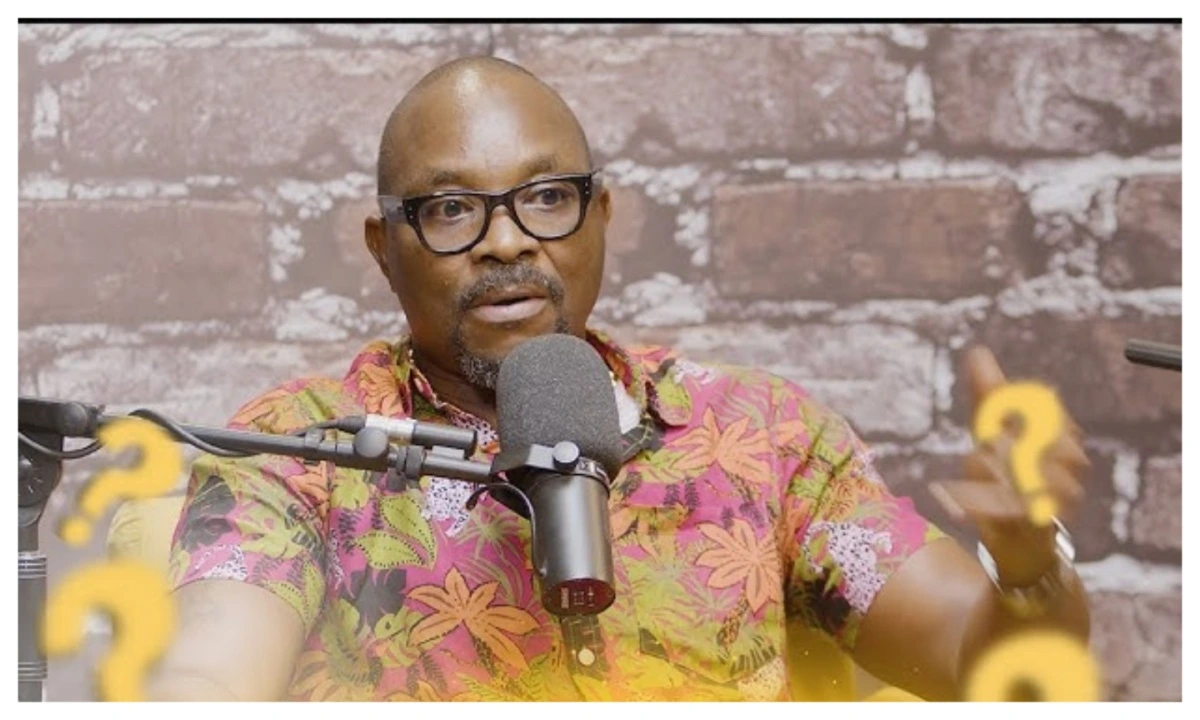
Isaac Fayose, brother of former Ekiti State governor Ayodele Fayose, has voiced strong disappointment over the state of Nigeria’s democracy, describing the opposition as weak and ineffective.
In a video shared on X, Fayose criticised what he called the collapse of the country’s political and electoral systems, arguing that genuine democratic competition no longer exists.
According to him, emerging political platforms stand little chance of success, insisting that leadership outcomes are now determined by selection rather than popular vote. “ADC is dead on arrival. Peter Obi can never be president. Nobody can be president again unless they select you,” he said.
Fayose faulted the Senate’s refusal to approve key electoral reforms, as well as what he described as the erosion of judicial independence, warning that these factors have stripped Nigerians of any meaningful opposition.
“Electoral reform is gone. Even the initiatives that Jonathan started have been thrown into the dustbin. No more BVAS,” he lamented.
Describing the situation as both a personal and national tragedy, Fayose said the current state of affairs reflects a generational failure. “This is the saddest day of my life. Our generation were unable to change this. We lost the country,” he stated.
He also decried the deterioration of public services, including healthcare, policing, and customs operations, blaming political leadership for the widespread dysfunction.
Urging Nigerians to accept the political reality, Fayose added, “We lost it. We lost Nigeria. Nigeria is gone. Just fighting is just stressing yourself at this juncture.”
His comments come amid public reactions to the Senate’s passage of the Electoral Act 2022 (Repeal and Reenactment) Amendment Bill 2026. The upper chamber declined to approve an amendment that would have made electronic transmission of election results mandatory.
In response to the backlash, Senate President Godswill Akpabio clarified that lawmakers did not scrap electronic transmission entirely but only rejected making real-time transmission compulsory, leaving the provision optional under the law.