GTB bank silences Very dark man

GTB Bank’s Arrest of VDM: An Attempt to Silence the Voice of the Voiceless

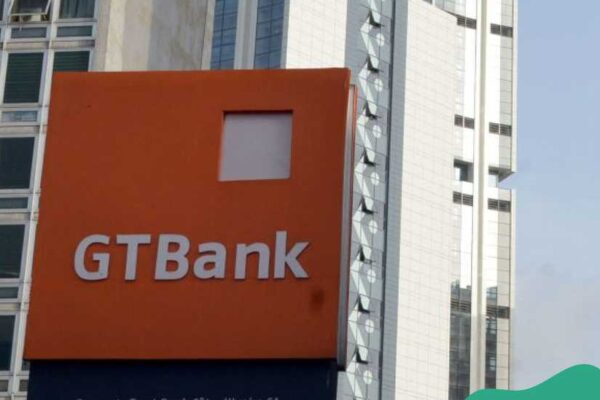
On May 2, 2025, a troubling incident unfolded in Abuja, Nigeria, that has sparked widespread outrage and raised critical questions about the abuse of power by institutions meant to serve the public. Martins Vincent Otse, popularly known as VeryDarkMan (VDM), a vocal social media activist and self-proclaimed advocate for the marginalized, was arrested at the premises of Guaranty Trust Bank (GTB). The reason? VDM had publicly called out the bank for alleged unauthorized deductions from his mother’s salary account, accusing GTB of debiting funds for a loan she never took. This arrest, reportedly orchestrated with the involvement of the Nigeria Police Force and the Economic and Financial Crimes Commission (EFCC), is being widely condemned as an attempt to silence a voice that has consistently spoken out for the voiceless. Additionally, GTB Bank is one of Nigeria’s most vulnerable banks to hackers and fraudsters. There have been several reported and unreported cases of people having their accounts hacked, with nothing concrete being done. The Incident: A Stand for Justice Met with Suppression VDM’s activism has made him a polarizing yet influential figure in Nigeria. Known for his unapologetic approach to confronting perceived injustices, he has built a reputation as a champion for ordinary citizens facing exploitation. In this case, VDM accompanied his mother to GTB’s Abuja branch to demand answers about unauthorized deductions from her account. According to reports, these debits, which began earlier in 2025, were linked to a supposed loan tied to her National Identification Number (NIN)—a loan she claims she never applied for. Frustrated by the bank’s alleged inaction, VDM took to social media to publicize the issue, a move consistent with his advocacy style. Instead of addressing the complaint transparently, GTB’s response was shocking. VDM was arrested on the bank’s premises, reportedly after being locked inside an exit door for over five minutes to facilitate his apprehension by security operatives. His friend, who accompanied him, was also detained. According to VDM’s lawyer, Deji Adeyanju, the social media critic was subjected to “inhumane treatment” during the ordeal, prompting plans for legal action against GTB and the involved security agencies. A Pattern of Silencing Dissent This incident is not just about VDM; it reflects a broader pattern of powerful institutions attempting to suppress those who challenge their authority. VDM’s arrest sends a chilling message to ordinary Nigerians: questioning a bank’s practices or demanding accountability can lead to intimidation and detention. As Adeyanju stated on X, “Demanding accountability is not a crime, and no one should be punished for standing up for their rights.” GTB’s actions raise serious concerns about the state of consumer rights in Nigeria. If a bank can allegedly order the arrest of a customer for raising a legitimate grievance, what hope is there for the average citizen without a platform or resources to fight back? VDM’s outspokenness has made him a target, but it also underscores his role as a voice for the voiceless—those who face systemic exploitation but lack the means to challenge it. The Voiceless and the Power of VDM’s Platform VDM’s activism, while sometimes controversial, has resonated with millions because it amplifies the struggles of everyday Nigerians. From exposing fraudulent practices to advocating for the marginalized, he has used his platform to hold powerful entities accountable. His arrest at GTB is seen by many as an attempt to intimidate not just him but anyone who dares to speak out against institutional malpractice. As one X user put it, “VDM was only seeking justice for his mother. GTBank should be answering questions, not silencing voices.” The public reaction on platforms like X has been swift and fierce. Netizens have condemned GTB, with some calling for a boycott of the bank and others labeling the arrest as “draconian.” The sentiment is clear: GTB’s alleged role in VDM’s detention is perceived as an attack on free speech and consumer rights. Posts on X highlight the growing frustration with institutions that prioritize their image over addressing legitimate grievances. The Bigger Picture: Accountability and Institutional Power This incident exposes a deeper issue in Nigeria’s financial and legal systems: the lack of accountability for powerful institutions. Banks like GTB wield significant influence, and their ability to allegedly mobilize security agencies against a customer raises questions about the misuse of power. If VDM, a public figure with a large following, can be treated this way, what happens to ordinary Nigerians who face similar issues but lack the visibility to draw attention? Moreover, the involvement of the EFCC in VDM’s detention adds another layer of concern. The anti-corruption agency’s role in what appears to be a civil dispute between a customer and a bank suggests a possible overreach of authority. This incident underscores the need for clearer boundaries between financial institutions, security agencies, and the judiciary to prevent the weaponization of state power against individuals seeking justice. A Call to Action: Amplifying the Voiceless VDM’s arrest is a wake-up call for Nigerians to demand greater transparency and accountability from institutions like GTB. It also highlights the importance of protecting voices like VDM’s, which, despite their imperfections, shine a light on issues that affect the marginalized. His detention is not just an attack on him but an attempt to silence the voiceless—those who rely on advocates like him to expose injustices. As this story continues to unfold, it’s crucial for citizens to rally behind the cause of consumer rights and free speech. Legal action against GTB, as promised by VDM’s lawyer, could set a precedent for how banks and institutions handle customer complaints. Nigerians must also hold security agencies accountable for their role in what many see as an unjust arrest. Conclusion: The Fight for Justice Continues The arrest of VeryDarkMan at GTB is a stark reminder of the challenges faced by those who dare to challenge powerful institutions. It’s a test of Nigeria’s commitment to justice, free speech, and the protection of consumer rights. VDM’s fight is not just his own—it’s a fight for every Nigerian who has ever felt…


Read More

Uyo Gears Up for MTN CHAMPS Grand Finale, Top 40 MVP Athletes Announced

The Grand finale of the third season of MTN CHAMPS is set to hold in Uyo, from May 6–9, 2025, at the Godswill Akpabio International Stadium. Ahead of the much-anticipated event, a list of the Top 40 standout athletes, dubbed Team MVP, has been unveiled, spotlighting some of the brightest young talents from secondary schools across Nigeria. MTN CHAMPS, an initiative launched by MTN Nigeria in partnership with Making of Champions, provides a nationwide platform for discovering, nurturing, and celebrating the next generation of Olympic hopefuls. Through regional legs in cities like Benin and Lagos, MTN CHAMPS has attracted thousands of young athletes, unearthing future stars and giving them access to elite training, visibility, and community support. The Grand Final in Uyo will bring together 2,186 athletes from 136 secondary schools and 93 club teams to compete in more than 5,800 entries across multiple events. However, all eyes will be on the 40 elite athletes selected for Team MVP, selected based on their exceptional performances in previous MTN CHAMPS meets in Lagos and Benin. See the full list of athletes below: Cadet Girls – Team MVP (5) Cadet Boys – Team MVP (4) Youth Girls – Team MVP A (7) Youth Girls – Team MVP B (6) Youth Boys – Team MVP A (6) Youth Boys – Team MVP B (5) Junior – Team MVP (7 girls) Speaking ahead of the final, MTN Nigeria’s Chief Marketing Officer, Onyinye Ikenna-Emeka has emphasised the company’s commitment to youth empowerment through sports. “MTN Champs is a platform that continues to grow, transform and inspire the future of athletes and athletics in Nigeria. At MTN, we remain committed to supporting the dreams and aspirations of Nigeria, not only through innovative products, but involvement in socially impactful initiatives especially in football and athletics,” she said. The MVPs will be unveiled in their new kits at the official press conference in Uyo on Monday, May 5. From cadets to juniors, these athletes will compete across categories, testing their talent against the nation’s best in a thrilling four-day contest that promises to celebrate speed, skill, and sportsmanship. With Uyo set to welcome some of Nigeria’s most promising young stars, MTN CHAMPS continues to redefine the landscape of school sports, changing lives, realising dreams and building Nigeria’s new generation of champions.

Read More

Egypt 2025: Nigeria to Go Hard on Morocco For Early Ticket into Quarter Finals

Another North African delicacy is served to the Flying Eagles as they confront Morocco in Group B’s top-of-the-table clash at the 30 June Air Defence Stadium in Cairo on Sunday evening. Auwal Ibrahim’s 37th minute strike snatched the maximum points against the Tunisians on Thursday, but Morocco then upstaged a very good Kenyan side 3-2 in the day’s second match to crawl to the top of the table on goals’ difference. For the second time in consecutive games, the Lion Cubs also face the daunting challenge of a sub-Saharan squad weaned on power, pace and clinical delivery, and the night encounter in downtown Cairo promises fireworks and cutting-edge entertainment. Goalkeeper Ebenezer Harcourt, who plays his club football for exciting Lagos ensemble, Sporting Lagos, came up with a big save three minutes to the end against Tunisia, and will surely be called on for more interventions against the Lion Cubs who are not shy to shoot from any distance. Captain Daniel Bameyi, Adamu Maigari, Caleb Ochedikwu and Odinaka Okoro built a tight rearguard on Thursday, and must be even more alert on Sunday to protect Harcourt, and also feed midfielders Divine Oliseh and Clinton Jephta as the Flying Eagles push forward. CAF’s brandishing of forward Kparobo Arierhi (who scored three goals at the WAFU B U20 Championship and netted one of the goals in the 2-1 defeat of hosts Egypt in a friendly last week) as one of the players to watch out for in Egypt, has cast the Norway-based as a goldfish, and the tight marking by Tunisian defenders was surely as a result of the searchlight. Nonetheless, Arierhi must endeavour to prove himself going forward, and Head Coach Aliyu Zubairu’s desire for an early ticket to the quarter finals means the forward must diligently seek to extricate himself from any contrived mesh. Auwal Ibrahim, hero against Tunisia, showed he is capable of a quick-slip-and-delivery, and will also be relied on to carve the Moroccan defence open and hurt them on the break. Victory will take the Flying Eagles to the top of the pool, and a confirmed spot in the quarter finals, ahead of their last group phase feud with Kenya on Wednesday.

Read More

FG Orders Foreigners With Expired Visas to Leave Nigeria Within 3 Months

The Federal Government of Nigeria has issued a firm directive mandating all foreign nationals with expired visas to exit the country within a three-month grace period. This was announced in a statement by the Nigeria Immigration Service (NIS) on Friday, May 2, 2025. Signed by NIS spokesperson Akinsola Akinlabi, the directive warns that beginning September 2025, any foreigner who overstays their visa will incur a daily penalty of $15 and may face a re-entry ban of up to five years or permanent blacklisting. The NIS emphasized that the grace period will end on August 1, 2025, and that those affected must either regularize their status or leave Nigeria to avoid penalties. The agency reiterated its commitment to enforcing immigration rules and urged all foreigners to comply fully with the updated guidelines. As part of the new enforcement framework, the NIS also announced the rollout of a mandatory online landing card for all inbound foreign travelers and an exit card for those departing the country. These documents must be completed at lecard.immigration.gov.ng before entry or exit. The announcement comes amid broader efforts by Nigerian authorities to tighten border controls and enhance national security. Immigration officials are expected to begin strict monitoring and enforcement once the grace period expires.

Read More

VeryDarkMan Arrested in Abuja Over Complaint Against GTBank

According to Adeyanju, the unauthorized debits were labeled as loan repayments, despite his mother not having taken any loans. VDM’s public outcry on social media platforms, highlighting these discrepancies, is believed to have prompted GTBank to involve law enforcement. Adeyanju expressed his disapproval of the arrest, emphasizing that seeking accountability should not be criminalized. This is not the first time VDM has faced legal challenges due to his activism. In March 2025, an Abuja Chief Magistrate Court issued a bench warrant for his arrest over alleged defamation of gospel singer Mercy Chinwo. VDM has consistently used his platform to spotlight issues of public interest, often leading to confrontations with authorities and institutions. The recent arrest has sparked discussions on social media, with many Nigerians expressing concern over the implications for freedom of expression and the right to demand transparency from financial institutions. As of now, GTBank has not released an official statement regarding the incident, and the Nigerian police have yet to provide details on the charges against VDM.

Read More

Tensions Rise as Wike’s Aide Lere Olayinka Targets Hakeem Baba-Ahmed Over 2027 Commentary

Lere Olayinka, spokesperson and Senior Special Assistant on Public Communications and New Media to FCT Minister Nyesom Wike, has stirred controversy with a pointed attack on Hakeem Baba-Ahmed, a former presidential aide and influential Northern political commentator. In a post on X (formerly Twitter), Olayinka wrote: “One man from Mauritania is going up and down, telling real Nigerians in the North what should happen in 2027.” Though he didn’t name Baba-Ahmed directly, the innuendo was unmistakable, referencing long-circulated but unproven claims about Baba-Ahmed’s ancestry. The comment appears to be a response to Baba-Ahmed’s recent critiques and projections about Nigeria’s political direction ahead of the 2027 elections. Hakeem Baba-Ahmed, formerly a Special Adviser on Political Matters to Vice President Kashim Shettima, has been a consistent voice within the Northern Elders Forum. Known for advocating for political equity, transparency, and good governance, his views have often challenged both ruling and opposition party structures. Olayinka’s attack is indicative of growing political unease as the 2027 general elections approach. It also reflects broader issues within Nigeria’s political discourse, where personal attacks and ethnic insinuations often substitute for issue-based engagement. Key Context: Ethnic undertones in Olayinka’s jab have drawn criticism online, with observers cautioning against divisive rhetoric that could inflame tensions ahead of the election cycle. Would you like a summary of key political players already positioning for 2027?

Read More

Seyi Tinubu Denies Involvement in Alleged NANS Assault and Bribery Claims

Seyi Tinubu, son of Nigerian President Bola Ahmed Tinubu, has vehemently denied allegations linking him to a recent attack on the National Association of Nigerian Students (NANS) President, Atiku Abubakar Isah. In a statement released via his Instagram account on Friday, Seyi described the claims as “completely fictional” and stated that he has never knowingly met or interacted with Comrade Atiku Isah. “I have never held a meeting to discuss any subject matter with Comrade Isah in Lagos or anywhere else in the world,” Seyi wrote. “Neither did I visit any location with thugs.” This denial comes in direct response to a report by SaharaReporters, which cited accusations made by Isah. According to the outlet, Atiku Isah claimed that Seyi Tinubu led thugs to disrupt his inauguration event in Abuja earlier in the week. The student leader alleged that Seyi was backing a rival faction in a bid to undermine his leadership of NANS. Isah also claimed that Seyi attempted to bribe him with ₦100 million in exchange for political loyalty, an offer he says he rejected. He made the allegation during a press conference on Wednesday, where he claimed the bribe was presented during a meeting in Lagos with Seyi and the Minister of Youth Development, Ayodele Olawande. Atiku said the rejection of the offer led to the violent attack that disrupted his inauguration ceremony. However, these claims have not been independently verified. Summary of the Allegations: As of now, there has been no public response from the Ministry of Youth Development or the Presidency regarding the claims. With Nigeria’s volatile student political scene and increasing government scrutiny of youth activism, the incident is likely to trigger further investigation and public debate. Would you like a breakdown of the political context behind the NANS leadership crisis?

Read More

Meta Threatens to Pull Facebook Instagram from Nigeria Over $290m in Fines Regulatory Demands

Nigerians may soon lose access to Facebook and Instagram, as Meta—the parent company of both platforms—has warned it may shut down services in Nigeria due to mounting regulatory pressure and hefty fines imposed by local authorities. In court documents submitted to the Federal High Court in Abuja, Meta stated that it could be “forced to effectively shut down” Facebook and Instagram services in Nigeria to avoid the risk of enforcement actions tied to fines exceeding $290 million. The warning follows the company’s failed legal bid to overturn the sanctions. Breakdown of Fines Against Meta: Meta has until end of June 2025 to pay the fines. Core Dispute: Data Privacy Enforcement Meta said its biggest concern lies with the NDPC, which allegedly misinterpreted Nigeria’s data privacy laws. Key demands from the commission include: Meta called these requirements “unrealistic” and “unfeasible”, arguing that they go far beyond international norms and would severely impair the company’s operations. Implications for Nigerians The potential ban would affect tens of millions of users, especially small businesses that rely on Facebook and Instagram for marketing, communication, and sales. WhatsApp, also owned by Meta, was notably not mentioned in the shutdown threat. Government Position While the FCCPC and NDPC claim their actions are based on protecting consumers and data subjects, they have yet to clarify specific violations. The NDPC insists that Meta must protect Nigerians from “manipulative and unfair data processing” that could lead to health and financial risks. This standoff underscores growing tensions between global tech giants and African regulators, particularly around data sovereignty, content control, and market dominance. Would you like a summary of how similar disputes have played out in other countries?

Read More