

North Korea Executes Citizens for Watching ‘Squid Game’
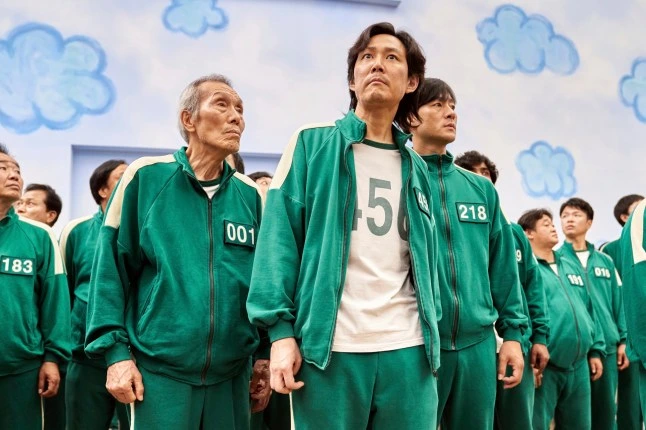
People caught consuming South Korean entertainment in North Korea are facing brutal punishments, including public execution, according to a new report by Amnesty International.
The human rights organisation revealed that North Korean authorities have executed citizens for watching popular South Korean TV shows such as Squid Game, listening to K-pop stars like BTS, or accessing any foreign media labelled “reactionary.” The report notes that even children are not spared from punishment.
Testimonies from defectors indicate that schoolchildren are sometimes forced to witness executions as a deterrent against engaging with banned content. While individuals from wealthy or politically connected families may bribe officials to escape severe penalties, poorer citizens reportedly bear the full weight of the law.
Amnesty International’s Deputy Regional Director, Sarah Brooks, described the situation as extreme repression. “Watching a South Korean TV show can cost you your life, unless you can afford to pay,” she said.
Brooks added that the system not only suppresses access to information but also fuels corruption. “The authorities criminalise access to information in violation of international law, then allow officials to profit off those fearing punishment. This repression, layered with corruption, disproportionately harms those without wealth or connections,” she stated.
Despite the risks, South Korean media continues to circulate underground in North Korea. Popular dramas such as Crash Landing on You are reportedly watched in secret across the country.
Amnesty cited accounts claiming that individuals caught watching Squid Game or listening to K-pop have been executed. One widely reported case from 2021 involved a student who smuggled Squid Game into the country from China and was sentenced to death by firing squad.
Radio Free Asia also reported that the student sold copies of the series to classmates. One buyer reportedly received a life sentence, while others were sent to hard labour camps for several years.
Analysts say the themes explored in Squid Game—economic inequality, debt, and survival under harsh systems—deeply resonate with people living under the rule of Kim Jong Un.
The crackdown is enforced through North Korea’s “Law on the Elimination of Reactionary Thought and Culture,” introduced in 2020, which targets foreign books, films, and music, particularly content from South Korea.
Amnesty warned that the law has effectively transformed the country into an “ideological cage,” where access to outside information is treated as a capital offence rather than a fundamental human right.