Matthew Kukah Denies Claims He Said Christians Are Not Persecuted In Nigeria
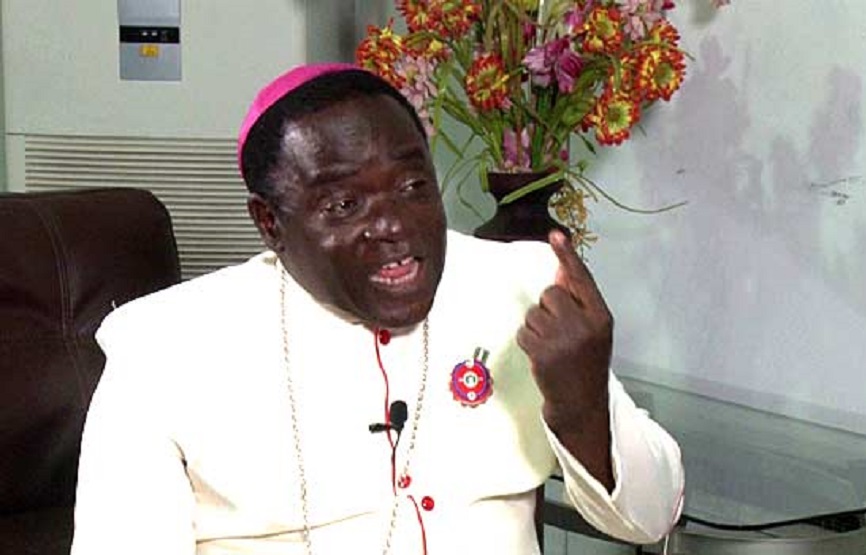
Matthew Kukah, Catholic Bishop of the Sokoto Diocese, has rejected claims that he denied the persecution of Christians in Nigeria, saying his comments were wrongly interpreted.
The cleric spoke on Sunday while appearing on Boiling Point, a radio programme, where he addressed reports linking his remarks to the ongoing debate over religious violence and insecurity in the country.
The controversy followed the decision by United States President Donald Trump on October 31 to redesignate Nigeria as a Country of Particular Concern (CPC) over allegations of systematic violations of religious freedom, including claims of a Christian genocide. The CPC label is applied to countries accused of “systematic, ongoing, egregious violations of religious freedom.”
The Nigerian government has repeatedly dismissed allegations of a Christian genocide. However, in November, Trump warned that the United States could intervene militarily to protect Christians, after several US politicians continued to raise concerns about killings in Nigeria. On December 25, the US carried out airstrikes on two terrorist camps located in the Bauni forest area of Tangaza Local Government Area of Sokoto State.
Clarifying his position, Kukah said his statements had been taken out of context.
“I never denied the killing of our people [Christians],” he said.
“I don’t want to go into the details of the mischaracterisation of what I said, but it shocked me that Christians were going around saying that I said there is no persecution of Christians in Nigeria.
“The only clarification I can give is that I have never denied that there is persecution of Christians in Nigeria. Whether it’s persecution, whether it’s genocide, by God, this thing ought not to have happened.
“Wherever we can get help from, Trump, whatever, these killings ought not to have happened in the first place.”
Kukah also stressed that the security crisis in Nigeria affects citizens across religious lines, noting that no group is immune from the threat of violence and abduction.
“In my central argument about security in Nigeria, it doesn’t matter where you are, whether you are Muslim, whether you are Christian, you are in danger of being abducted,” he said.