ICPC Begins Probe Of Dangote’s Corruption Allegations Against Ex-NMDPRA Boss Farouk Ahmed

The Independent Corrupt Practices and Other Related Offences Commission has begun concrete moves toward probing and prosecuting allegations levelled by businessman Aliko Dangote against the immediate past Managing Director of the Nigerian Midstream and Downstream Petroleum Regulatory Authority, Alhaji Farouk Ahmed, making it clear that his resignation does not shield him from investigation.
Sources within the anti-graft agency disclosed that Dangote has been invited to appear before the commission, either personally or through his lawyer, Ogwu Onoja (SAN), to formally adopt the petition and submit supporting evidence as investigations commence on Monday.
According to officials familiar with the matter, the commission has asked Dangote to provide documents and materials backing his claims, which include allegations of corruption, abuse of office, misappropriation of public funds and the reported expenditure of millions of dollars on the education of Ahmed’s four children in Switzerland.
It was further gathered that on Friday, the ICPC constituted a special panel of senior investigators to handle the petition, signalling the seriousness with which the agency is treating the case.
“All is set for the investigation,” a source at the commission disclosed over the weekend.
“ICPC has set up a panel of crack investigators on Dangote’s petition. The Chairman of the commission, Dr. Musa Adamu Aliyu (SAN) asked the trusted team to stay action on a case and focus on Dangote’s petition. This underscores the importance attached to this case.”
The commission had earlier confirmed receipt of the petition and reiterated its resolve to investigate the allegations against Ahmed.
“We have also invited Dangote or his lawyer to come on Monday to adopt the petition. Either of them is to present relevant documents or evidence to support the petition,” the source said.
“He who alleges must prove or provide lead on the allegations which our investigators must act on.”
The source explained that the commission would strictly follow due process once the petition is formally adopted.
“We have acknowledged the receipt of the petition in line with our guidelines or mandate to do so within 48 hours,” the source stated.
“After formal adoption of the petition, we will isolate issues and ask Ahmed to respond to the allegations.
“We have been inundated with enquiries but I can assure you that ICPC will be fair to all the parties.”
On the resignation of the former NMDPRA boss, the source stressed that it has no bearing on the probe.
“The resignation of Ahmed does not affect this probe which is in the public interest.”
The ICPC official also cited provisions of the commission’s enabling law, stressing the responsibilities of both public officers and petitioners.
“Section 19 of the Corrupt Practices and Other Related Offences Act (ICPC Act 2000) makes it an offence for any public officer to use his/her position to confer an unfair or corrupt advantage on himself, his relatives, associates, or other public officers. Anyone found guilty of any such offence is liable to five years imprisonment without the option of a fine.
“The enabling law also stipulates harsh punishment for individuals deemed to have wasted ICPC’s time and resources by making malicious or frivolous petitions against others.”
Ahmed had resigned alongside Gbenga Komolafe of the Nigerian Upstream Petroleum Regulatory Commission.
In the petition dated December 16 and addressed to the ICPC chairman, Musa Adamu Aliyu (SAN), Dangote accused Ahmed of corruption, abuse of office and illicit enrichment, calling for his arrest, investigation and prosecution.
Dangote alleged that Ahmed lived far beyond what his legitimate earnings as a public servant could justify, claiming that over $7 million was spent on the education of his four children in Switzerland, with school fees reportedly paid upfront for six years.
The businessman reportedly listed the names of the children, their schools and the exact sums paid for each, urging the commission to verify the claims and establish what he described as “clear evidence of corrupt enrichment.”
Dangote further accused Ahmed of diverting public funds for personal use and turning the regulatory authority into a tool for embezzlement and private interests at the expense of Nigerians.
He also claimed that the alleged actions had sparked public outrage and protests across different parts of the country, insisting that Ahmed’s lifetime earnings in public service could not lawfully account for such expenses.
Dangote urged the ICPC to act under Section 19 of the ICPC Act, which prescribes a five-year jail term without the option of a fine for such offences, and said he was ready to appear before investigators with documentary and other evidence to substantiate his claims.
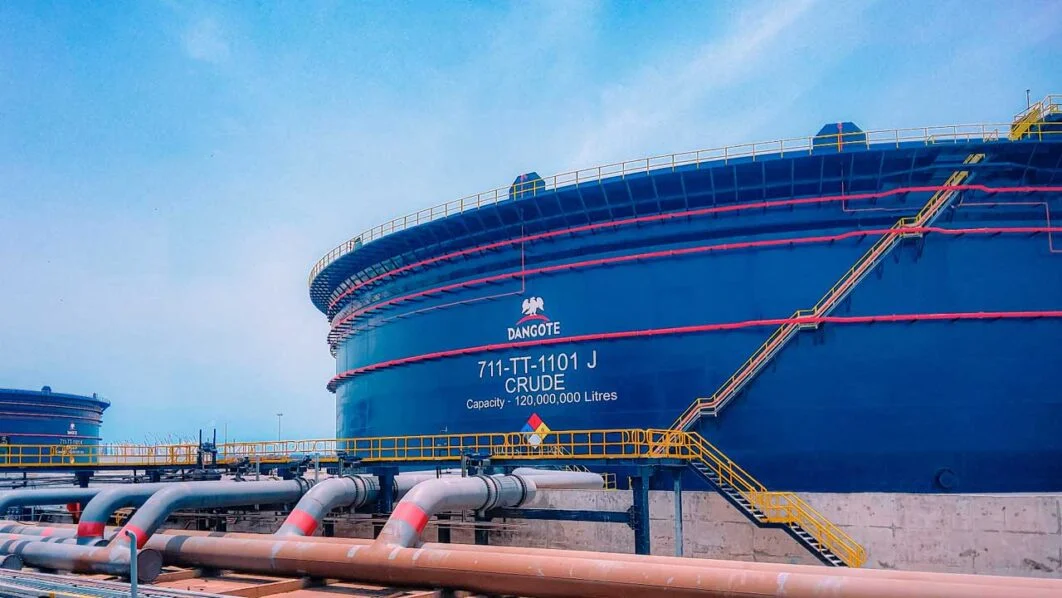
The allegations were first made public during a media interaction at the Dangote Refinery in Lekki, Lagos, where Dangote questioned Ahmed’s source of wealth and accused the regulator of undermining local refining through the continued issuance of fuel import licences.