
Youth Unemployment Hits 53% in Nigeria, Threatening National Stability

Youth Unemployment Hits 53% in Nigeria, Threatening National Stability – Report

ABUJA, Nigeria — Over 80 million Nigerian youths are currently unemployed, according to a new report that paints a stark picture of the challenges facing Africa’s most populous country. The State of the Nigerian Youth Report 2025, launched Thursday in Abuja by Plan International Nigeria in collaboration with ActionAid Nigeria, reveals that youth unemployment has surged to 53 percent, posing what the report describes as the “single greatest threat” to Nigeria’s future. The report was officially presented at the Nigerian Youth Dialogue, an event organized by the House of Representatives Committee on Youth in Parliament to commemorate International Youth Day 2025. Speaking during the presentation, Jonathan Abakpa, Advocacy and Youth Programme Officer at Plan International Nigeria, said that widespread unemployment, rising insecurity, and poor governance are driving young Nigerians into dangerous alternatives such as irregular migration, cybercrime, and other illicit activities. “This is not just a statistic—it represents shattered dreams and wasted talent,” the report warns. “Unless urgent action is taken, Nigeria risks losing its greatest asset.” According to the report, approximately 1.7 million graduates enter the job market annually, but face limited employment opportunities in an economy plagued by stagnation. Data from the National Bureau of Statistics indicates youth unemployment rose by 5.3 percent in Q1 2024, with only marginal improvement in Q2. Beyond joblessness, the report highlights insecurity as a significant obstacle to youth development. Over 600,000 people have been killed and 2.2 million kidnapped in recent years, with young people disproportionately affected. Additionally, more than 1,500 schools have been closed in the past two years due to violence, leaving over 1 million children out of school. Quoting UNICEF, the report also notes that armed conflict has displaced 2.6 million people, crippling agricultural activities and threatening food security for more than 25 million Nigerians. The authors emphasize that widespread poverty, affecting 40.1 percent of the population (about 82.9 million Nigerians), continues to limit opportunities for youth advancement. Structural challenges such as poor infrastructure, corruption, and digital exclusion further exacerbate the problem. Findings from a nationwide “We Listen” survey revealed regional disparities: Despite the grim outlook, the report underscores the resilience of Nigerian youth, particularly in the technology and creative sectors. It calls for urgent interventions including: One key recommendation is for Universal Basic Education to be enshrined as a constitutional right, ensuring that no child is excluded from schooling due to poverty, insecurity, or geographic barriers. In his remarks, Hon. Ayodeji Alao-Akala, Chairman of the House Committee on Youth in Parliament, reaffirmed the National Assembly’s commitment to youth-focused legislation. “Nigerian youths are the future of our nation,” Alao-Akala said. “Our task as leaders is to make sure the children of tomorrow inherit a country better than what we met—one with more opportunities and less hardship.” He added that the National Assembly has dedicated considerable effort toward passing bills and motions aimed at improving the lives of young people. As one of the younger members of parliament, Alao-Akala said he remains passionate about ensuring that policies from the House of Representatives translate into tangible outcomes for Nigerian youth. He pledged continued collaboration with stakeholders to strengthen youth development programmes and prepare the next generation for leadership, innovation, and economic growth.

Read More

Nigeria’s GDP Rebased to ₦205 Trillion, Grows 3.13% in Q1 2025

Nigeria’s Gross Domestic Product (GDP) grew by 3.13% year-on-year in real terms in the first quarter of 2025, according to new data released by the National Bureau of Statistics (NBS) on Monday. This marks a significant improvement over the 2.27% growth recorded in Q1 2024, driven mainly by robust activity in the services and industry sectors. In a related development, the NBS announced that Nigeria’s GDP has been rebased to ₦205 trillion using 2019 as the new base year, replacing the previous 2010 benchmark. Statistician General of the Federation, Adeyemi Adeniran, disclosed that the revised GDP at current prices stood at ₦372.8 trillion (approximately $243 billion) in 2024, reflecting a 41.7% increase from the last rebasing in 2014. Key Highlights of the New GDP Data: Top Sectors by Contribution: The rebased data shows real estate surpassing crude oil and gas due to improved coverage of informal sector activities. Services remain the largest classification, contributing 53.09% of GDP in 2019, followed by agriculture (25.83%) and industries (21.08%). Adeniran also highlighted the growing impact of the informal economy, which accounted for ₦86.85 trillion or 42.5% of GDP in 2019, up from ₦39 trillion in 2015. Read Full Report: News360 Nigeria

Read More

Fuel Subsidy Removal: 7 Ingenious Ways Nigerians Are Surviving the Hardship

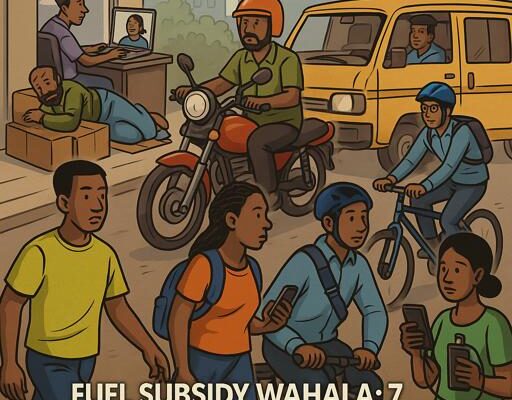
When President Bola Ahmed Tinubu declared “fuel subsidy is gone” on May 29, 2023, few Nigerians fully grasped the financial shockwave that would follow. Within hours, fuel prices soared from ₦185 per litre to over ₦800, forcing many to abandon their vehicles and search for alternative means to navigate daily life. But in true Nigerian fashion, resilience and ingenuity have taken center stage. From increased walking to embracing electric mobility, Nigerians are finding creative — and often humorous — ways to adapt. Here are seven notable ways Nigerians are surviving the fuel subsidy removal: 1. The Trekking Revolution: ‘Subsidy Cardio’ Goes ViralWith transport costs rising, many urban dwellers have taken to walking long distances daily. What started as a necessity has now become a form of fitness.“I used to drive from Jakande to Lekki Phase 1. Now I walk part of the journey, and my jeans fit better,” says Nkem, a makeup artist in Lagos.A survey by SBM Intelligence revealed that 38% of urban Nigerians now walk more frequently to cut transportation expenses. 2. Okadas and Kekes Replace Ride-Hailing AppsAs Uber and Bolt fares become unaffordable for many, Nigerians are returning to motorcycles (okadas) and tricycles (kekes) for quicker, cheaper movement — even if it means squeezing three people onto one bike during rush hour. 3. Office Sleepovers Become Cost-Saving StrategyTo avoid the daily transportation burden, some workers are opting to sleep at the office. In sectors like tech and banking, employers have reportedly provided mats and basic amenities for staff who now go home only on weekends.“I only go home on weekends. It saves me ₦14,000 weekly,” says Uzo, a financial analyst based in Victoria Island.A Channels TV report estimates that transportation now consumes up to 50% of some Lagosians’ monthly income. 4. Remote Work Gains New PopularityThe fuel crisis has accelerated the shift to remote work, especially in startups, NGOs, and even religious institutions.“Fuel subsidy killed our physical Monday devotions. Now we pray on WhatsApp voice note,” says Lekan, a church administrator.Zoom, WhatsApp, and Telegram have effectively become digital offices across the country. 5. Electric Scooters and Bicycles Gain TractionElectric mobility is emerging as a trendy alternative, particularly in Lagos and Abuja. Young professionals now use electric scooters and bikes for short commutes, cutting fuel costs entirely.“I plug it at night, ride to work in the morning. I’ve not bought petrol in three weeks,” says Tope, a software developer in Yaba.Brands like Solar Taxi and MAX.ng are expanding their footprint in Nigeria’s e-mobility sector. 6. Transport WhatsApp Groups Build CommunityIn cities like Lagos, WhatsApp has become a tool for daily ride coordination. Residents from areas such as Isolo, Berger, and Surulere have created groups to share danfos, kekes, and even private car rides.“It’s not just about saving money — it’s vibes and survival,” says Joy, a human resource executive in Surulere. 7. Charging Gadgets at Work Becomes NormWith irregular power supply and longer hours spent outside the home, people now carry portable power banks religiously. Others opt to charge all devices — from phones to mini-fans — at their workplaces.“Fuel is gold. If NEPA takes light, I wait till I get to the office to charge anything,” says Mustapha, a graphic designer. Conclusion: Nigerian Resilience in ActionThe removal of fuel subsidies has undoubtedly reshaped daily life in Nigeria, but it has also showcased the nation’s remarkable adaptability. From trekking to remote work, and electric scooters to ride-sharing communities, Nigerians are once again proving that Naija no dey carry last. Are you also finding creative ways to cope with the subsidy era? Share your survival story — because in Nigeria, even hardship can’t stop the hustle.

Read More

Rice Prices Soar Again, Hit ₦100,000 per Bag as Import Waiver Window Ends

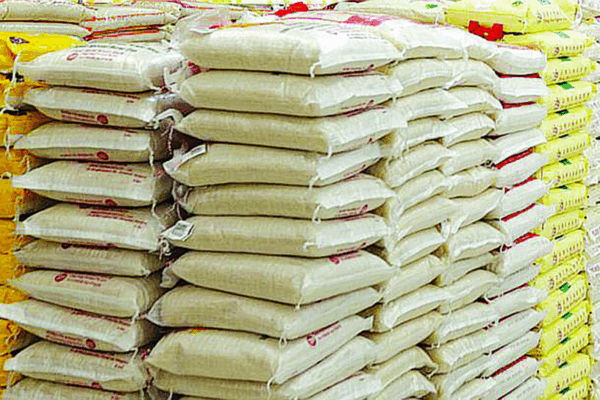
Nigerians are facing renewed hardship as the price of rice surges across major markets, reversing months of relief that had seen the staple drop to around ₦65,000 per 50kg bag. A Sunday Vanguard market survey in Lagos revealed that some brands of rice now sell for as much as ₦100,000 per bag, with prices for other brands ranging between ₦77,000 and ₦90,000, depending on quality and grain type. Dealers and analysts attribute the sudden spike to the expiration of the 150-day duty-free import window granted under the Presidential Accelerated Stabilisation and Advancement Plan introduced in July 2024. The temporary policy had allowed select firms to import essential grains, including rice, without paying import duties, a measure intended to curb inflation and rising food costs. However, insiders say the process was shrouded in secrecy, with only a few large firms benefiting. Secrecy, Selective Waivers, and Policy Gaps Peter Dama, Chairman of the Board of Trustees of the Competitive African Rice Forum – Nigerian Chapter (CARF-FSD) and President of the Rice Millers Association of Nigeria (RIMAN), confirmed that only three firms, including one in Lagos and another in Kaduna, received the waivers. Dama lamented that the waiver initiative ignored established stakeholders who built Nigeria’s rice value chain. He said that many local millers and processors who applied for the waivers never received a response from the government. “Short-term fixes like waivers only hurt the local industry,” Dama warned. “We need long-term investments to support farmers, processors, and marketers if we want real food security.” Market Reactions: “We’re Not in Business Anymore” Rice dealers in Lagos expressed deep frustration. At Daleko Market, Mrs. Bolatito Yunisa described the situation as dire: “A bag of short grain rice that sold for ₦65,000 is now ₦85,000. Long grain rice is as high as ₦100,000. We are frustrated. Where is Nigerian rice?” At Mile 12 Market, Mrs. Bukola Osagie said many buyers now request rice in small measurements like “Derica” due to high prices. “We’re barely surviving. Even we, as dealers, now struggle to make sales.” The same 50kg bag of locally produced rice that once sold for ₦70,000 now goes for over ₦80,000, raising fears that Nigeria’s rice affordability crisis could worsen. ₦1.9 Trillion Spent, But to What End? According to RIMAN, ₦1.9 trillion ($1.17 billion) was spent on duty-free brown rice imports in the second half of 2024. About 2.4 million tonnes of rice were shipped into Nigeria between July and December 2024 alone. In early July 2025, 10,000 tonnes were offloaded in Lagos from a shipment by African Swift, while another 32,000 tonnes from Thailand arrived in January via DUCAT Logistics. Despite these massive imports, smuggled rice from Benin Republic still dominates many markets, with prices ranging from ₦70,000 to ₦78,000, due to a continued deficit in domestic production. “Nigeria has more than enough rice mills to feed the country,” Dama said. “But policy inconsistency, FX shortages, and selective waivers have made local milling unsustainable.” Local Mills Shutting Down Dama warned that many local rice mills have been forced to scale down or shut down due to a collapse in demand for paddy rice and an inability to compete with cheaper, subsidised imports. Other compounding challenges include: “You don’t expect millers to run at a loss. We want to feed the nation, but the system must support us,” he said. Rice Smuggling Undermines Local Production Illegal rice imports continue to flood the country. RIMAN estimates that over 1 million metric tonnes of smuggled rice have entered Nigeria between January and July 2025 alone, further destabilising the local market. “The Ministry of Agriculture submitted a vetted list of genuine millers to the Finance Ministry — but no action has followed. The silence is disturbing,” Dama added. A Collapse of Hard-Won Gains? Dama warned that unless urgent action is taken, Nigeria risks losing the gains made in the rice value chain in recent years — including job creation, rural development, and food security. “The same farmers who kept this country fed during the COVID-19 lockdowns are now being abandoned. What signal is government sending?” With prices soaring and production stagnating, the question for millions of Nigerians remains the same: When will rice — the country’s most consumed staple — become affordable again?

Read More

University Don Emerges New APC National Chairman

A Minister of Humanitarian Affairs and a former university don, Professor Nentawe Yilwatda has emerged as the new Chairman of the All Progressive Congress (APC). Yilwatda emerged as the consensus nominee at the Party’s National Executive Committee (NEC) meeting held on Thursday. The Professor replaced Abdullahi Umar Ganduje, who recently resigned from the position citing health concerns. Yilwatda, 56, hails from Plateau State and was the APC’s gubernatorial candidate in the state during the 2023 general elections. His nomination aligns with the party’s zoning arrangement, which allocated the national chairmanship to the North-Central geopolitical zone comprising Benue, Kwara, Kogi, Nasarawa, Niger, and Plateau states. Professor Yilwatda comes with a blend of academic, bureaucratic, and political experience. Before venturing into politics, he was an engineering lecturer at the Federal University of Agriculture, Makurdi. He also served as a Resident Electoral Commissioner for the Independent National Electoral Commission (INEC) between 2017 and 2021, overseeing elections in Benue, Anambra, Osun, Rivers, and Cross River states.

Read More

50 Feared Dead in Russian Plane Crash

A Russian Antonov An-24 passenger plane carrying about 50 people crashed in the country’s far east on Thursday and everyone on board was feared to have been killed, emergency services officials said. The burning fuselage of the plane, which was made in the Soviet era and was nearly 50 years old, was spotted on the ground by a helicopter and rescue crews were rushing to the scene. Video shot from a helicopter and posted on social media, showed the plane came down in a densely forested area. Pale smoke could be seen rising from the crash site. The plane was on a flight by a privately owned Siberian-based regional airline called Angara. The aircraft’s tail number showed it was built in 1976 and was operated by Soviet flag carrier Aeroflot before the 1991 collapse of the Soviet Union. The plane was en route from the city of Blagoveshchensk to Tynda, a remote town and important railway junction in the Amur region bordering China. It dropped off radar screens while preparing to land. There were 43 passengers, including five children, and six crew members on board according to preliminary data, Vasily Orlov, the regional governor said. The federal Russian government put the number of passengers on board at 42. Debris from the plane was found on a hill around 15 km (10 miles) from Tynda, the Interfax news agency quoted emergency service officials as saying. “During the search operation, an Mi-8 helicopter belonging to Rossaviatsiya discovered the fuselage of the aircraft, which was on fire,” the emergency services ministry said on Telegram. “Rescuers continue to make their way to the scene of the accident.” Angara airline is based in the Siberian city of Irkutsk and serves airports in Siberia and Russia’s far east. It operates 10 An-24s built between 1972 and 1976, according to the RussianPlanes web-portal.

Read More

Global Terrorism Index: Nigeria Drops from 3rd to 8th Most Terror-Affected Country

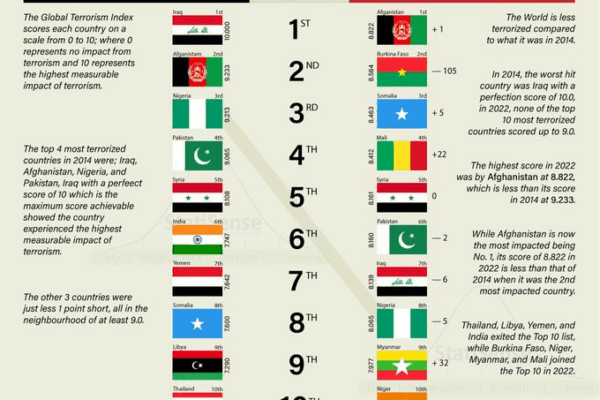
Abuja – Nigeria has recorded significant progress in the fight against terrorism, dropping from the 3rd to the 8th position on the Global Terrorism Index (GTI), according to the latest ranking. The report indicates a sharp decline in terrorist incidents and fatalities across the country compared to previous years, marking one of Nigeria’s best performances in over a decade. The improvement is largely attributed to sustained military operations against Boko Haram, ISWAP, and other violent extremist groups in the Northeast and Northwest regions. In 2022, Nigeria ranked 3rd globally, trailing only Afghanistan and Iraq. However, recent data shows that improved counterterrorism strategies, enhanced intelligence sharing, and community-driven security initiatives have contributed to reducing terror-related violence. Despite the progress, the GTI warns that Nigeria remains vulnerable to emerging security threats, including banditry, farmer-herder clashes, and kidnapping for ransom, which continue to pose significant challenges in some parts of the country. The new ranking places Afghanistan, Somalia, and Iraq as the top three most terror-impacted nations globally.

Read More