Two Suspected ISWAP Terrorists Arrested In Lagos, Residents On Edge

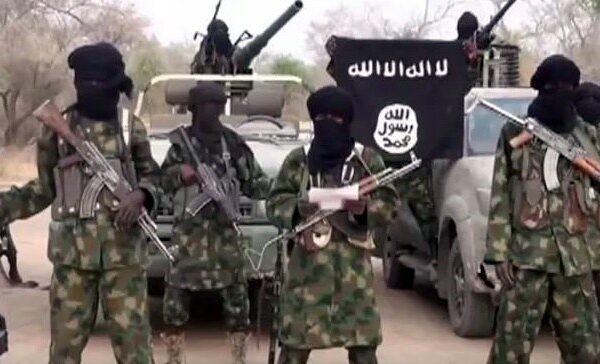
Tension has risen in Lagos after the arrest of two men suspected to be members of the Islamic State West Africa Province, ISWAP. The suspects, identified as Modu Gana and Ibrahim Dugge, were reportedly picked up on Sunday, December 21, by operatives of the State Security Service. A security source with knowledge of the operation said the arrests took place around 8:45 a.m. in the Apapa area of the state. Both men are said to be in custody and are currently being questioned by security officials. Investigations indicated that the arrests were based on intelligence suggesting the suspects had recently moved from Nigeria’s insurgency-affected North-east region to Lagos. Attempts to get official confirmation from the SSS were unsuccessful, as a member of the agency’s media unit said the matter had not yet been formally brought to their attention. Since the redeployment of its former spokesperson, Peter Afunanya, the SSS has largely limited public communication, explaining that the approach is aimed at safeguarding operational efficiency. As of the time of this report, authorities have not disclosed the reason for the suspects’ presence in Lagos, and there is no immediate indication of planned attacks in the city. However, security experts have cautioned that ISWAP has been exploring ways to expand its operations beyond its usual bases in the North-east, a development that continues to raise concerns nationwide.
Read More

Super Eagles AFCON 2023 Squad Collect National Honours, Housing And Land Documents

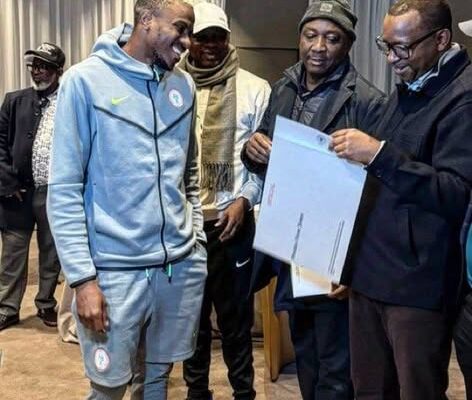
Members of Nigeria’s Super Eagles squad that finished as runners-up at the 2023 Africa Cup of Nations have formally received their national honours certificates alongside official documents for the houses and land allocations approved by President Bola Ahmed Tinubu. The presentation was carried out on December 22, 2025, at the team’s hotel in Fez, Morocco, just ahead of the Super Eagles’ opening fixture in the new AFCON qualifying series. President Tinubu had announced the reward package in recognition of Nigeria’s second-place finish at the AFCON tournament staged in Côte d’Ivoire between January and February 2024. The handover ceremony was led by the Chairman of the National Sports Commission, Shehu Dikko. In attendance were the Chairman of the Senate Committee on Sports, Senator Abdul Ningi; Chairman of the House Committee on Sports, Hon. Kabiru Amadu; Comptroller-General of Customs, Bashir Adewale; President of the Nigeria Football Federation, Ibrahim Gusau; Senior Special Assistant to the President, Mrs. Nathan-Mash; officials of the Nigerian High Commission; and Mallam Saleh Amadu. Dikko disclosed that most of the players were conferred with the Member of the Order of the Niger (MON). He added that Ahmed Musa and Victor Osimhen were awarded the Officer of the Order of the Niger (OON) due to their prior receipt of the MON. Team captain William Troost-Ekong received the Member of the Order of the Federal Republic (MFR) following his emergence as Player of the Tournament at AFCON 2023. According to Dikko, all presidential approvals covering national honours, housing allocations in Abuja or Lagos, and land grants in Abuja have been completed, with allocation letters already issued to the beneficiaries. He also revealed that similar reward packages approved for the Super Falcons and Nigeria’s men’s basketball team, D’Tigers, have been processed. While national honours certificates and house title documents are ready for collection, the Ministry of Finance and the Office of the Accountant-General of the Federation are finalising arrangements to credit the cash rewards, valued at $100,000 per player, directly into recipients’ bank accounts. The development reflects a renewed commitment to structured athlete welfare and fulfillment of official promises as the Super Eagles turn their attention fully to the ongoing AFCON qualification campaign.

Read More

US Announces Partial Visa Ban On Nigerians Effective January 1, 2026

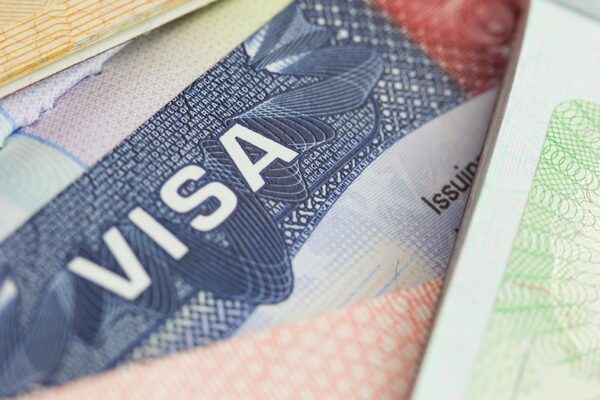
The United States has announced a partial halt to visa issuance for Nigerian citizens, with the new restriction set to take effect from January 1, 2026, under Presidential Proclamation 10998. The U.S. Department of State said the measure affects several nonimmigrant visa categories, including B-1/B-2 visitor visas as well as F, M and J visas issued to students and exchange programme participants. In addition, most immigrant visa categories are covered by the suspension, though a number of exemptions have been outlined. Nigeria is one of 19 countries named in the directive. Others on the list include Angola, Antigua and Barbuda, Benin, Burundi, Côte d’Ivoire, Cuba, Dominica, Gabon, The Gambia, Malawi, Mauritania, Senegal, Tanzania, Togo, Tonga, Venezuela, Zambia and Zimbabwe. The proclamation, titled “Restricting and Limiting the Entry of Foreign Nationals to Protect the Security of the United States,” allows exceptions for certain groups. These include immigrant visas for ethnic and religious minorities facing persecution in Iran, dual nationals applying with passports from countries not affected by the policy, Special Immigrant Visa applicants linked to U.S. government service, selected international sports participants, and lawful permanent residents. U.S. authorities clarified that the suspension applies only to individuals who are outside the United States on the effective date and who do not already have a valid visa as of January 1, 2026. Visas issued before that date will remain valid and will not be cancelled under the new rule. The State Department also noted that applicants from affected countries can still submit visa applications and attend scheduled interviews, but final approval may be denied under the new entry restrictions.

Read More

FG Introduces Mandatory Pre-Employment Drug Testing For Public Service Applicants

The Federal Government has introduced mandatory pre-employment drug testing for all candidates seeking to join the Public Service. Segun Imohiosen, Director of Information and Public Relations at the Office of the Secretary to the Government of the Federation, said the move is aimed at tackling the growing menace of illicit drug use and its impact on national development and security. Permanent Secretaries and Heads of Extra-Ministerial Departments and Parastatals have been directed to make drug testing a key part of their recruitment processes. The circular partly read, “The Federal Government has approved the introduction of mandatory pre-employment drug testing for prospective applicants into the Public Service as part of efforts to curb the rising problem of illicit drug use and its consequences on national development and security.” Imohiosen added that Ministries, Departments, and Agencies are expected to work with the National Drug Law Enforcement Agency (NDLEA) to conduct the tests in line with approved standards and procedures. “The directive, issued in a service-wide circular, reflects the administration’s determination to fight drug and substance abuse and shield the national workforce from harmful practices,” he stated. The policy responds to concerns about the rising rate of drug abuse among youths and its effects on public health, workplace productivity, socio-economic growth, and national security. This initiative follows other anti-drug measures in 2025, including mandatory testing for Nigeria Customs Service recruits in November and a nationwide university drug screening introduced in July.

Read More

Sanwo-Olu Inaugurates Abdul-Ganiyu Obasa As Agege LG Chairman

Lagos State Governor Babajide Sanwo-Olu has formally sworn in Abdul-Ganiyu Obasa as the Chairman of Agege Local Government, urging him to place priority on grassroots development and align his leadership with the state’s development objectives. The swearing-in ceremony was held on Monday at Lagos House, Ikeja, and also featured the inauguration of Toyin Adejimiwa as a Permanent Secretary. Abdul-Ganiyu Obasa, son of the Speaker of the Lagos State House of Assembly, Mudasiru Obasa, had previously served as acting chairman of the council before his confirmation and official inauguration. Addressing the newly sworn-in officials, Sanwo-Olu described local government as the closest tier of governance to the people, noting that it demands leadership that is visible, responsive and people-oriented. The governor advised the Agege council chairman to lead inclusively, avoid actions that could divide the community and focus on delivering tangible benefits to residents, stressing that discipline and performance remain central to leadership and advancement in Lagos State.

Read More

Presidency Calls on National Assembly to Probe Alleged Discrepancies in New Tax Reform Laws

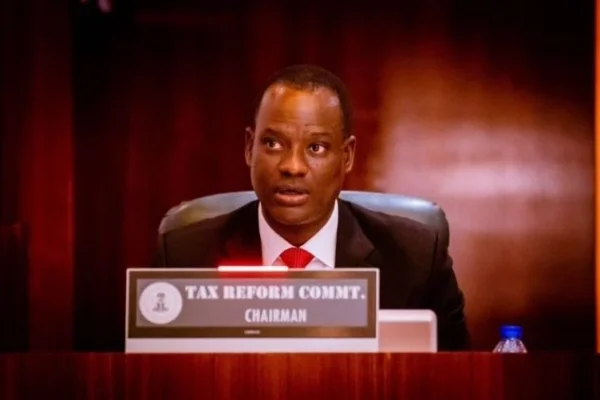
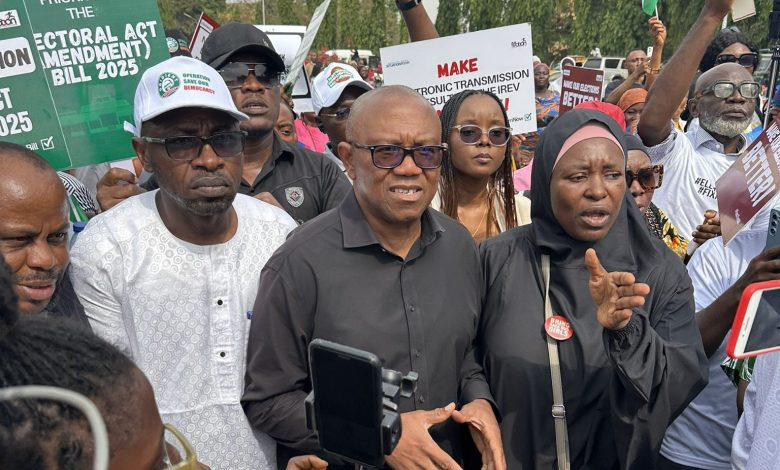
The Presidency has addressed the controversy surrounding Nigeria’s newly signed tax reform laws, with Taiwo Oyedele, Chairman of the Presidential Fiscal Policy and Tax Reforms Committee, urging the National Assembly to look into alleged discrepancies in the gazetted versions of the bills. Oyedele made the remarks on Monday during an interview on Channels Television’s Morning Brief, following calls from former Vice President Atiku Abubakar, Labour Party presidential candidate Peter Obi, and several civil society groups for the suspension of the laws’ implementation. The controversy began when House of Representatives member Abdulsamad Dasuki claimed that the tax bills passed by lawmakers differed from the versions later gazetted and made public. Dasuki argued that this violated his legislative rights, insisting that the final gazetted laws did not reflect what was actually debated and approved. Responding to the claims, Oyedele described circulating reports as misleading, noting that any alleged discrepancies could not be verified without access to the officially certified versions of the bills passed by the National Assembly. “Before you can say there is a difference between what was gazetted and what was passed, we don’t even have what was passed. Only the lawmakers can say authoritatively what they sent,” he said. He added that even members of the executive, including himself, only had access to the versions submitted to President Bola Tinubu for assent. Addressing concerns about a controversial Section 41(8) provision, which reportedly required a 20 per cent deposit, Oyedele said he had contacted the relevant House committee for clarification. “I know that particular provision is not in the final gazette, but it was in the draft. Some documents circulating publicly were prepared before the committee completed its work,” he explained. Oyedele urged patience, emphasizing that media reports did not come from the House committee and that an official investigation should be allowed to take place. President Tinubu recently signed four key tax reform bills—the Nigeria Tax Act, Nigeria Tax Administration Act, Nigeria Revenue Service (Establishment) Act, and Joint Revenue Board (Establishment) Act—describing them as the most significant overhaul of Nigeria’s tax system in decades. The laws are scheduled to take effect on January 1, 2026. According to the Federal Government, the reforms aim to simplify tax compliance, expand the tax base, eliminate multiple taxation, and modernize revenue collection across all levels of government.

Read More

Trump Recalls US Ambassador to Nigeria Alongside Several Career Diplomats

US President Donald Trump has recalled US Ambassador to Nigeria Richard Mills, along with multiple other career diplomats, from their ambassadorial assignments. According to Politico, the move is aimed at aligning US diplomatic representation with Trump’s “America First” agenda. A State Department official confirmed that the recalled ambassadors, initially appointed during the Biden administration, will conclude their tenures in January. While the diplomats may return to Washington for other roles, their postings as chiefs of mission will end. Africa has been the most affected region, with ambassadors from 13 countries—including Nigeria, Burundi, Cameroon, Côte d’Ivoire, Senegal, and Uganda—among those recalled. Other affected regions include the Asia-Pacific, Europe, the Middle East, South Asia, and the Western Hemisphere. The State Department described the recalls as a routine process in any administration, emphasizing that ambassadors serve at the president’s discretion to advance policy priorities. “An ambassador is a personal representative of the president, and it is the president’s right to ensure that he has individuals in these countries who advance the America First agenda,” the statement said. Officials stressed that the diplomats are not losing their foreign service positions and can continue to serve in other capacities within the department. Nonetheless, the sudden departures are expected to require adjustments in embassy operations and diplomatic initiatives in the affected nations. The recall of the US ambassador to Nigeria comes amid growing attention on US-Africa relations and has prompted concern from some lawmakers and the American Foreign Service Association. For Nigeria, the envoy’s departure marks a significant shift in diplomatic engagement at a time when the country is a key partner in regional security, economic collaboration, and development projects.

Read More

JUST IN: FG Declares Kidnappers, Violent Armed Groups As Terrorists

The Federal Government has officially classified kidnappers and violent armed groups as terrorists, signaling a major escalation in Nigeria’s efforts to combat abductions, attacks on farmers, and rural insecurity. Information Minister Mohammed Idris announced the new designation on Monday during the end-of-year press briefing in Abuja. The move marks a shift from treating these crimes as ordinary offenses to addressing them under the nation’s full counterterrorism framework. “Henceforth, any armed group or individual that kidnaps our children, attacks our farmers, and terrorises our communities is officially classified and will be dealt with as a terrorist,” Idris said. He emphasized that the government will no longer allow ambiguity in labeling such threats. “Now, the era of ambiguous nomenclature is over. If you terrorize our people, whether you are a group or an individual, you are a terrorist and will be classified as such. There is no name hiding under this again,” he added. The minister explained that the policy will improve intelligence sharing and coordination among security agencies, allowing for faster and more decisive action against criminals. Idris highlighted the success of coordinated operations in 2025, which led to the capture of two of the continent’s most wanted criminals. To further secure vulnerable rural areas, the government will deploy trained forest guards tasked with surveillance, gathering local intelligence, and rapid response. These personnel are expected to disrupt criminal hideouts, dismantle camps, and secure remote locations often exploited by armed groups. Idris also revealed the capture of the ISWAP leader operating in Nigeria, describing him as one of Africa’s most wanted terrorists with a substantial U.S. bounty. “The ISWAP head residing in Nigeria has been captured through the coordination of all security agencies and intelligence units. Abu Barra was also apprehended a few months ago. Both are now facing justice,” he said. By classifying kidnappers and violent groups as terrorists, the government is sending a clear message of zero tolerance for abductions and rural violence, while expanding the powers of security forces to protect communities across Nigeria.

Read More