Breaking: Court of Appeal Upholds Governor Aiyedatiwa’s Election

The Court of Appeal sitting in Akure has affirmed the election of Governor Lucky Aiyedatiwa of Ondo State, upholding the earlier judgment of the election petition tribunal. In its ruling, the appellate court declared that Governor Aiyedatiwa was duly elected by the people, dismissing the appeal filed against his victory for lacking merit. Following the judgment, there was jubilation outside the court premises as supporters and party members celebrated the legal victory. The ruling reinforces Aiyedatiwa’s mandate ahead of the 2025 gubernatorial polls and solidifies his position as the state’s legitimate leader.

Read More
Troops Neutralise Armed Criminal, Recover Weapons in Benue

Troops Neutralise Armed Criminal, Recover Weapons in Benue

Troops of Operation Whirl Stroke (OPWS) have neutralised an armed criminal and recovered a cache of weapons during a clearance operation at Mararaba Gbagir, Benue State. The operation, carried out on Tuesday, July 30, was based on credible intelligence about the presence of armed elements in the area. According to military authorities, the troops engaged the suspects in a gun battle, killing one of them while others fled with gunshot wounds. Weapons recovered include six AK-47 magazines, three rounds of 9mm ammunition, two rounds of 7.62mm special ammunition, a locally fabricated gun, a locally made pistol, and various charms. Troops also destroyed shrines allegedly used by the criminal group. Major General Moses Gara, Force Commander of OPWS, praised the troops for their professionalism and courage. He urged them to sustain the momentum as part of ongoing efforts to restore peace to Benue and other parts of the joint operations area. Gara reaffirmed OPWS’s commitment to securing lives and property and called on citizens to continue sharing credible intelligence to aid military operations.

Read More

EXCLUSIVE: Nigerians’ NINs, BVNs, and Photos Still Being Sold Online

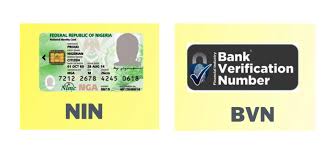
More than a year after the discovery of the rogue data website XpressVerify, sensitive identity records of Nigerians — including National Identification Numbers (NINs), Bank Verification Numbers (BVNs), addresses, and photos — remain available for sale on the internet. In a recent investigation by the Foundation for Investigative Journalism (FIJ), a reporter successfully purchased the personal data of four Nigerians using just N560, raising fresh concerns about the safety of the country’s identity infrastructure. Billions Spent, Yet No Safety Nigeria has invested over $630 million in national identity projects since 2011. This includes a $433 million World Bank-backed grant in 2019 aimed at registering 148 million Nigerians by mid-2024 and improving the country’s identity management systems. Despite these efforts, data breaches persist. In April 2024, FIJ uncovered XpressVerify, a website illegally accessing the national database. The backlash led to a temporary suspension of third-party access by the National Identity Management Commission (NIMC) and a probe by the Nigeria Data Protection Commission (NDPC). However, FIJ’s recent findings reveal that such leaks continue to exist through newer platforms. Introducing NINPrint.com In July 2025, FIJ discovered NINPrint.com, a website offering identity verification services that include NIN and BVN lookup via phone numbers or document details; retrieval of lost NINs using tracking IDs; access to voter cards, driver’s licences, bank slips, and CAC records; and “people tracking” and background check services. According to the platform, these services are offered at a cost of just a few hundred naira. FIJ traced the platform to Abbeytech Ventures, a sole proprietorship registered by Abdullahi Shogbanmu Abiodun. The associated phone number links to a cybercafé that also advertises NYSC registration services. Reporter’s Test Purchase Confirms Breach To verify the platform’s claims, FIJ funded an account with N150 and attempted several identity lookups. While some attempts failed, one successful search returned detailed personal information — including NIN and BVN-linked data — of individuals using only their phone numbers. The exposed data belonged to journalists who had consented to the experiment. Grave Implications for Nigerians The ability to access such personal data poses significant risks. Identity theft: Criminals can use NINs and BVNs to commit fraud, take out loans, or open bank accounts. Financial loss: BVNs may allow fraudsters to bypass verification processes and access victims’ accounts. Physical danger: Access to personal addresses and phone numbers increases the threat of harassment, kidnapping, or stalking. Reputational damage: Victims may face consequences if their identities are used to commit crimes. What the Law Says The NIMC Act (2007) and the Nigeria Data Protection Act (NDPA, 2023) prohibit the unauthorised use, sale, or disclosure of personal data. Section 28 of the NIMC Act criminalises unlawful access to identity data, carrying penalties of at least N1 million and/or three years in prison. The NDPA empowers the NDPC to impose fines of up to N10 million or 2% of a company’s gross annual revenue for violations. Data controllers are also required to report breaches to the NDPC within 72 hours, especially if they pose a high risk to individuals. NIMC Responds, Questions Remain FIJ notified NIMC of the latest breach. Spokesperson Kayode Adegoke acknowledged the alert and said the Commission would address the issue. But the situation raises urgent questions: How many other websites are still accessing Nigeria’s national database? Who is responsible for these repeated breaches? When will Nigerians finally have confidence in the protection of their private data? Until comprehensive digital safeguards and accountability measures are enforced, the personal data of millions remains at risk.

Read More

NNPCL Restates Commitment to Oil, Gas Development in Northern Nigeria

The Nigerian National Petroleum Company Limited (NNPCL) has reaffirmed its commitment to the exploration and development of oil and gas resources in northern Nigeria. Yusuf Usman, a director at NNPCL, gave the assurance on Wednesday during a government-citizen engagement session organized by the Sir Ahmadu Bello Foundation in Kaduna. Usman disclosed that the company has drilled four wells in the Kolmani area of Bauchi State and is currently assessing the appropriate technology for the next phase of drilling operations. He also announced that five Compressed Natural Gas (CNG) and Liquefied Natural Gas (LNG) plants are under construction in Kogi State as part of President Bola Tinubu’s CNG Initiative. The plants are expected to improve gas supply and accessibility across the northern region.

Read More
NDLEA, Education Ministry to Introduce Drug Education, Integrity Tests in Schools

NDLEA, Education Ministry to Introduce Drug Education, Integrity Tests in Schools

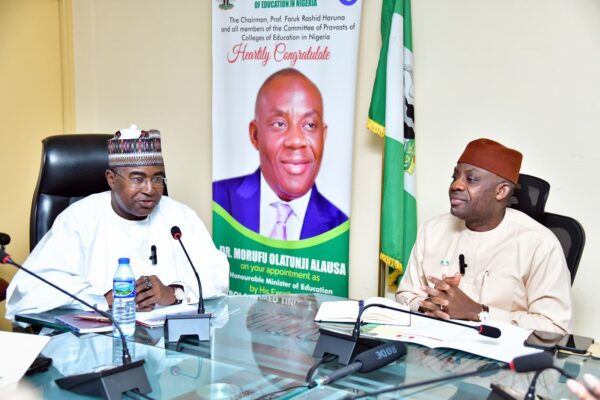
The National Drug Law Enforcement Agency (NDLEA) and the Federal Ministry of Education have agreed to introduce compulsory drug integrity tests for tertiary institution students and review the secondary school curriculum to include comprehensive drug education. This was part of the outcome of a high-level meeting between NDLEA Chairman, Brig. Gen. Mohamed Buba Marwa (Rtd), and the Minister of Education, Dr. Maruf Olatunji Alausa, in Abuja on Wednesday. Marwa highlighted the urgent need for drug education and testing, noting that substance abuse was fueling insecurity and criminality among Nigerian youths. He revealed that NDLEA had arrested over 40,000 suspects, secured over 8,600 convictions, and seized more than one billion pills of illicit opioids in the past two years. “We are fighting for the souls of our children,” Marwa said, proposing three key interventions: revising the drug education curriculum, introducing stand-alone school programmes on drug prevention, and implementing a drug test policy for students in tertiary institutions. In response, the Minister of Education expressed full support, announcing the formation of an inter-ministerial working group and the establishment of a Substance Use Prevention Unit within the ministry. “We will start drug testing in tertiary institutions—both for fresh and returning students—as well as conduct random tests,” Alausa said. He also committed to integrating drug education into the new secondary school curriculum and cascading it to primary education. The Minister further directed that UBEC and TETFUND collaborate with the NDLEA Academy in Jos to strengthen drug education across all educational levels.

Read More

Port Harcourt Refinery Not for Sale, Will Be Fully Rehabilitated – NNPCL

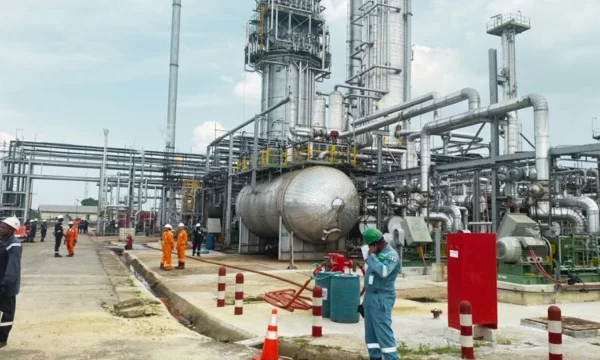
The Nigerian National Petroleum Company Limited (NNPC Ltd) has dismissed speculations about the sale of the Port Harcourt Refining Company, affirming that the facility will be fully rehabilitated and retained under government ownership. NNPC Ltd’s Group Chief Executive Officer, Bayo Ojulari, made this clear during a company-wide town hall meeting held at the NNPC Towers in Abuja. The clarification follows public concerns sparked by Ojulari’s earlier comments at the 2025 OPEC Seminar in Vienna, where he stated that “all options are on the table” regarding Nigeria’s refineries. In a statement issued Wednesday, Ojulari described the idea of selling the Port Harcourt refinery as “ill-advised and sub-commercial,” emphasizing that NNPC remains committed to its complete rehabilitation. He noted that detailed technical and financial reviews are ongoing for the Port Harcourt, Warri, and Kaduna refineries. According to him, early efforts to resume operations at the Port Harcourt refinery before completing full rehabilitation were misinformed and not economically viable. “Although progress is being made across all three refineries, the current outlook requires advanced technical partnerships to finalize and enhance the Port Harcourt facility,” the statement read. “Selling is not a viable option and would further erode value.” NNPC Ltd is currently leading the phased overhaul of its refining assets as part of a broader strategy to reduce Nigeria’s dependence on imported fuel and achieve energy self-sufficiency.

Read More
Tinubu Appoints Olumode Adeyemi as New Controller-General of Federal Fire Service

Tinubu Appoints Olumode Adeyemi as New Controller-General of Federal Fire Service

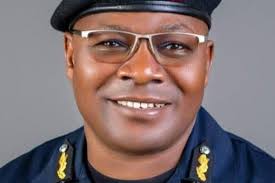
President Bola Ahmed Tinubu has approved the appointment of Deputy Controller-General (DCG) Olumode Samuel Adeyemi as the new Controller-General of the Federal Fire Service (FFS). The appointment takes effect from August 14, 2025. The announcement was made on Tuesday by the Civil Defence, Correctional, Fire and Immigration Services Board (CDCFIB) and follows the upcoming retirement of the current Controller-General, Engr. Abdulganiyu Jaji Olola, who is set to leave office on August 11 after reaching the mandatory retirement age of 60. DCG Adeyemi, who began his firefighting career with the FCT Fire Service before transferring to the Federal Fire Service, currently oversees the Human Resources Department at the Service Headquarters. He is widely recognized for his professionalism and administrative acumen. Over the course of his career, Adeyemi has completed all mandatory in-service training and command courses. He has also participated in numerous professional development programmes both locally and internationally. His credentials include membership and fellowship in several esteemed professional bodies, including the Association of National Accountants of Nigeria (ANAN), the Institute of Corporate Administration of Nigeria, the Institute of Public Administration of Nigeria, and the Chartered Institute of Treasury Management of Nigeria. In a statement signed by CDCFIB Secretary, Major General A.M. Jibril (Rtd.), the Board commended the outgoing Controller-General, Engr. Olola, for his exemplary leadership and transformative contributions to the Federal Fire Service during his tenure. Olumode Adeyemi is expected to bring fresh energy and continuity to the ongoing reforms in the agency as he assumes leadership of the FFS.

Read More

Fuel Subsidy Removal: 7 Ingenious Ways Nigerians Are Surviving the Hardship

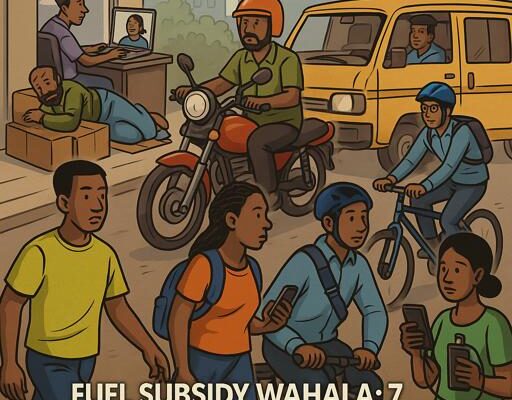
When President Bola Ahmed Tinubu declared “fuel subsidy is gone” on May 29, 2023, few Nigerians fully grasped the financial shockwave that would follow. Within hours, fuel prices soared from ₦185 per litre to over ₦800, forcing many to abandon their vehicles and search for alternative means to navigate daily life. But in true Nigerian fashion, resilience and ingenuity have taken center stage. From increased walking to embracing electric mobility, Nigerians are finding creative — and often humorous — ways to adapt. Here are seven notable ways Nigerians are surviving the fuel subsidy removal: 1. The Trekking Revolution: ‘Subsidy Cardio’ Goes ViralWith transport costs rising, many urban dwellers have taken to walking long distances daily. What started as a necessity has now become a form of fitness.“I used to drive from Jakande to Lekki Phase 1. Now I walk part of the journey, and my jeans fit better,” says Nkem, a makeup artist in Lagos.A survey by SBM Intelligence revealed that 38% of urban Nigerians now walk more frequently to cut transportation expenses. 2. Okadas and Kekes Replace Ride-Hailing AppsAs Uber and Bolt fares become unaffordable for many, Nigerians are returning to motorcycles (okadas) and tricycles (kekes) for quicker, cheaper movement — even if it means squeezing three people onto one bike during rush hour. 3. Office Sleepovers Become Cost-Saving StrategyTo avoid the daily transportation burden, some workers are opting to sleep at the office. In sectors like tech and banking, employers have reportedly provided mats and basic amenities for staff who now go home only on weekends.“I only go home on weekends. It saves me ₦14,000 weekly,” says Uzo, a financial analyst based in Victoria Island.A Channels TV report estimates that transportation now consumes up to 50% of some Lagosians’ monthly income. 4. Remote Work Gains New PopularityThe fuel crisis has accelerated the shift to remote work, especially in startups, NGOs, and even religious institutions.“Fuel subsidy killed our physical Monday devotions. Now we pray on WhatsApp voice note,” says Lekan, a church administrator.Zoom, WhatsApp, and Telegram have effectively become digital offices across the country. 5. Electric Scooters and Bicycles Gain TractionElectric mobility is emerging as a trendy alternative, particularly in Lagos and Abuja. Young professionals now use electric scooters and bikes for short commutes, cutting fuel costs entirely.“I plug it at night, ride to work in the morning. I’ve not bought petrol in three weeks,” says Tope, a software developer in Yaba.Brands like Solar Taxi and MAX.ng are expanding their footprint in Nigeria’s e-mobility sector. 6. Transport WhatsApp Groups Build CommunityIn cities like Lagos, WhatsApp has become a tool for daily ride coordination. Residents from areas such as Isolo, Berger, and Surulere have created groups to share danfos, kekes, and even private car rides.“It’s not just about saving money — it’s vibes and survival,” says Joy, a human resource executive in Surulere. 7. Charging Gadgets at Work Becomes NormWith irregular power supply and longer hours spent outside the home, people now carry portable power banks religiously. Others opt to charge all devices — from phones to mini-fans — at their workplaces.“Fuel is gold. If NEPA takes light, I wait till I get to the office to charge anything,” says Mustapha, a graphic designer. Conclusion: Nigerian Resilience in ActionThe removal of fuel subsidies has undoubtedly reshaped daily life in Nigeria, but it has also showcased the nation’s remarkable adaptability. From trekking to remote work, and electric scooters to ride-sharing communities, Nigerians are once again proving that Naija no dey carry last. Are you also finding creative ways to cope with the subsidy era? Share your survival story — because in Nigeria, even hardship can’t stop the hustle.


Read More