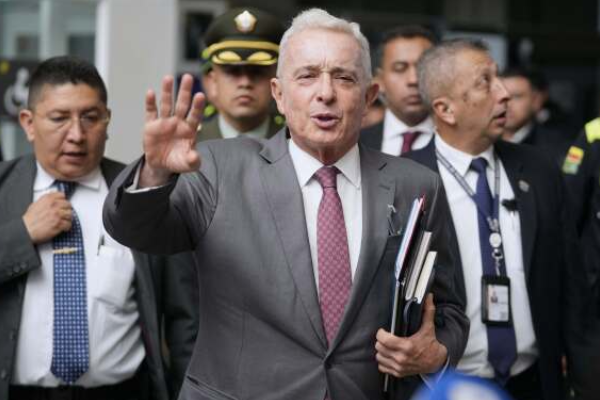
Former Colombian President Álvaro Uribe Sentenced to 12 Years House Arrest for Bribery and Witness Tampering

By Kamal yalwa August 2, 2025 In a historic ruling, a Colombian court has sentenced former President Álvaro Uribe to 12 years of house arrest on charges of fraud and witness tampering—making him the first former head of state in Colombia’s history to be criminally convicted. The 73-year-old, who governed Colombia from 2002 to 2010, was also barred from holding public office and fined $578,000 by the court. The decision marks a significant chapter in Colombia’s ongoing reckoning with political accountability. Uribe, once hailed as a hardliner against guerrilla insurgents and still widely respected in conservative political circles, denied all allegations, labeling the case a politically motivated attack aimed at silencing “a voice for the democratic opposition.” “I maintain my innocence,” Uribe said, confirming that he will appeal the ruling. Despite his legal troubles, Uribe remains a polarizing yet influential figure in Colombian politics, known for his tough stance on security and for founding the right-wing Democratic Center party. His attorney had requested bail while the appeal process was ongoing, but Judge Sandra Heredia rejected the request, citing the former president’s resources and political connections as potential risks. “It would be easy for the defendant to leave the country and evade the imposed sanction,” Judge Heredia said in court on Friday. The sentencing comes amid a wave of high-profile cases across Latin America involving former leaders facing corruption charges. Similar cases in Gabon and Myanmar have seen ex-leaders placed under house arrest, reflecting growing judicial assertiveness across the Global South.

Read More

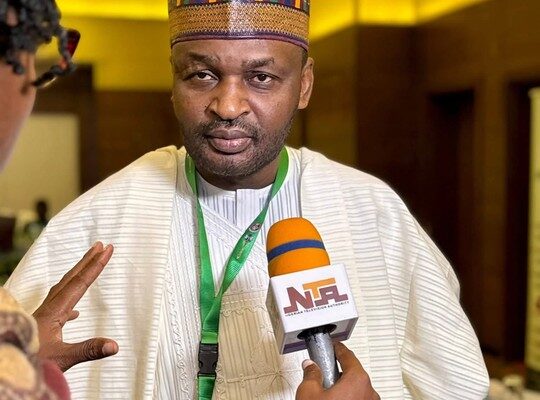
Senator Lawal Slams Tinubu for Prioritizing Kaduna Airport Over Abuja-Kaduna Road

Kaduna, Nigeria – Senator Shehu Lawal has criticized President Bola Tinubu’s administration for what he described as a misplaced priority in infrastructure development, accusing the government of abandoning the critical Abuja-Kaduna highway in favor of an airport project that already exists. Senator Lawal, a former Kaduna Central lawmaker, expressed his concerns in response to recent remarks by National Security Adviser (NSA) Nuhu Ribadu, who claimed that improved security has made it safe for top officials, including ministers, to now travel by road from Abuja to Kaduna. “You drove on the Abuja-Kaduna highway to make a political statement, but your government still abandoned the road and chose instead to start constructing a new airport in Kaduna, even though there’s already one,” Lawal stated via his official X (formerly Twitter) handle. The Abuja-Kaduna expressway has long been plagued by insecurity, including kidnappings and armed banditry, making it one of the most dangerous routes in Nigeria. While the NSA claimed the recent killing of key terrorist leaders had restored safety, Senator Lawal believes that investment in actual road infrastructure is more critical than optics or symbolic gestures. The Tinubu administration recently commenced construction of a second airport in Kaduna, a move that has sparked mixed reactions from stakeholders who argue that funds could have been better utilized to fix deteriorating roads or bolster other essential services. “If the road is truly safe, then the priority should be to fix it properly — not sidestep it with an expensive project that serves the elite,” Lawal added. As the debate continues, public scrutiny grows over how federal infrastructure spending is being allocated, especially in regions still grappling with insecurity and poor transportation networks.

Read More
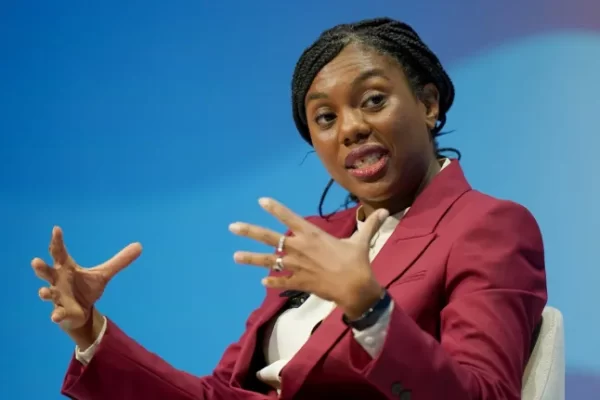
Kemi Badenoch Recalls Harsh Boarding School Experience in Nigeria, Compares It to Prison

Kemi Badenoch Recalls Harsh Boarding School Experience in Nigeria, Compares It to Prison

London, UK — UK Conservative Party leader and Member of Parliament for Saffron Walden, Kemi Badenoch, has spoken candidly about her difficult upbringing in Nigeria, describing her time at a Federal Government Girls’ boarding school in Sagamu as comparable to being in prison. In a recent podcast interview recorded at Westminster, Badenoch reflected on her early life in Lagos, Nigeria, where she lived above her father’s medical clinic. She shared vivid memories of her childhood across three countries — Nigeria, the United States, and the United Kingdom — and how those experiences shaped her values, political views, and resilience. Now a rising star in British politics, Badenoch opened up about being sent to boarding school at the age of 11 — a formative period she characterized by hardship and discomfort. “It was very grim,” she said. “There was no running water. We fetched it with buckets. We had to cut the grass with machetes because there were no lawnmowers.” She revealed that about 300 students were housed in the school’s dormitory, with 20 to 30 girls crammed into each room. The living conditions, she said, were physically and emotionally demanding. She recalled swapping her meals for books and losing a significant amount of weight due to the poor diet and her aversion to certain foods, particularly fish. Reflecting on Family, Identity, and Nigeria’s Legacy Badenoch also offered intimate insights into her family history, including how her parents — both medical professionals — met at university. Her father, a doctor, and her mother, Professor Feyi Adegoke, a physiology lecturer, raised their family in Lagos during what she described as a relatively prosperous period for Nigeria. Born in Wimbledon in 1980, Badenoch explained that her birth in the UK was the result of fertility treatment her parents sought abroad, at a time when Nigeria’s oil wealth enabled affluent families to access private healthcare overseas. “Mr. Roberts, a surgeon based in Wimbledon, helped facilitate my mother’s pregnancy,” she said. “It turned out she had endometriosis, which at the time, doctors in Nigeria said only affected Europeans.” The interview also touched on Nigeria’s colonial legacy and how it influenced the social culture of her parents’ generation. She described seeing photos of her parents from the 1970s, surrounded by what she called “funky, jazzy” Western influences — from disco music to fashion trends — at a time when Nigeria was transitioning out of British colonial rule. Politics, Pain, and Personal Growth Throughout the interview, Badenoch credited her challenging upbringing with shaping her conservative worldview and approach to public service. “Those tough experiences made me who I am,” she said. “They gave me the tools to succeed in a country like the UK, where grit, ambition, and resilience are essential.” Badenoch’s comments have sparked mixed reactions, particularly among Nigerians on social media, where some defended the country’s public boarding school system, while others agreed with her depiction of its harsh realities. As she continues to rise within British politics, Badenoch’s dual identity as both British and Nigerian remains central to her narrative — one that fuses personal adversity with political ambition.

Read More

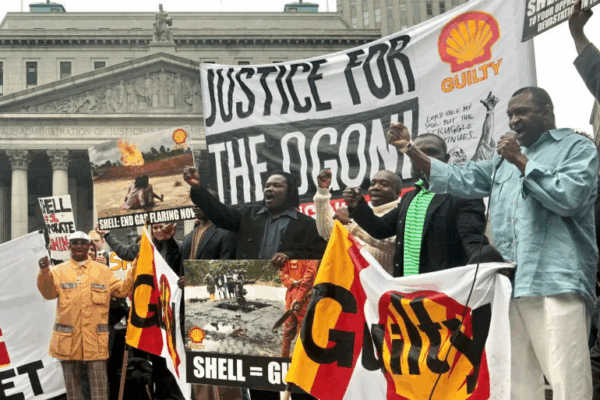
Nigeria Pardons Ken Saro-Wiwa and Ogoni Nine, 30 Years After Execution

Lagos, Nigeria – On June 12, Nigeria’s Democracy Day, President Bola Ahmed Tinubu granted posthumous pardons to Ken Saro-Wiwa and eight other environmental activists known as the Ogoni Nine, executed by the military regime of General Sani Abacha in 1995. The announcement came with national honours and a declaration: they are now national heroes. For many, it was a long-overdue vindication. For others, including the families of the executed men, it is too little, too late. Saro-Wiwa, a celebrated writer and leader of the Movement for the Survival of the Ogoni People (MOSOP), was convicted by a military tribunal for inciting the murder of four local chiefs—charges widely condemned as politically motivated. The execution, carried out by hanging on November 10, 1995, triggered international outrage. Nigeria was suspended from the Commonwealth, and countries including the U.S. imposed sanctions. “I want the convictions quashed, not pardoned,” said Noo Saro-Wiwa, Ken’s daughter, speaking from London. “A pardon suggests guilt. My father committed no crime.” A Writer Turned Activist Ken Saro-Wiwa once aspired to be remembered as a writer. He authored more than two dozen books, including the prescient short story Africa Kills Her Sun, a fictional account of a man facing execution. But his legacy was shaped by his real-life advocacy. In the 1990s, Saro-Wiwa led a non-violent campaign demanding environmental justice for Ogoniland, a small region in Nigeria’s oil-rich Niger Delta devastated by oil spills and gas flaring. In 1993, MOSOP mobilized 300,000 Ogonis to protest against Shell and the federal government. The scale of the protests prompted Shell to halt operations. The military responded with brutal force. Saro-Wiwa’s calls for autonomy and environmental reparations drew global attention—and local ire. Following a mob killing of four Ogoni leaders during a MOSOP rally in 1994, the military arrested Saro-Wiwa and eight others. Their trial, marred by irregularities and alleged torture, was condemned by Amnesty International as a “sham. International Outcry, but No Justice Despite appeals from global figures like Nelson Mandela and the Pope, the executions went ahead. Saro-Wiwa reportedly uttered, “Lord, take my soul, but the struggle continues,” before being hanged. In 2009, following a civil lawsuit in the U.S., Shell agreed to a $15.5 million out-of-court settlement with the families of the Ogoni Nine. The company denied wrongdoing, saying the payment was for legal fees and humanitarian aid. A separate case in The Hague filed by the widows of the executed men was dismissed in 2017. Meanwhile, a 2011 UN report found benzene levels in Ogoni water up to 900 times higher than safe limits. The clean-up project launched in 2012—Hydrocarbon Pollution Remediation Project (HYPREP)—has made limited progress. Though Shell has contributed $270 million, critics say the Nigerian government has underfunded and neglected the initiative. Political Motives? For some, Tinubu’s timing raises suspicion. Nigeria is battling a financial crisis and seeking to boost oil production. Resuming operations in Ogoniland—halted since the 1993 protests—could generate 500,000 barrels of crude per day. “The pardon is political,” said Nubari Saatah, president of the Niger Delta Congress. “The state needs oil, so it needs Ogoni consent.” But consent seems unlikely. Many Ogonis remain wary of government promises. Old wounds remain unhealed, especially among the families of the four men whose deaths in 1994 led to the arrest of the Ogoni Nine. Tinubu’s pardon did not mention them. “Rather than bring healing, it’s reopened divisions,” Saatah said. The Legacy Lives On Now 49, Noo Saro-Wiwa has returned to Ogoniland several times. A travel writer based in London, she’s working on a new book about the environmental devastation in her ancestral land. Her family has suffered deeply—her brother and mother have since passed away—but she continues the struggle her father died for. “My father was a real David versus Goliath,” she said. “He made the world see Ogoni. What he did was incredible.” For Ogoni people, and for Nigeria, the question remains: Is symbolic honour enough, without justice or restitution?


Read More

NNPC, Zuid Energies Partner on New CNG and LNG Plants in Ajaokuta

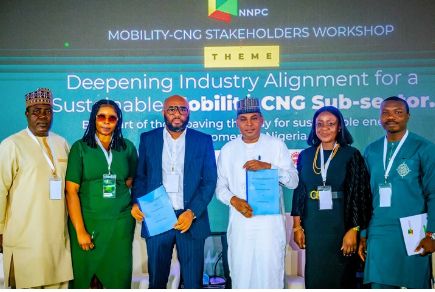
By Kamal Yalwa August 2, 2025 The Nigerian National Petroleum Company (NNPC) Gas Marketing Limited (NGML), a subsidiary of NNPC Limited, has signed a joint venture agreement with Zuid Energies Limited to construct compressed natural gas (CNG) and liquefied natural gas (LNG) plants in Ajaokuta, Kogi State. The announcement was made during the Mobility-CNG Stakeholders Workshop in Abuja, themed “Deepening Industry Alignment for a Sustainable Mobility-CNG Sub-Sector.” The event brought together regulators and downstream operators to explore collaborative solutions for Nigeria’s energy transition and expansion of commercial gas opportunities. Under the agreement, the new gas infrastructure will include: According to a statement from the NNPC, the initiative underscores NGML’s commitment to “leveraging private sector partnerships to deliver innovative virtual pipeline solutions for efficient gas supply to off-grid and underserved areas.” The new project adds to a growing list of gas infrastructure developments in Ajaokuta. Earlier in January, NNPC began constructing five mini-LNG plants in the area with a combined target output of 97 mmscfd. These include: The Federal Government continues to prioritize CNG as part of its clean energy and mobility agenda, in line with its national gas expansion program.

Read More
MAN Urges Manufacturers to Seek Alternative Funding Amid Economic Strain

MAN Urges Manufacturers to Seek Alternative Funding Amid Economic Strain

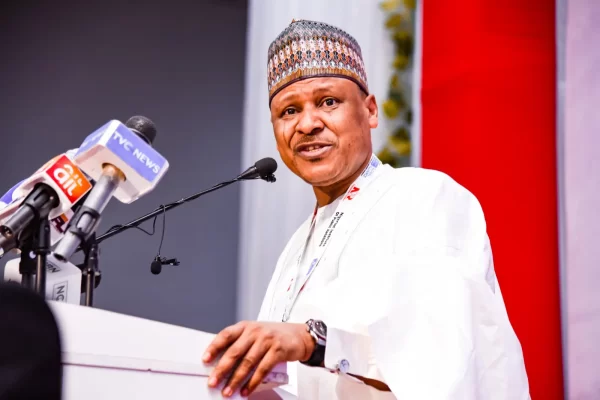
By Kamal Yalwa: August 2, 2025 The Manufacturers Association of Nigeria (MAN) has called on its members to explore alternative sources of funding as the country grapples with persistent economic challenges and high interest rates. Speaking during the 40th Annual General Meeting (AGM) of the Ogun State branch of MAN, Chairman George Onafowokan highlighted the growing difficulty manufacturers face in accessing credit from commercial banks. He attributed this to the soaring Monetary Policy Rate (MPR), which stood at 27.5% as of May 2025, saying it has made loan repayments difficult and significantly eroded profit margins. Onafowokan urged manufacturers to consider innovative and non-traditional financing options to keep their businesses afloat and competitive under the current harsh economic conditions. Representing Ogun State Governor Dapo Abiodun at the event, Commissioner for Industry, Trade, and Investment, Adebola Sofela, commended manufacturers for their resilience. He reaffirmed the state government’s commitment to enhancing the ease of doing business through policies such as tax harmonization and improved infrastructure development. Stakeholders at the event also used the occasion to advocate for the revival of quarterly interactive meetings between manufacturers and government agencies, the rehabilitation of internal roads in industrial hubs like Agbara and Ota, and a halt to multiple taxation, which they say continues to stifle business growth. The AGM served as a platform for robust dialogue between the private sector and government on how to revitalize manufacturing in the face of Nigeria’s ongoing economic headwinds.

Read More

Information Ministry Urges Calm Over Suspension of Badeggi Radio in Niger

By Kamal Yalwa: August 2, 2025 has called for calm following concerns raised over the suspension of Badeggi FM, a radio station based in Minna, Niger State. The Ministry’s position was made known in a statement issued on Saturday by Rabiu Ibrahim, Special Assistant (Media) to the Minister of Information and National Orientation, Mohammed Idris. The suspension of Badeggi FM was reportedly ordered by Niger State Governor Mohammed Umaru Bago during an expanded All Progressives Congress (APC) caucus meeting in Minna on August 1, which the Minister also attended. Governor Bago cited alleged unethical broadcasting and incitement against the government as reasons for the station’s closure. In response, the Information Ministry emphasized that the power to suspend broadcasting licenses lies solely with the National Broadcasting Commission (NBC), in accordance with Nigerian law. “While acknowledging the concerns raised, the Ministry notes that the suspension of broadcasting licenses falls within the purview of the National Broadcasting Commission (NBC), as stipulated by law,” the statement read. The Ministry welcomed the decision by the Niger State Government to report the matter to the NBC for proper investigation and resolution. The development has sparked debate among stakeholders in the media industry, with many urging due process and respect for regulatory frameworks.

Read More
One Year After Deadly Protests, Amnesty International Slams Nigerian Government Over Lack of Accountability

One Year After Deadly Protests, Amnesty International Slams Nigerian Government Over Lack of Accountability

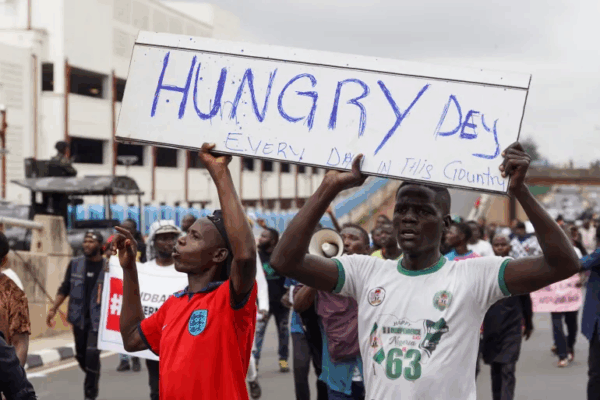
By Kamal Yalwa: August 2, 2025 | Abuja One year after security forces reportedly killed at least 24 protesters during nationwide demonstrations against economic hardship, Amnesty International has condemned the Nigerian government’s continued failure to ensure justice and accountability. The human rights watchdog, in a statement issued on Friday to mark the anniversary of the 2024 protests, accused Nigerian police of denying well-documented allegations of extrajudicial killings, torture, and unlawful arrests. “Despite the gravity of these human rights violations, not a single member of the security forces has been prosecuted,” said Isa Sanusi, Director of Amnesty International Nigeria. “Accountability remains elusive for the 24 peaceful protesters killed in Kano, Jigawa, Katsina, Borno, Niger and Kaduna states. Those behind these atrocities must be held to account.” The protests, which began in early August 2024 under the hashtag #EndBadGovernanceInNigeria, were sparked by growing public anger over soaring fuel prices and runaway inflation, largely triggered by President Bola Ahmed Tinubu’s sweeping economic reforms, including the removal of fuel subsidies and floating of the naira. Amnesty said its investigations confirmed that police fired live ammunition at close range—often targeting the head and torso—indicating a clear “shoot-to-kill” approach. The organisation also raised alarm over the “sham trials” of hundreds of protesters arrested during and after the demonstrations. Many of the arrested face charges ranging from inciting mutiny to calling for a military takeover and using WhatsApp to “levy war against the state.” Some were reportedly charged for chanting slogans such as “Tinubu must go.” “The Nigerian authorities are yet to take appropriate and effective measures to respect, protect, promote and fulfil the rights to freedom of expression and peaceful assembly,” Sanusi said, while also accusing the government of continuing mass surveillance, intimidation, and arbitrary detention of protesters. Though some detainees—many of them minors—were released by presidential order following public outcry in late 2024, over 700 people still face trial. The Ministry of Justice did not respond to AFP’s request for comment on the allegations. While President Tinubu’s economic reforms have been hailed by some international observers as necessary for long-term growth, the short-term effects have devastated millions of Nigerians, pushing many into poverty and prompting widespread unrest. Amnesty reiterated its call for full investigations, transparent prosecutions, and compensation for victims’ families.

Read More