NAHCON Cuts 2026 Hajj Fares, Sets December 5 Payment Deadline

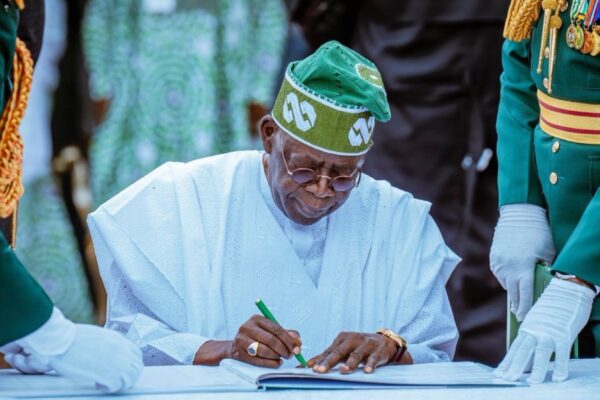
The National Hajj Commission of Nigeria (NAHCON) has reduced the 2026 Hajj fares, offering Nigerian pilgrims notable savings compared to last year. Pilgrims from Borno and Adamawa zones will now pay ₦7,579,020.96, down from ₦8,327,125.59 in 2025, a decrease of ₦748,104.63. The Northern Zone fare is ₦7,696,769.76, down ₦760,915.83 from ₦8,457,685.59, while the Southern Zone fare has dropped to ₦7,991,141.76 from ₦8,784,085.59, a reduction of ₦792,943.83. NAHCON said the adjustments are meant to make the pilgrimage more affordable for Nigerian Muslims. The commission also set December 5, 2025, as the final date for pilgrims to complete payments, urging compliance to ensure smooth processing. The fare revision follows directives from President Bola Tinubu, conveyed through his Deputy Chief of Staff, Sen. Ibrahim Hadeija, instructing NAHCON to lower the 2026 Hajj costs. The agency had first announced the approved fares in September 2025. For more details, NAHCON advised the public to visit its official website at www.nahcon.gov.ng.

Read More

EFCC Declares Timipre Sylva Wanted Over Alleged $14.8 Million Fraud

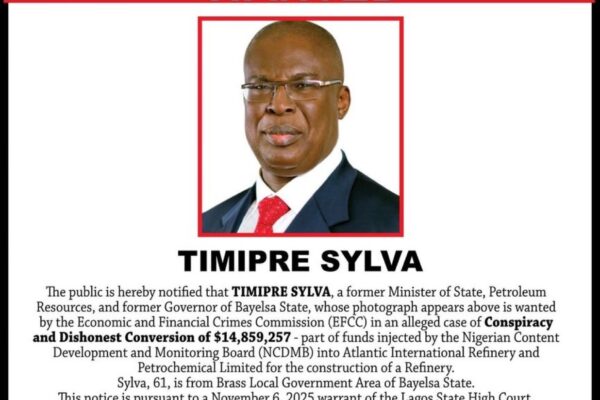
The Economic and Financial Crimes Commission (EFCC) has declared former Minister of State for Petroleum Resources and ex-Governor of Bayelsa State, Timipre Sylva, wanted over allegations of conspiracy and dishonest conversion of $14.8 million. According to a statement issued by the EFCC’s spokesman, Dele Oyewale, Sylva is wanted in connection with funds reportedly injected by the Nigerian Content Development and Monitoring Board (NCDMB) into Atlantic International Refinery and Petrochemical Limited for the construction of a refinery. The anti-graft agency said the public should note that a warrant for Sylva’s arrest was issued by the Lagos State High Court on November 6, 2025. “The public is hereby notified that Timipre Sylva, former Minister of State for Petroleum Resources and former Governor of Bayelsa State, is wanted by the EFCC in an alleged case of conspiracy and dishonest conversion of $14,859,257. Sylva, 61, hails from Brass Local Government Area of Bayelsa State,” the notice read. The EFCC appealed to the public for useful information that could lead to his arrest, urging anyone with knowledge of his whereabouts to report to any of its zonal offices nationwide, the nearest police station, or contact the agency through 08093322644 or info@efcc.gov.ng.

Read More

Ugandan President Confirms Kenyan Activists Detained for Five Weeks Before Release

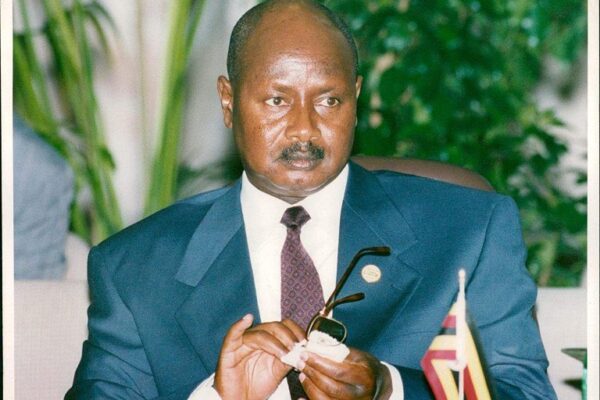
For the first time since their disappearance, Ugandan President Yoweri Museveni has acknowledged that two Kenyan activists, Bob Njagi and Nicholas Oyoo, were detained by Ugandan security operatives for over five weeks. The activists went missing last month after attending a political event in Uganda, where they expressed support for opposition leader Bobi Wine. Eyewitnesses reported that masked men in uniform forced them into a vehicle shortly after the gathering, sparking regional outrage. In a live interview on Saturday, Museveni described the pair as “experts in riots” and said they had been put “in the fridge for some days.” He accused foreign actors of stirring unrest in East Africa and warned that those involved in such activities in Uganda would “end up badly.” Museveni revealed that the activists were released following calls from unnamed Kenyan leaders requesting their freedom. Upon their return to Kenya, Njagi and Oyoo were warmly received by supporters at Nairobi’s Jomo Kenyatta International Airport. “Thirty-eight days of abduction was not easy. We didn’t think we would come out alive because we were being abducted by the military,” Njagi said. Kenya’s Foreign Minister, Musalia Mudavadi, confirmed that their release resulted from sustained diplomatic engagement between the two countries. Human rights groups, including Vocal Africa, the Law Society of Kenya, and Amnesty International, welcomed the release, calling it a step toward protecting the rights of East Africans across the region. Bobi Wine criticized the Ugandan authorities, questioning why the activists were not formally charged if they had committed any offense. The case has raised concerns about a growing trend of cross-border abductions and political detentions in East Africa.

Read More

Oyo Teacher Killed by Students After Confronting Them Over Gambling

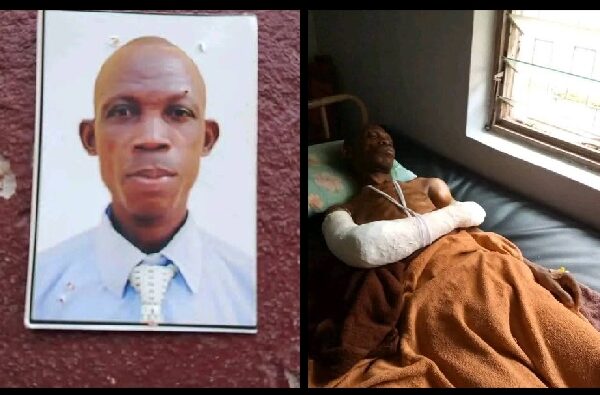
A horrifying incident unfolded at Soun High School in Ogbomoso, Oyo State, where a teacher, Mr. Fatai Adegoke, was reportedly attacked and killed by his students while trying to stop them from gambling during school hours. According to eyewitnesses, the confrontation began when Mr. Adegoke caught a group of students gambling inside a classroom. The situation quickly escalated as the students allegedly turned violent, assaulting the teacher and causing severe injuries, including broken limbs. He was rushed to a nearby hospital but sadly died from his injuries. A statement from a group of concerned educators described Mr. Adegoke as “a dedicated and disciplined professional whose life was cut short in the line of duty.” “This tragic and avoidable death is not only an assault on Mr. Adegoke but also an attack on the entire teaching profession,” the statement read. The educators urged the Nigeria Union of Teachers (NUT), the Teaching Service Commission (TESCOM), and law enforcement authorities to ensure the perpetrators are brought to justice. They also called on the parents of the students involved to take responsibility for failing to instill discipline in their children. Highlighting the incident as a reflection of growing moral decay in schools and homes, the group stressed the urgent need for stricter disciplinary policies, moral education, and stronger safety measures for teachers across public schools. Attempts to get official confirmation from the Oyo State Police Public Relations Officer, Adewale Osifeso, were unsuccessful at the time of reporting.

Read More

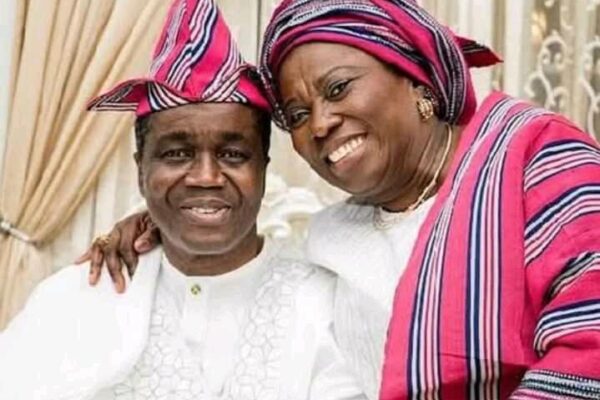
Bishop David Abioye Says Wife Tested Negative After HIV Scare Through Divine Healing

Bishop David Abioye, founder of Living Word Conquerors Global Assembly, has shared how his wife, Mary Abioye, was once wrongly diagnosed with HIV during the COVID-19 pandemic and later confirmed negative following his declaration of faith in divine healing. The cleric recounted the incident during a recent sermon, explaining how his unwavering faith in God transformed a frightening medical report into a testimony. “During COVID, they said my wife had HIV. I said, ‘No, not in this body.’ I told them, ‘Do the check-up.’ They checked and couldn’t find anything there,” Bishop Abioye told his congregation. He stressed that true healing requires boldness, not negotiation. “Healing is not for gentlemen. You don’t negotiate sickness to go; you crush it to go. Some people are negotiating with bandits, and that’s why their problems persist,” he added. Bishop Abioye, who retired from Living Faith Church (Winners’ Chapel) in 2024, now leads Living Word Conquerors Global Assembly, where he continues to preach faith, healing, and victory in Christ.

Read More

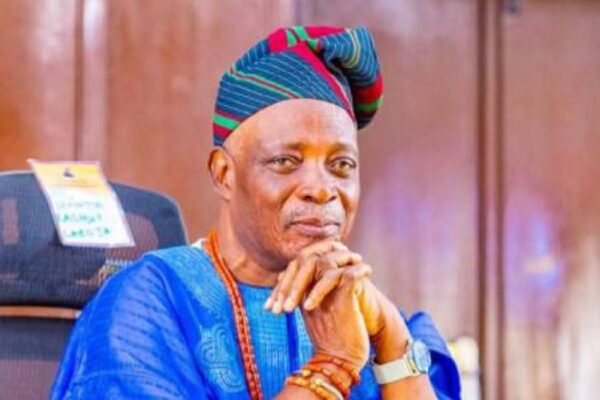
Olubadan: Trump’s Warning a Wake-Up Call for Nigeria to Confront Terrorism

The Olubadan of Ibadanland, Oba Rashidi Ladoja, has described U.S. President Donald Trump’s recent comments on Nigeria as a wake-up call for the nation to confront terrorism head-on and heal religious divisions. Speaking while receiving the President of the Pentecostal Fellowship of Nigeria (PFN), Bishop Wale Oke, at his palace in Oke Aremo, Ibadan North Local Government Area, the monarch urged Nigerians to unite against terrorism and “fight it to a standstill while placating the aggrieved.” In a statement issued by his media aide, Adeola Oloko, on Sunday, Oba Ladoja lamented that Nigeria has been battling terrorism for over a decade — dating back to the final years of former President Goodluck Jonathan’s administration in 2014. “Many people have been killed and property worth an inestimable amount of money destroyed. Multitudes of families, particularly women and children, have been displaced. Kidnappings have taken place,” the monarch said. He noted that successive administrations — from Jonathan to Muhammadu Buhari and now President Bola Tinubu — have made efforts to combat insecurity, but warned that terrorism remains a threat to all Nigerians, regardless of religion. “Terrorists don’t know the difference between Muslims and Christians. They see everybody as prey, while they are the predator,” he added. “We must unite as one people to overcome this menace and also placate our brethren who feel aggrieved by the violence.” Oba Ladoja also praised the peaceful coexistence among people of different faiths in the South-West, urging other regions to emulate such harmony. Earlier, Bishop Wale Oke congratulated Ladoja on his emergence as the 44th Olubadan of Ibadanland, praying that God grants him wisdom and understanding to lead with fairness and compassion. The PFN President also called on President Tinubu to work closely with U.S. President Donald Trump to address the killings and attacks ravaging several communities across the country, particularly in the North. Meanwhile, President Tinubu on Friday met with the Sultan of Sokoto, Alhaji Muhammad Sa’adu Abubakar, at the Presidential Villa, Abuja, days after holding a similar meeting with the Catholic Archbishop of Abuja, Bishop Ignatius Kaigama. According to sources, the meetings are part of ongoing consultations with religious and traditional leaders following Trump’s description of Nigeria as a country facing religious persecution and human rights abuses. The Speaker of the House of Representatives, Tajudeen Abbas, accompanied the Sultan to the meeting. Nigeria’s federal government has since rejected the U.S. characterisation, insisting that violence across the country is driven by multiple factors — not religion — and that the constitution guarantees freedom of worship for all citizens.

Read More

Terrorists Attack Passenger Bus on Ayere–Kabba Road in Kogi, Kill One, Injure Several

A terrorist attack on a commercial bus has left one passenger dead and several others injured along the Ayere–Kabba Road in the Ijumu Local Government Area of Kogi State. Eyewitnesses told reporters that the incident occurred around 5 p.m. on Sunday, when gunmen opened fire on travellers along the busy route. According to a witness, some vehicles narrowly escaped the ambush, while several passengers sustained gunshot wounds. “One person was confirmed dead at the general hospital, while others are receiving treatment for gunshot injuries,” a local source said. Residents say the Ayere–Kabba axis has become increasingly dangerous for commuters, with frequent attacks by armed gangs believed to be operating between Kogi and neighbouring Kwara State. In recent months, communities along the Kogi–Kwara border have witnessed a surge in terrorist attacks, kidnappings, and violent crimes, heightening fears among residents and travellers. On Sunday, residents of Yagba East Local Government Area staged a protest in Isanlu, demanding urgent government action over the escalating insecurity in the region. The demonstration, held in front of the General Hospital, Isanlu, followed the killing of an elderly, sick woman who had been abducted by bandits a day earlier. Eyewitnesses reported that protesters blocked major roads, set tyres ablaze, and chanted slogans calling for immediate deployment of more security personnel. Sources said the kidnapped woman was killed after the abductors realised she was too weak to keep up with them in the forest. The killing has sparked outrage and mourning across the community, as residents lament what they describe as government inaction in the face of worsening insecurity. Communities across Yagba East and West have faced repeated kidnappings and armed robberies in recent months, with attacks occurring almost daily. Local leaders have repeatedly appealed to both the state and federal governments to strengthen security presence and protect residents from further violence.

Read More

FG Exceeds Borrowing Limit by N6trn in 10 Months, Raises Debt to N17.36trn

The Federal Government (FG) has borrowed a total of N17.36 trillion from domestic and foreign sources between January and October 2025, surpassing the ten-month borrowing limit set in the 2025 Appropriation Act by N6.06 trillion, or 55.6 percent. According to data from the Debt Management Office (DMO) and the Central Bank of Nigeria (CBN), the government secured N15.8 trillion from domestic investors and N1.56 trillion from external sources within the period under review. This borrowing level already exceeds the prorated target of N10.9 trillion set for the first ten months of the year. The 2025 national budget had projected a total borrowing of N13.08 trillion for the entire fiscal year to finance a N13.08 trillion deficit, based on projected revenue of N41.91 trillion and total expenditure of N54.99 trillion. Meanwhile, the Federal Government recently initiated moves to raise an additional $2.35 billion (N3.38 trillion) through a Eurobond issuance, which could push total borrowings to around N20.74 trillion. Analysts estimate that if the current borrowing trend continues, total government debt for the year could approach N23 trillion—about N10 trillion higher than budget projections. Fiscal Indiscipline, Rising Debt Concerns Financial experts have expressed concern that the government’s persistent overshooting of its borrowing plan amid weak revenue growth could trap the country in a cycle of unsustainable debt. Andrew Uviase, Managing Partner at Ecovis OUC, described the trend as “a clear reflection of fiscal indiscipline and poor expenditure control,” urging government to cut waste and improve governance efficiency. Similarly, David Adonri, Vice Executive Chairman of Highcap Securities, said the excessive borrowing stems from “aggressive and unrealistic revenue assumptions,” especially oil-related projections. “The 2025 budget was based on an oil output of 2.06 million barrels per day at $75 per barrel — both overly optimistic,” he said. “Actual output has averaged around 1.6 to 1.7 million barrels, while prices have fallen below $70.” Adonri warned that government’s “addiction to debt” risks eroding fiscal credibility, despite claims of increased revenue from the removal of fuel and FX subsidies. Tunde Abidoye, Head of Research at FBNQuest Merchant Bank, echoed the sentiment, warning that the government’s borrowing spree “is crowding out private sector access to credit” and driving up interest rates. Breakdown of Borrowing The FG borrowed N11.43 trillion through Treasury Bills as of October, a 4.6 percent year-on-year increase from N10.93 trillion in 2024. Borrowing through FGN Bonds dropped by 22 percent to N4.04 trillion, while FGN Savings Bonds rose by 5.6 percent to N40.19 billion. The government also reintroduced Sukuk Bonds, raising N300 billion this year. Threats to Private Sector and Growth Analysts warn that the surge in government borrowing is pushing up yields on government securities — now above 20 percent — discouraging lending to private businesses. Adonri noted that “excessive borrowing by the government escalates the cost of funds and crowds out the production sector,” while Uviase warned that “banks naturally prefer lending to the government over businesses,” stifling industrial growth. IMF, Fiscal Framework at Odds The borrowing overshoot also contradicts Nigeria’s Medium-Term Fiscal Framework (2025–2027), which targets a budget deficit below 3% of GDP. The IMF and World Bank have repeatedly warned about Nigeria’s rising debt-service-to-revenue ratio, estimated at 83 percent in 2024. Analyst Clifford Egbomeade cautioned that “the government’s excessive domestic borrowing undermines the IMF-backed fiscal consolidation agenda,” adding that even with GDP growth of 4.23 percent in Q2 2025 and inflation moderating to 18 percent, the fiscal gap continues to widen. Calls for Reform Experts urge the Federal Government to strengthen tax reforms, cut recurrent expenditure, and boost non-oil revenue to reduce debt reliance. Abidoye advised government to “reduce the debt ceiling from 60% of GDP and benchmark borrowing against revenue,” while Egbomeade urged “rebalancing borrowing toward longer-term, concessional external loans” to ease refinancing risks. Uviase summed up the concern succinctly: “Without strict expenditure control and honest fiscal management, Nigeria risks borrowing to service debt rather than to finance growth.”

Read More