Tinubu Lauds Nigeria’s Delisting From FATF Grey List

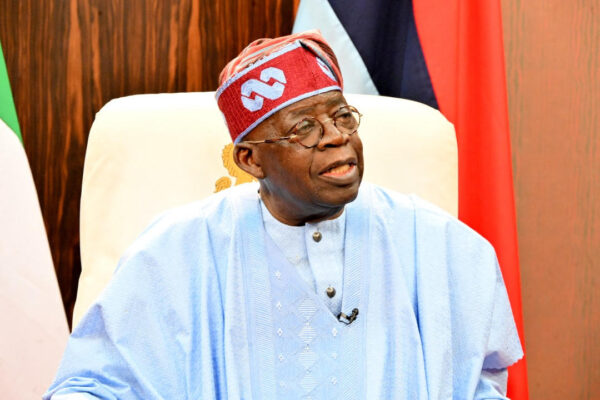
President Bola Ahmed Tinubu has hailed the removal of Nigeria from the Financial Action Task Force (FATF) grey list, describing it as a “major milestone in Nigeria’s journey towards economic reform, institutional integrity, and global credibility.” The FATF, the world’s leading body for combating money laundering and terrorist financing, announced Nigeria’s delisting at its plenary session held in Paris, France, on Friday. The move officially removes the country from the list of jurisdictions under increased monitoring, commonly known as the grey list. A statement released by Bayo Onanuga, Special Adviser to the President on Information and Strategy, confirmed that the decision followed Nigeria’s successful completion of its FATF Action Plan after more than two years of sustained effort and reform. Tinubu credited the achievement to strong inter-agency coordination aimed at fortifying Nigeria’s Anti-Money Laundering and Counter-Financing of Terrorism (AML/CFT) framework. “In February 2023, the FATF placed Nigeria on the grey list. The message from the global community was clear — we needed stronger enforcement, better coordination, and more transparency. Rather than view it as a setback, Nigeria took it as a call to action,” the president said in the statement. Under Tinubu’s leadership, the government introduced sweeping legal, institutional, and operational reforms. The Nigerian Financial Intelligence Unit (NFIU), working closely with the Ministries of Justice, Finance, and Interior, spearheaded the implementation process that led to this outcome. President Tinubu expressed appreciation to the NFIU’s Director/CEO, Ms. Hafsat Abubakar Bakari, and her team for their diligence, noting that their commitment was instrumental in the recognition Nigeria received from the international community. He also thanked ministers, agencies, and the private sector representatives who participated actively in the National Task Force on AML/CFT. The president acknowledged the support of key government institutions, including the Central Bank of Nigeria, the Economic and Financial Crimes Commission (EFCC), the Independent Corrupt Practices Commission (ICPC), and the National Drug Law Enforcement Agency (NDLEA), among others. He also expressed gratitude to international partners — including France, Germany, the United Kingdom, the United States, the United Nations, and the European Commission — for their technical support throughout the process. Tinubu described the delisting as not merely a technical accomplishment but a strategic victory for Nigeria’s economy and a renewed vote of confidence in the nation’s financial governance. He emphasized that the government would sustain ongoing reforms, deepen institutional collaboration, and build a financial system that inspires global trust.
Read More

Oluyede Replaces Musa as CDS as Tinubu Appoints New Service Chiefs

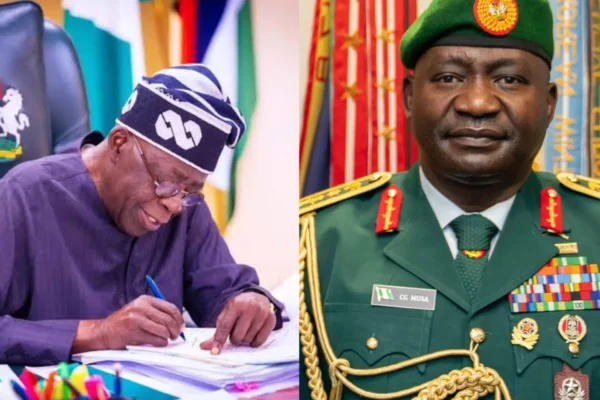
President Bola Ahmed Tinubu has approved a major shake-up in the leadership of the Nigerian Armed Forces as part of his administration’s efforts to strengthen the country’s national security architecture. The announcement marks one of the most significant military leadership changes since Tinubu assumed office. According to a statement released on Friday by Sunday Dare, Special Adviser to the President on Media and Public Communication, General Olufemi Oluyede has been appointed as the new Chief of Defence Staff (CDS), succeeding General Christopher Musa. The appointment takes immediate effect. In the statement, President Tinubu also named Major-General W. Shaibu as the new Chief of Army Staff, Air Vice Marshal S.K. Aneke as Chief of Air Staff, and Rear Admiral I. Abbas as the new Chief of Naval Staff. The Chief of Defence Intelligence, Major-General E.A.P. Undiendeye, will retain his position. The president’s latest appointments are aimed at ensuring continuity, professionalism, and a renewed strategic direction in addressing the nation’s evolving security challenges. The move comes amid ongoing counterterrorism operations, banditry concerns, and efforts to restore peace across conflict-prone regions. Tinubu expressed his appreciation to the outgoing service chiefs for their patriotic service and commitment to the nation. He commended their leadership and dedication to safeguarding Nigeria’s sovereignty and territorial integrity during their tenure. “Their sacrifices and contributions to national stability will never be forgotten,” the president said, as quoted in the official statement. He further urged the new appointees to uphold discipline, loyalty, and excellence in their service to the nation. The newly appointed service chiefs are expected to build upon existing reforms within the defence sector, focusing on intelligence-driven operations, enhanced inter-agency collaboration, and modernization of military capabilities. President Tinubu reaffirmed his administration’s unwavering commitment to the safety of all Nigerians and the defence of the nation’s unity, emphasizing that security remains a top priority in his Renewed Hope Agenda.

Read More

Tinubu Reshuffles Military Leadership, Appoints New Service Chiefs

President Bola Ahmed Tinubu has approved fresh appointments in the Nigerian Armed Forces, marking a major overhaul of the country’s military leadership aimed at boosting national security and operational effectiveness. In a statement issued on Friday by his Special Adviser on Media and Public Communication, Chief Sunday Dare, the President named former Chief of Army Staff, Lt. General Olufemi Oluyede, as the new Chief of Defence Staff, succeeding General Christopher Musa. The newly appointed Service Chiefs are: Chief of Defence Staff: Lt. General Olufemi Oluyede Chief of Army Staff: Major-General W. Shaibu Chief of Air Staff: Air Vice Marshal S.K. Aneke Chief of Naval Staff: Rear Admiral I. Abbas Chief of Defence Intelligence: Major-General E.A.P. Undiendeye (retains position) According to the presidency, the shake-up is part of the administration’s commitment to reposition the armed forces for improved synergy, enhanced professionalism, and stronger response to Nigeria’s evolving security challenges.

Read More
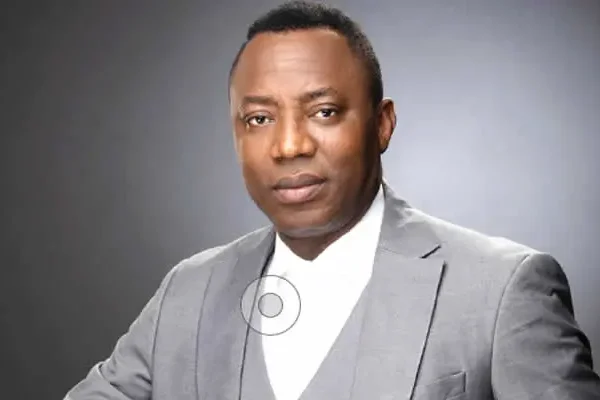
Police Arrest Omoyele Sowore Again After Court Appearance In Abuja

Police Arrest Omoyele Sowore Again After Court Appearance In Abuja

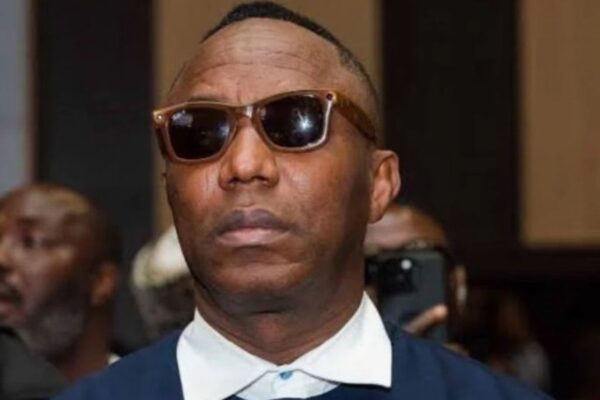
Human rights activist and #FreeNnamdiKanuNow advocate, Omoyele Sowore, was taken into custody again by the Nigeria Police shortly after his court session at the Kuje Magistrate Court in Abuja on Friday. Sowore, along with Nnamdi Kanu’s brother, Prince Emmanuel Kanu, a former member of Kanu’s legal team, and ten others, had earlier been granted bail after meeting all the conditions set by the court. The bail terms required each defendant to pay ₦500,000, provide two sureties residing in the Federal Capital Territory, present valid means of identification, and show proof of tax payment for the last three years. However, minutes after the court proceedings ended, police officers reportedly surrounded Sowore and whisked him away to Kuje Prison, despite confirmation that he had met all bail requirements. He is expected to appear in court again on Monday, October 27, on a new charge linked to his recent statement describing President Bola Tinubu as a criminal.

Read More

Sowore, Nnamdi Kanu’s Lawyer And Brother Granted Bail Over #FreeNnamdiKanuNow Protest In Abuja

A Magistrate’s Court in Kuje, Abuja, has granted bail to activist and publisher Omoyele Sowore, along with Aloy Ejimakor — a lawyer on Nnamdi Kanu’s legal team — the IPOB leader’s brother, Prince Emmanuel Kanu, and ten other persons. The court approved bail in the sum of ₦500,000 each, with two sureties in like sum. The thirteen defendants had been charged with inciting public disturbance and breaching the peace following their participation in the #FreeNnamdiKanuNow protest, which took place in Abuja on October 20. While Ejimakor, Emmanuel, and the other protesters were detained at the Kuje Correctional Centre after their arrest during the rally, Sowore was picked up on October 23 at the Federal High Court premises in Abuja, where he had gone to show support during Kanu’s ongoing terrorism trial.

Read More

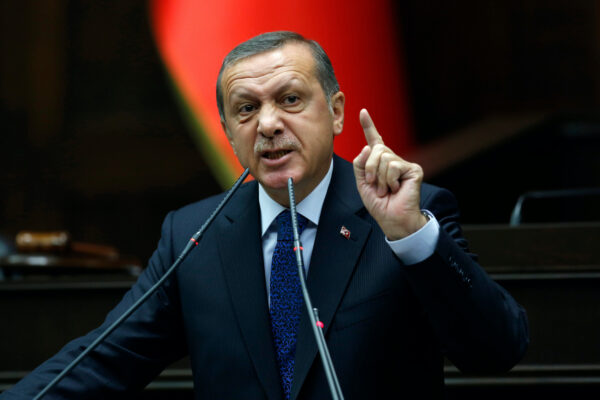
Erdogan Calls on US and Allies to Pressure Israel Over Gaza Ceasefire Violations

Turkish President Recep Tayyip Erdogan has urged the United States and other nations to take stronger action to ensure Israel abides by the Gaza ceasefire agreement. He suggested that measures such as sanctions or suspending arms sales should be considered to compel Israel to stop its violations. Speaking to reporters on board a return flight from Oman, Erdogan emphasized that Hamas was adhering to the terms of the ceasefire. “Gaza is a test for the Islamic world. God willing, we will pass this test with flying colours and take our place alongside our brothers and sisters in the strongest possible way,” he said, according to an official readout. The Turkish leader reiterated that Türkiye remains prepared to assist in the implementation of the planned Gaza task force “in any way needed.” Ankara has consistently expressed support for international mechanisms aimed at maintaining stability and rebuilding Gaza following the devastation caused by the conflict. Reports in recent days suggest that Israeli Prime Minister Benjamin Netanyahu has rejected any involvement of Turkish personnel on the ground in Gaza. This stance underscores the deep mistrust that continues to define relations between the two countries. Since the outbreak of Israel’s war on Gaza, relations between Türkiye and Israel—already strained—have deteriorated further. Erdogan has frequently accused Israel of committing atrocities and violating international law during its military operations. Turkish officials have also criticized what they describe as the international community’s “double standards” in holding Israel accountable. Ankara has repeatedly called on Western powers to match their statements with concrete actions to enforce compliance with ceasefire terms. Erdogan’s latest comments come amid fragile calm in Gaza, where sporadic Israeli operations and airstrikes have continued despite the ceasefire framework brokered by international mediators. Humanitarian agencies warn that violations risk reigniting a wider escalation. Türkiye has positioned itself as a vocal advocate for Palestinian rights, providing humanitarian assistance and calling for international unity in rebuilding Gaza. Erdogan’s appeal highlights Ankara’s ongoing effort to shape regional diplomacy and assert its influence in the post-conflict landscape.

Read More

Palestinian Teen Killed in Israeli Raid on West Bank as Settlers Rampage

Published on October 24, 2025 A Palestinian teenager has died from wounds sustained during an Israeli military raid on the Askar refugee camp in Nablus, marking another deadly episode in the occupied West Bank as Israeli settler violence intensifies. Eighteen-year-old Mohammed Ahmed Abu Haneen succumbed to his injuries on Friday, according to the Wafa news agency, amid continuing Israeli operations and arrests across the territory. The Israeli army confirmed that 44 Palestinians were detained over the past week in operations carried out across several West Bank towns, including Hebron, Tubas, and Tal. Troops reportedly seized weapons and conducted interrogations, claiming the arrests targeted individuals “wanted by Israel.” The killing of Abu Haneen follows that of 10-year-old Mohammad al-Hallaq, who was shot dead by Israeli forces last week while playing football in Hebron. According to the United Nations, more than 1,000 Palestinians — including 213 children and 20 women — have been killed by Israeli forces and settlers in the West Bank since October 7, 2023. At least seven victims were people with disabilities, the UN added. Despite a US-brokered ceasefire in Gaza, reports indicate that Israeli violence and settler aggression in the West Bank have intensified. The ceasefire led to the release of nearly 2,000 Palestinian detainees, many showing signs of torture, while dozens of returned bodies have been found mutilated and bearing evidence of execution. Meanwhile, settlers — often operating with military protection — have launched near-daily attacks on Palestinian communities around Ramallah. Early Friday, settlers set fire to several vehicles in Deir Dibwan, east of Ramallah, and assaulted farmers harvesting olives in Beit Iksa, northwest of Jerusalem. Witnesses described the assaults as coordinated and protected by Israeli soldiers. On Sunday, 53-year-old Afaf Abu Alia was brutally attacked by a group of settlers in Turmus Aya while picking olives, sustaining a brain haemorrhage. “The attack started with about 10 settlers, but more kept joining,” one witness told Al Jazeera. “By the end, there were at least 40 of them — all protected by the army.” Data from the UN Office for the Coordination of Humanitarian Affairs (OCHA) show that settlers have carried out nearly 3,000 attacks on Palestinians across the West Bank in the past two years, highlighting a surge in violence and lawlessness under military protection. The UN Relief and Works Agency (UNRWA) also warned of “a sharp escalation in violence” since October 2023, denouncing Israel’s continued settlement expansion and de facto annexation of Palestinian lands as “a gross violation of international law.” Amid the mounting violence, the US has reiterated its opposition to Israel’s proposed annexation of the occupied West Bank. President Donald Trump said on Thursday that “Israel is not going to do anything with the West Bank,” dismissing a recent Israeli parliamentary vote to formalise annexation. Vice President JD Vance, currently visiting Israel, echoed the position, calling the move “a very stupid political stunt” and affirming that annexation “will not happen under this administration.”

Read More
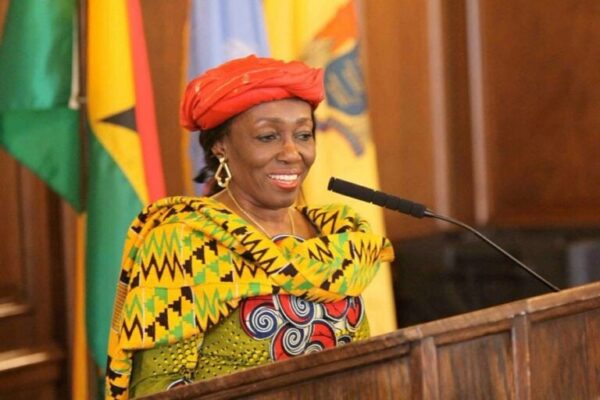
Ghana's Former First Lady Nana Konadu Agyeman-Rawlings Dies at 76

Ghana’s Former First Lady Nana Konadu Agyeman-Rawlings Dies at 76

Ghana is in mourning following the death of former First Lady Nana Konadu Agyeman-Rawlings at the age of 76 after a brief illness. She was the widow of Jerry John Rawlings, Ghana’s longest-serving leader, who passed away five years ago. Rawlings rose to power through two military coups and later served two terms as president under the country’s multiparty system. Presidential spokesperson Felix Kwakye Ofosu confirmed her passing, and her family formally informed President John Mahama later Thursday. Mahama, leader of the National Democratic Congress (NDC) founded by Rawlings, paid tribute to her during the swearing-in of new High Court justices. Born in November 1948 in Cape Coast, Agyeman-Rawlings came from a middle-class background and attended Achimota School in Accra, where she met her future husband. She later studied art and textiles, while Rawlings joined the Air Force and became a flight lieutenant in 1978, a year after their marriage. By the time Rawlings assumed power in 1979 at age 32, Nana Konadu had become a key adviser and partner in one of Ghana’s most influential political duos. The couple had four children, including Dr. Zanetor Agyeman-Rawlings, now an NDC member of parliament. Agyeman-Rawlings was a tireless advocate for women’s rights, playing a major role in shaping national policies. She helped pass the 1989 law guaranteeing inheritance rights for women and children and contributed to the gender equality provisions of Ghana’s 1992 constitution, which marked the start of multiparty democracy. Parliament adjourned in her honor, and tributes flooded social media celebrating her pioneering work. Richmond Rockson, spokesperson for the Ministry of Energy and Green Transition, called her “an exceptional First Lady whose visionary leadership and organizational skills left an indelible mark on Ghana’s history.” He added, “She stood firmly by Chairman Jerry John Rawlings during the revolution, displaying courage, loyalty, and resilience. Her commitment to women’s empowerment led to the creation of the 31st December Women’s Movement, which she led as president.” Agyeman-Rawlings also pursued her own political career, contesting the NDC’s presidential ticket in 2012. Through the 31st December Women’s Movement, named after the date of her husband’s second coup, she focused on empowering women and advancing community development through education and entrepreneurship, leaving a lasting legacy in Ghanaian politics and society.

Read More