Fuel marketers accuse Dangote Refinery of distributing substandard petrol

Dangote Refinery Ships Petrol to United States

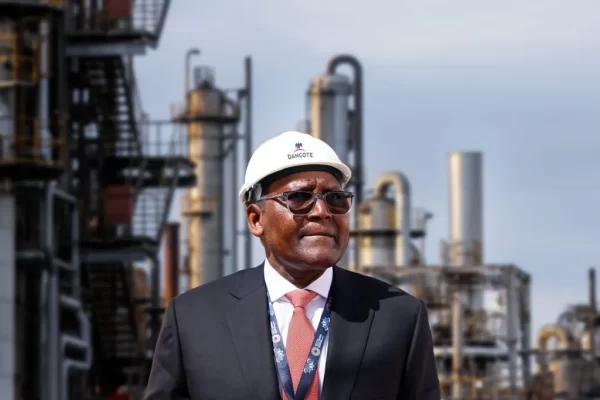
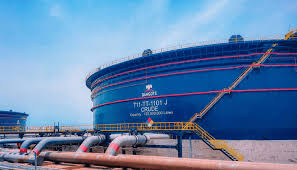
Nigeria’s Dangote Refinery has cleared a major hurdle on its path to global relevance, securing its first U.S. gasoline sales after meeting the country’s stringent fuel standards. The shipment was delivered via the tanker Gemini Pearl to Sunoco’s terminal in New York Harbor. This development positions Nigeria as a significant player in the refined petroleum market globally. Two additional shipments from the refinery are scheduled to arrive in the U.S. later this month. The shipment, carried aboard the tanker Gemini Pearl, was discharged on Monday at Sunoco’s Linden terminal in New York Harbor, according to vessel-tracking data and industry sources familiar with the deal. The move marks a pivotal moment for the 650,000 barrel-per-day refinery, as traders and refiners worldwide had been watching for proof that its output could compete in premium markets like the U.S. Reuters reports that Global trading giant Vitol purchased the Gemini Pearl’s 320,000-barrel gasoline cargo from Switzerland-based Mocoh Oil and resold most of it to U.S. fuel distributor Sunoco, the sources said. The exact volume Sunoco acquired was not disclosed but the delivery has been confirmed through shipping and customs data. The debut shipment will soon be followed by more. Beyond the U.S., the refinery has already tested new waters in Asia, sending about 90,000 metric tons of gasoline eastward in June, its first shipment outside West Africa. Another Dangote cargo, arranged by Glencore and sold to Shell, is scheduled to arrive in New York Harbor on September 19 aboard the MH Daisen. A third parcel, purchased by Vitol on the vessel Seaexplorer, is expected to dock around September 22. Sources cautioned, however, that final destinations may shift depending on market conditions. Dangote’s refinery, Africa’s largest and one of the biggest globally, has been ramping up operations after years of delays and high expectations. Long touted as a potential game changer, the Lagos-based facility is central to Nigeria’s effort to fix a paradox: being one of the world’s top oil producers yet chronically dependent on costly fuel imports. Crude rich but refinery poor, the country spends billions each year bringing in gasoline to meet local demand. Breaking into the U.S. market represents far more than a symbolic win. It demonstrates that the refinery’s products can meet some of the strictest quality and environmental standards in the global fuel trade, paving the way for exports to other premium destinations in Europe and Asia. Industry analysts say that if Dangote can consistently deliver to advanced markets, it could begin to reshape global trade flows and reposition Nigeria as not just a crude exporter but a serious player in refined products. It has also supplied low sulfur straight run fuel oil to Singapore and delivered two consignments of jet fuel to Saudi Aramco, indicating its widening global reach. To date, it has shipped roughly 1.7 million barrels of jet fuel to U.S. ports across six vessels, further cementing its growing role in international energy trade. For Dangote, these exports are more than commercial milestones. They signal a breakthrough into the world’s toughest markets and a step toward reducing Africa’s long standing dependence on imported fuel.
Read More
Dangote Refinery Suspends Discount Scheme Over Marketers’ Diversion Racket

Dangote Advocates Urgent Prioritisation of Manufacturing over Raw Materials Export in Africa

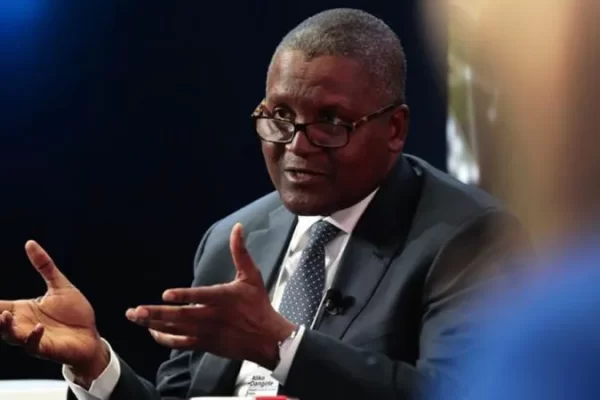
By Prince Iroka Africa’s wealthiest man and President of Dangote Industries Limited, Aliko Dangote, has called on Africans to leverage on internal strengths and global opportunities to fill existing gaps, and adopt a deliberate re-orientation toward industrialisation of Africa’s manufacturing sector, as a panacea against the current global economic instability. The renowned entrepreneur encouraged operators in the manufacturing and industrial sectors across the continent to embrace a fundamental shift in mindset and develop robust regional value chains and deepen intra-African trade as inward solutions to boost overall development across the continent. Dangote, who noted that current geo-political tensions and trade wars have caused major economies to reevaluate their traditional trade partnerships with a view to diversifying their supply chains, also urged African exporters to benefit from the current process to fill the gap by competitively supplying the required products. These recommendations were contained in Dangote’s welcome address at the company’s Special Day at the ongoing 4th Intra-African Trade Fair holding in Algiers, Algeria, where he was represented by his Special Adviser and Representative, Engr. Ahmed Mansur. “I am glad to be here at the 4th Intra-African Trade Fair (IATF). I am immensely grateful to the organisers – not only for inviting me and giving me the opportunity to speak – but also for going a step further by dedicating this remarkable day to my organisation, Dangote Group. To have today officially set aside as Dangote Day is both an honour and a privilege. “I thank the conveners – The African Export Import Bank, the African Union Commission and the Africa Continental Free Trade Area Secretariat – for organising this event. We appreciate the invaluable contributions you have made and the excellent work you continue to do in promoting, facilitating, and deepening trade and investment across the continent”, Dangote added. According to him, “this year’s theme, “Gateway to New Opportunities,” resonates deeply as a powerful reminder of the huge potential and prospects that abound across the African continent. For too long Africa’s resources have been exported as primary commodities in their raw and unrefined state with limited domestic processing or beneficiation. “There must be a fundamental shift in mindset and a deliberate re-orientation toward industrialisation and the development of Africa’s manufacturing sector. While this was always necessary in the past, it is even more urgent today, given the alarming rise in youth unemployment, and the need for sustainable, inclusive growth”, he added. The business tycoon observed that current geo-political tensions and trade wars have caused major economies to reevaluate their traditional trade partnerships with a view to diversifying their supply chains. “African exporters could benefit if they can fill the gap by competitively supplying the required products. Furthermore, global instability has encouraged African nations to look inward and actively pursue greater regional self-reliance. This inward focus can catalyse the development of robust regional value chains and significantly deepen intra-African trade”, he advised. “At Dangote, we are very proud of our Afrocentric posture, driven by an unwavering commitment to the continent’s growth and industrial transformation. We have added value to limestone and created the largest cement company in sub Saharan Africa with an aggregate cement production capacity of about 52MMtpa across 10 countries,” Dangote stated. “Similarly, our 3MMtpa urea plant has contributed to the attainment of fertiliser self-sufficiency. Nigeria, once solely reliant on imports is now a net exporter of granulated urea to destinations in Africa as well as to South America, North America and Europe. “More recently, we have witnessed the commencement of operation of Africa’s biggest oil refinery – also the world’s largest single-train facility, with a capacity of 650kbpd. This landmark project is gradually reducing the region’s long-standing dependence on imports of refined petroleum products, particularly from Europe, while also generating surplus for export to global markets. As Africa becomes more self-sufficient in energy it should reduce our vulnerability to external shocks and supply disruptions. “Africa’s potential and prospects are immense. However, this potential will only be fully actualised if individual nations take deliberate steps to improve their business environment. Unlocking new economic opportunities requires the implementation of appropriate policy reforms, investment in infrastructure, and attractive sector wide incentives to facilitate the inflow of private capital” Dangote concluded. At the Dangote Special Day, which drew admirers and various attendees, various Business Units of the conglomerate such as Dangote Cement, Dangote Sugar, Dangote Salt (NASCON), Dangote Fertiliser, Dangote Polypropylene, and Dangote Packaging did presentations and urged greater collaboration among trade partners and manufacturers across Africa for the development of the continent.

Read More
NNPC

NNPC Ltd appoints Andy Odeh as new spokesperson…Adewunmi as Chief Relations Officer

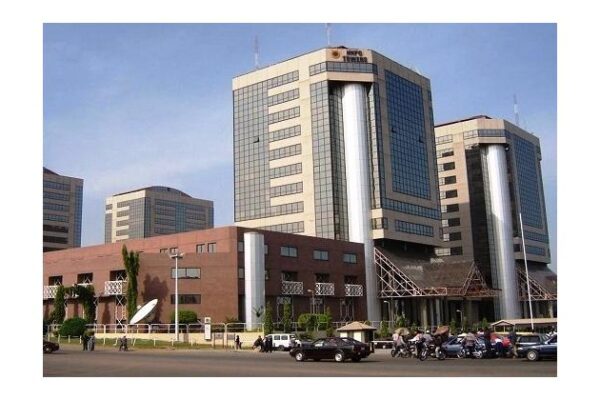
By Prince Iroka The Nigerian National Petroleum Company (NNPC), Limited, yesterday, announced the appointment of Mr. Andy Odeh, as its new Chief Corporate Communications Officer(CCCO).Also appointed is Mrs. Morenike Adewunmi, as the Chief Relations Officer. Odeh brings over three decades of extensive experience in communications and business administration across the oil and gas, advertising, and broadcasting sectors. Prior to joining NNPC, he had a distinguished 26-year career at Nigeria LNG (NLNG). There, he held various leadership roles in Community Relations and Development; Business Logistics and Services; Information Management and Technology; Corporate Communications and Public Affairs; Government Relations and Regulatory Compliance, and most recently, General Manager of External Relations and Sustainable Development.He is recognised for his work on major public relations and advertising campaigns for top brands.At NLNG, he successfully managed the company’s rebranding and implemented one of Nigeria’s best-run micro-credit schemes for host communities. Mr. Odeh was also instrumental in instituting the NLNG Prize for Energy Reporting. He is an alumnus of the University of Jos, the University of Lagos, INSEAD Business School, and the Nigeria Institute for Policy and Strategic Studies (NIPSS), among others. Adewunmi is a legal professional with over 25 years of experience in the oil and gas industry. Her expertise is in stakeholder management and advocacy, particularly from her extensive tenure at the Shell Companies in Nigeria (SCIN). She is highly regarded for her ability to navigate complex external landscapes, ensuring regulatory compliance and protecting the company’s “License to operate”. At Shell, she held key roles, including Regulatory Affairs Manager, where she managed all mandatory regulatory engagements and permits. As the Government Relations Manager, she built and maintained constructive relationships with the Presidency, Ministries, Departments, and Agencies. Mrs. Adewunmi is known for her strong leadership skills, emotional intelligence, and ability to build robust stakeholder networks. She is a subject matter expert on non-technical risks and has a background in law from the Nigerian Law School and Olabisi Onabanjo University.The appointment of Mr. Odeh and Mrs. Adewunmi reflects NNPC Limited’s commitment to enhancing communication and engagement with stakeholders.

Read More

Dangote Refinery Appoints David Bird as CEO of Petroleum, Petrochemicals Division

By Kamal Yalwa: August 2, 2025 The Dangote Petroleum Refinery and Petrochemicals has appointed David Bird as the new Chief Executive Officer (CEO) of its petroleum and petrochemicals business. The appointment, which took effect in July 2025, was first reported by S&P Global on Friday. Bird’s arrival comes as the refinery seeks to scale up operations, resolve production challenges, and roll out an ambitious nationwide fuel distribution scheme already facing significant regulatory and logistical hurdles. A source at the company told TheCable that Bird is a mechanical engineer and an alumnus of Imperial College, London, with an MBA from Stanford University. He brings extensive global experience in the oil and gas industry. Prior to this appointment, Bird served as the head of Oman’s Duqm Refinery, and also held senior roles at Santos Ltd and Shell, including Vice President of Prelude FLNG, where he led operations on the world’s first floating LNG facility. He also chaired Shell Australia’s RAP board and headed operations at Shell’s largest refinery in Singapore — Pulau Bukom. Aliko Dangote, Chairman of Dangote Industries Limited, will continue to serve as chairman of the refining business while retaining his role as CEO of the broader Dangote Group, which spans cement, fertilizer, and sugar refining operations. In a LinkedIn post cited by S&P Global, Bird stated that his focus will be on driving maximum output, operational efficiency, and expanding Dangote’s market presence beyond Nigeria and into the wider African continent. His appointment marks a pivotal phase for the 650,000 barrels per day refinery, which has been gradually ramping up output since its commissioning by former President Muhammadu Buhari in May 2023. The refinery is expected to commence fuel distribution to end-users by August 15, 2025, using a fleet of 4,000 CNG-powered trucks, further positioning itself as a critical player in Africa’s energy landscape.

Read More

Dangote Refinery Suspends Discount Scheme Over Marketers’ Diversion Racket

The Dangote Petroleum Refinery and Petrochemicals has uncovered a fresh racket involving some of its affiliate marketers and strategic partners who were allegedly diverting discounted refined petroleum products for profit. This discovery has prompted the refinery to suspend its discounted fuel supply scheme with effect from July 13, 2025. Investigations revealed that certain marketers, who were granted discounted products intended to ensure affordability and steady nationwide supply, had been diverting loaded trucks to unregistered third-party marketers. This diversion allowed them to profit from the price differential while bypassing operational costs such as logistics and compliance. The discounted pricing scheme, designed to help Dangote’s registered affiliate marketers maintain stable profit margins and ensure nationwide product availability, was being exploited as some marketers resold products directly from the refinery’s tarmac at prices above the agreed subsidised rate. In a letter to all strategic partners signed by Fatima Dangote, Group Executive Director of Commercial Operations, the company stated: “DPRP Management is suspending the discounted price offered to Partners effective 13th July 2025 and working towards restructuring the scheme.” The refinery, however, clarified that all outstanding Product Release Notes issued at the discounted rate before the suspension date would remain valid. Payments completed before July 13 would still be honoured at the discounted rate. An oil and gas expert, Olatide Jeremiah, confirmed that some affiliate marketers had been diverting products to non-registered marketers to make quick profits. He noted that marketers were taking advantage of Dangote’s discount scheme and selling products at N819 per litre instead of the official N825, bypassing retail station operations. Recent market checks show that non-affiliated marketers who rely on imported fuel have continued to align their prices with Dangote’s registered marketers, with ex-depot prices averaging N820 per litre, down from N835 at the start of last week. Although the refinery did not publicly name the defaulting marketers, its strategic partners include MRS Oil, Heyden Petroleum, Ardova Plc, Hyde Energy, Optima Energy, Techno Oil, TotalEnergies, Garima Petroleum, Sunbeth Energies, Sobaz Nigeria Ltd, Virgin Forest Energy, Sixxco Oil Ltd, NU Synergy Ltd, and Soroman Nigeria Ltd. The refinery assured stakeholders that the strategic partnership program will continue, albeit with a restructured framework, and urged retail stations to maintain the recommended pump prices to avoid further market distortion.

Read More
Odu’a Investment Begins Redevelopment of Obafemi Awolowo House into Tech Mall

Odu’a Investment Begins Redevelopment of Obafemi Awolowo House into Tech Mall

Lagos, Nigeria – Odu’a Investment Company Limited (OICL) has announced the redevelopment of the iconic Obafemi Awolowo House in Ikeja, Lagos, into a state-of-the-art Awolowo Technology Mall, a move aimed at preserving its heritage while driving digital innovation and economic growth. The groundbreaking ceremony took place on Wednesday at the project site in Ikeja. Speaking at the event, Otunba Bimbo Ashiru, Group Chairman of Odu’a Investment, described the project as a “bold step in the strategic evolution of the Odu’a Group,” emphasizing that it aligns with the company’s transformation agenda and commitment to unlocking value from legacy assets. “This redevelopment is a clear statement of our resolve to preserve our heritage while positioning our assets for relevance in today’s and tomorrow’s marketplace,” Ashiru said. The Awolowo Tech Mall is expected to serve as a hub for technology firms, startups, and service providers, providing a launchpad for youth innovation, business incubation, and tech-driven enterprises. According to OICL, the project reflects a shift from passive asset management to proactive, value-driven real estate investment, under its subsidiary Wemabod Limited, in partnership with El-Salem Nigeria Limited. Doubling Capacity and Embracing SustainabilityThe Managing Director of OICL, Yinusa Abdurahman, noted that the new facility will more than double the commercial space from 4,800 sqm to approximately 9,000 sqm. He added that the project is designed as a “smart, sustainable facility” and will play a critical role in Lagos’ economic development and digital transformation. “The Awolowo Tech Mall will not just be a mall; it will be a dynamic commercial ecosystem, an innovation hub positioned to power creativity and business growth across Nigeria and West Africa,” said Ben Gbade Ojo, Chairman of El-Salem Nigeria Limited, the construction partner for the project. Heritage Meets the FutureOriginally designed in 1978 by Towry Coker Associates, Obafemi Awolowo House was once a symbol of modern architecture in Nigeria. Odu’a says the redevelopment will retain its legacy while adapting to the needs of a fast-evolving digital economy. OICL also announced an upgrade in its corporate credit rating to AA- by Agusto & Co, reflecting strong financial performance and governance. The Awolowo Tech Mall, strategically located along Obafemi Awolowo Way near Computer Village in Ikeja, is envisioned to become a magnet for commerce, technology, and entrepreneurship in Lagos and beyond.

Read More

Moniepoint Turns Staff Into Millionaires as Unicorn Deal Pays Off Big

When Moniepoint secured a $110 million funding round in October 2024 and officially joined the unicorn club, it wasn’t just early investors who smiled to the bank. At least two long-serving employees cashed out big—one taking home a jaw-dropping ₦1.3 billion ($850,000) by selling part of their shares, while another made $20,000, according to internal documents seen by TechCabal. These share sales were part of a rare but growing trend in Nigeria’s tech space: employee secondary liquidity, where workers sell their vested equity to incoming investors. Moniepoint reportedly allowed only employees with at least three years of tenure to participate, capping how much equity could be sold. The deals were facilitated through Carta, a startup equity marketplace. While the shares were sold at a discount to the unicorn valuation—a common practice—the impact was life-changing. “I had personal financial plans, and this gave me the push I needed,” said one of the employees, who had spent nearly a decade at the company. The move has boosted staff morale and deepened loyalty, especially as local tech firms rarely offer such liquidity events. As exits like IPOs remain elusive in Africa’s startup scene, Moniepoint’s bold move signals a shift in how equity is viewed—not just as compensation, but as real wealth. It also adds pressure on other startups to follow suit, making employee ownership a powerful tool for hiring, retention, and motivation in the ecosystem.

Read More

China’s Industrial Output and Retail Sales Slow Amid US Trade Tensions But Economy Shows Resilience

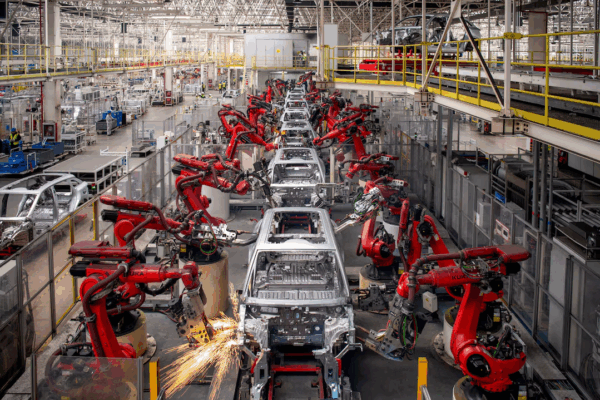
China’s industrial output and retail sales posted slower growth in April, reflecting mounting pressure from ongoing trade tensions with the United States. Despite the dip, analysts say the Chinese economy is demonstrating surprising resilience. According to data released Monday by China’s National Bureau of Statistics, industrial production grew 6.1% year-on-year in April—down from a 7.7% increase in March. Retail sales also slowed, rising 5.1% compared to 5.9% the previous month, and falling short of expectations. Forecasts had predicted weaker results, with Reuters projecting a 5.5% growth in factory output and Bloomberg forecasting 5.7%. Fixed-asset investment, which includes spending on infrastructure and property, rose 4% year-on-year, while the unemployment rate edged down slightly from 5.2% to 5.1%. The figures come after China’s economy grew 5.4% in the first quarter of the year, exceeding many analysts’ forecasts and fueling optimism about the country’s ability to weather external economic shocks, particularly U.S. tariffs. In a statement, the National Bureau of Statistics said the economy continued to show “new and positive development momentum,” thanks to Beijing’s targeted economic policies. However, it cautioned that “many unstable and uncertain factors” remain in the global environment, and emphasized the need for further efforts to consolidate the recovery. The data follows last week’s trade breakthrough between Washington and Beijing, where both sides agreed to sharply reduce tariffs for 90 days. Under the deal, the U.S. cut tariffs on Chinese goods from 145% to 30%, while China lowered its duties from 125% to 10%. Despite this temporary relief, concerns linger over the long-term impact of tariffs on global supply chains. “The risk is that tariffs remain in place for a long time, and eventually, we see production offshored,” said Lynn Song, chief economist for Greater China at ING. “But amid tariff unpredictability—not just for China but across the world—few companies will be rushing to commit resources to set up offshore manufacturing facilities.” “This could mean that a decent portion of China’s manufacturing and exports will be less impacted than originally feared,” Song added. The figures underscore the balancing act facing Chinese policymakers as they seek to stimulate domestic demand while navigating an increasingly uncertain global trade environment.

Read More