Kamal Yalwa

Federal High Court Denies Assassination Attempt on Justice Omotosho, Labels Viral Report as Fake

Federal High Court Denies Assassination Attempt on Justice Omotosho, Labels Viral Report as Fake

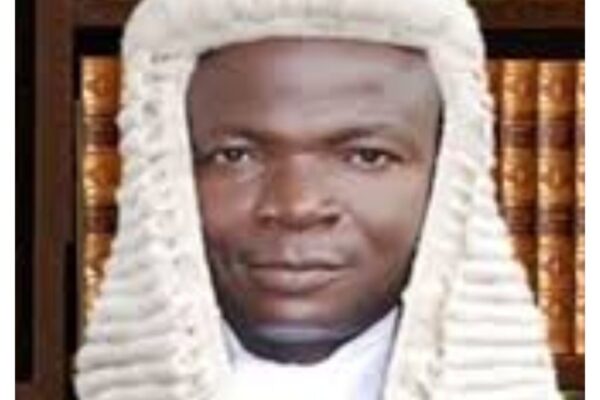
The Federal High Court has refuted a viral publication by an online platform, Celebrity Blogger, which claimed that Justice James Omotosho of the Abuja Division survived an assassination attempt following his judgment that resulted in the life sentence of Nnamdi Kanu. In an official rebuttal issued on Sunday, the court described the report as false, misleading, and entirely baseless, urging the public to disregard it in its entirety. According to the statement, the publication is considered a deliberate attempt to cause public panic, undermine confidence in the judiciary, and possibly intimidate judicial officers. “The said report is completely false and unfounded. The public is advised to treat this publication as fake news and refrain from further dissemination,” the court stated. The Federal High Court has also called on security agencies and relevant regulatory bodies to launch a comprehensive investigation into the source of the false report, with the aim of apprehending and prosecuting those responsible under Nigeria’s laws on cybercrime, defamation, and misinformation. Authorities say offenders found culpable will face the full weight of the law.

Read More

Adamawa Govt Converts All Boarding Schools to Day Schools Over Security Concerns

The Adamawa State Government has announced the immediate conversion of all boarding secondary schools to day schools in response to the growing security challenges facing the country. The directive was issued by the Honourable Commissioner for Education and Human Capital Development, Dr. Umar Garba Pella, who emphasized that the decision is necessary to safeguard students and staff across the state. In an official statement from the Ministry, Dr. Pella said the measure is temporary but crucial for ensuring the well-being of learners during this period of heightened insecurity. He added that school administrators, parents, and guardians are expected to comply without delay. “This directive is issued in the interest of the safety and well-being of all students and staff. Compliance is expected with immediate effect,” the statement read. The ministry pledged to continue monitoring the situation and will provide further updates as necessary.

Read More

Zelenskyy Says Ukraine Faces ‘Difficult Choice’ as Trump Pushes for Rapid End to War

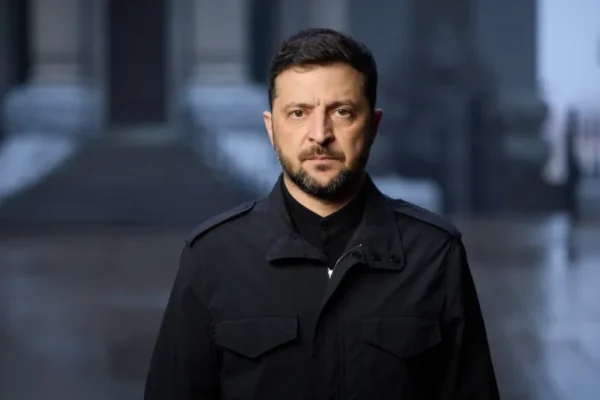
Kyiv weighs US plan seen as endorsing key Russian demands; European allies express concerns. Ukrainian President Volodymyr Zelenskyy has warned that Kyiv is approaching a defining moment in its war with Russia as it considers a United States peace proposal that critics say aligns closely with Moscow’s demands. Speaking on Friday in the street outside his presidential office, Zelenskyy urged national unity and insisted he would not betray Ukraine’s core values. “Now is one of the most difficult moments of our history,” he said. “Ukraine can face a very difficult choice — either losing dignity or risk losing a major partner. I will fight 24/7 to ensure that at least two points are not overlooked: the dignity and freedom of Ukrainians.” Trump Sets Deadline for Acceptance The statement comes as US President Donald Trump appears to be tightening pressure on Kyiv to accept his 28-point proposal to end the nearly four-year war. Trump told Fox News Radio on Friday that next Thursday was “an appropriate” deadline for Ukraine to accept the deal. Reuters, citing two people familiar with the matter, reported that the Trump administration has threatened to cut off intelligence support and weapons supplies if Kyiv refuses. According to multiple media reports, the US plan includes terms long demanded by Russia, such as: Ukraine ceding more territory Limits on the size of Ukraine’s military A ban on Ukrainian membership in NATO Lifting Western sanctions on Moscow Reintegration of Russia into the G8 Putin Calls Proposal ‘A New Version’ of Earlier Plans Russian President Vladimir Putin said Moscow had received the “modernised” US plan, calling it “a new version” of what was discussed earlier this year before the Alaska summit. He added that the text had not been negotiated directly with Russia, “and I can guess why,” noting that Washington has not yet secured Kyiv’s approval. “Ukraine is against it,” Putin said. “Apparently, Ukraine and its European allies are still under illusions of inflicting a strategic defeat on Russia on the battlefield.” Battlefield Pressures Intensify Ukraine is facing growing military challenges as Russian forces continue to make gains. At least 31 people were killed and 94 wounded in a Russian missile strike on an apartment block in the western city of Ternopil earlier this week. The Kremlin claimed that 5,000 Ukrainian soldiers were trapped on the eastern bank of the Oskil River in Kharkiv region — a claim Kyiv has not commented on. Fighting continues around the eastern cities of Pokrovsk and Myrnohrad, with Russian advances also reported in Zaporizhzhia. Kremlin spokesman Dmitry Peskov said battlefield gains should convince Zelenskyy that “it is better to negotiate now rather than later,” adding that “the space for freedom of decision-making is shrinking” as Ukraine loses territory. Jim Townsend, former US Deputy Assistant Secretary of Defense for Europe and NATO, told Al Jazeera that Ukraine faces increasing pressure. “If the US pulls back and says, ‘If you’re not going to agree to this, we won’t support you,’ then Zelenskyy will be under tremendous pressure to accept — no matter how hard it feels,” he said. European Leaders Push Back, Call for ‘Just Peace’ Key European leaders — French President Emmanuel Macron, UK Prime Minister Keir Starmer, and German Chancellor Friedrich Merz — held talks with Zelenskyy on Friday.They welcomed US efforts but stressed that any peace must protect European and Ukrainian security interests. In a joint message, they reiterated their “unwavering and full support for Ukraine” and its path toward a “lasting and just peace.” EU foreign policy chief Kaja Kallas warned of the dangers of accepting a deal dictated by Russian aggression. “We all want this war to end, but how it ends matters,” she said. “Russia has no legal right whatsoever to concessions from the country it invaded.” Reporting from Berlin, Al Jazeera’s Dominic Kane noted that while Europe is presenting a united front, its leaders are unlikely to determine the final terms. “Ultimately, the capitals where everything will be decided are Moscow, Kyiv, and Washington,” he said.

Read More

Nigeria FG Exceeds 2025 Borrowing by 55.6%, Debt Levels Expected to Hit 80% by Year-End

Nigeria’s rising debt profile has once again come under scrutiny as the Federal Government exceeded its 2025 borrowing target by 55.6 percent, sparking concerns over worsening fiscal instability and mounting economic risks. A separate Weekend Trust investigation, titled “Where is the money?”, also questioned the federal government’s management of public funds, highlighting growing worries about transparency and accountability. A Disturbing Financial Trend According to analysts, the FG’s excessive borrowing did not come as a surprise, but the scale of the overrun has triggered alarm among economists and citizens alike. The situation has fueled debates on whether the benefits of subsidy removal and currency devaluation are being siphoned off by a privileged few or wasted on projects with little economic value. Long History of Fiscal Irresponsibility Nigeria’s leadership at both federal and state levels has long been criticised for short-term economic planning focused on election cycles rather than sustainable development. In a previously published analysis, alarming debt figures from the Debt Management Office (DMO) revealed the scale of the crisis: Nigeria’s public debt rose to ₦121.67 trillion as of March 31, 2024, up from ₦97.34 trillion in December 2023. This means the country added ₦24.33 trillion in just three months. The country’s growing addiction to borrowing has been compared to a drug dependency, with successive administrations relying on loans rather than revenue reforms or fiscal discipline. From Obasanjo to Buhari to Tinubu: The Debt Cycle Deepens Since Nigeria’s early debts under the Obasanjo military regime, successive governments have struggled to reduce borrowing. Even periods of high oil prices—such as 2010 to 2013—were marked by waste and expanded debt portfolios. By 2015, Nigeria’s children were already burdened with heavy debts. Under Buhari, future generations—grandchildren and great-grandchildren—were also drawn into the debt trap. Tinubu’s administration, critics argue, is accelerating the trend rather than reversing it. Eurobond Rush Raises More Questions Recently, Nigeria issued a $2.35bn Eurobond, which was oversubscribed by 400 percent. Government officials claimed the oversubscription reflected investor confidence, but analysts argue otherwise: The bonds carry high interest rates of 9.25% and 10.375%, nearly double what developed economies pay. Investors are reportedly attracted by unusually high returns—not trust in Nigeria’s economy. This means Nigeria will be repaying hefty interest for years, long after the current administration leaves office. Who Will Stop the Borrowing? Economists warn that governments rarely stop borrowing voluntarily. When debt becomes unsustainable, external bodies such as the IMF or the United States may be forced to intervene—often imposing harsh conditions. Argentina’s experience offers a cautionary tale: once lenders take control, national sovereignty becomes compromised. The Big Question: Where Is the Money? Despite record borrowing, increased taxes, and savings from subsidy removal, Nigerians say they feel no real impact in their daily lives. Public infrastructure remains weak, inflation remains high, and essential services are under enormous strain. This has left one burning question at the centre of national debate:Where exactly is the money going?

Read More

LIVE UPDATE: 14 Killed in Israeli Air Attacks in Lebanon as Strikes Continue in Gaza

At least 14 people have been killed in a series of Israeli air attacks across southern Lebanon and the Gaza Strip, as cross-border violence continues to intensify despite international calls for restraint. In southern Lebanon, an Israeli strike targeting a vehicle killed one person and left several others injured. This comes a day after another Israeli attack on a Palestinian refugee camp in the region killed at least 13 people, according to local authorities. Meanwhile, in Gaza, Israel’s military launched multiple air raids on Rafah and Khan Younis overnight, hitting several residential areas. Gaza’s Government Media Office says Israel has violated the latest ceasefire agreement 393 times, killing 279 people and injuring 652 in those incidents alone. The wider Israeli offensive on Gaza, ongoing since October 2023, has killed at least 69,483 Palestinians and wounded 170,706. The war began following the Hamas-led attacks on Israel on October 7, 2023, which left 1,139 people dead and around 200 others taken captive. The situation remains volatile as regional tensions rise and diplomatic efforts struggle to halt the escalating violence.

Read More

FG Backs 30% Youth Quota Bill, Pledges Full Support for Youth-Friendly Governance Agenda

The Federal Government has declared full support for the proposed Youth Quota in Parliament Bill, which seeks to reserve 30 percent of parliamentary seats for young Nigerians aged 25 to 35, including women and persons with disabilities. The Minister of Youth Development, Comrade Olawande Ayodele, announced the government’s backing while joining ongoing advocacy efforts for the bill. He affirmed his commitment to collaborate with campaigners, amplify the initiative, and ensure that young people’s voices are adequately represented in the nation’s constitution. The bill, sponsored by Hon. Olamijuwonlo Alao Akala, Chairman of the House Committee on Youth, passed its first reading in the National Assembly on November 12. The minister noted that President Bola Ahmed Tinubu’s administration has already set a strong precedent for youth inclusion by appointing more young Nigerians into government roles than any previous administration. “The present administration has reassured that quota for youth is part of its policy agenda,” he said, expressing confidence in the bill’s successful passage. He commended the advocacy team led by Hon. Blessing Oyefeso, President of Nigeria Youths in Politics and Team Lead for the Youth Quota in Parliament Bill Advocacy, praising their dedication to advancing youth participation in governance. According to him, the government’s commitment to working with youth-led groups marks a significant milestone in strengthening democratic inclusion. The Youth Quota in Parliament Bill is considered a major step toward empowering young Nigerians and expanding their participation in national decision-making and governance.

Read More

Trump Hosts Saudi Arabia’s Crown Prince Mohammed bin Salman — 5 Key Takeaways From High-Profile White House Meeting

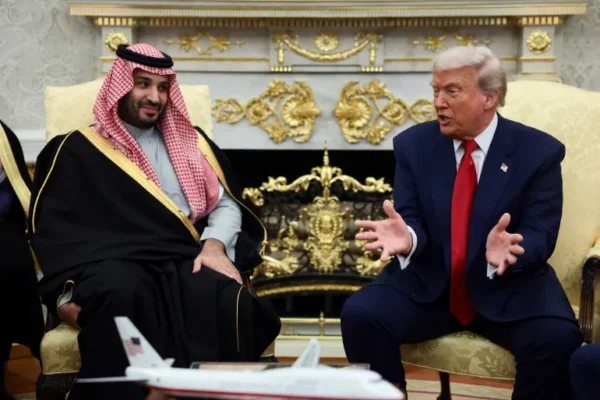
November 19, 2025 United States President Donald Trump on Tuesday hosted Saudi Arabia’s Crown Prince Mohammed bin Salman (MBS) at the White House, marking one of the most elaborate state welcomes of his administration and signalling a new phase in US–Saudi relations. MBS, who arrived through the South Portico, was received with marching bands, flag-bearing horsemen and a military flyover—an extravagant display underscoring Washington’s deepening ties with Riyadh. Both leaders later met journalists in the Oval Office, highlighting cooperation in security, investment, technology and Middle East diplomacy. Below are the key highlights from the meeting: 1. Progress on Possible Saudi–Israel Normalisation Trump and MBS confirmed they held “good talks” on Saudi Arabia potentially joining the Abraham Accords. While no timeline was given, the crown prince reiterated Riyadh’s long-standing position: any agreement must include a clear path to a Palestinian state. “We want to be sure we secure a clear path to a two-state solution,” MBS said. 2. US Grants Saudi Arabia ‘Major Non-NATO Ally’ Status At a black-tie dinner, Trump formally recognised Saudi Arabia as a major non-NATO ally, joining 19 other nations with privileged access to US military equipment. Both countries also signed a new strategic defence agreement, with the White House stating it will strengthen deterrence in the Middle East and secure increased Saudi contributions to shared security costs. Trump further confirmed he will approve the sale of F-35 fighter jets to the kingdom. 3. Trump Says Iran Wants a Deal While boasting about US strikes on Iran’s nuclear facilities earlier in the year, Trump also adopted a softer tone, suggesting Tehran now seeks diplomacy. “I am totally open to it,” he said. MBS told reporters Saudi Arabia would support a US–Iran agreement “that satisfies the region and the world”. 4. Saudi Arabia Set to Invest Up to $1 Trillion in the US Trump thanked the crown prince for what he described as $600 billion to $1 trillion in new Saudi investments into the US economy, spanning technology, artificial intelligence, rare minerals and manufacturing. MBS echoed this, saying the kingdom wants to anchor its economic transformation around emerging American technologies. 5. Warmth, Praise and Political Messaging The meeting was marked by unusually warm exchanges. Trump described MBS as “fantastic” and “brilliant”, even grabbing his hand while mocking former President Joe Biden’s fist-bump meeting with the crown prince in 2021. The optics underscored the administration’s view of Saudi Arabia not only as a strategic partner but also as a central pillar of its Middle East policy. What It Means The high-profile meeting signals: – A revived push for Saudi–Israel normalisation – Deeper defence and security alignment – Massive economic ties and tech partnerships – Potential diplomatic openings with Iran With Trump and MBS projecting unity and ambition, Washington and Riyadh appear poised for one of the closest bilateral partnerships in decades.

Read More

UK Government Steps Up Crackdown More Than 11,ooo Illegal Workers With Surge in Raids

The UK government has intensified its crackdown on illegal employment, with new data revealing more than 11,000 immigration raids on takeaways, beauty salons, and car washes between October 2024 and September 2025 — a 51% increase on the previous year. The surge in operations comes as ministers move to tighten right-to-work checks and penalise employers who fail to verify staff eligibility. A six-week consultation has been launched to expand these checks to include casual and subcontracted workers, closing loopholes that allow some employers to bypass current requirements. Under the proposed reforms, employers who hire illegal workers could face up to five years in prison or fines of £6,000 per illegal employee. Currently, right-to-work checks apply only to companies with formal employment contracts. Home Secretary Shabana Mahmood said the government’s actions under “Operation Sterling” aim to deter illegal migration and exploitation in low-wage industries. “Illegal working creates an incentive for people attempting to arrive in this country illegally. No more. Those found to be illegally working in beauty salons, car washes, and as delivery drivers will be arrested, detained, and removed from this country,” she said. The government has also invested £5m into immigration enforcement to counter what officials describe as a “pull factor” created by lax employment oversight in the gig economy. The initiative follows reports of asylum seekers using rented delivery driver accounts to work illegally for companies such as Deliveroo, Uber Eats, and Just Eat. Earlier this year, Shadow Home Secretary Chris Philp claimed to have uncovered “clear evidence of illegal working” during a surprise visit to an asylum hotel. The companies involved have since pledged to improve their monitoring systems, and in July, the Home Office reached an agreement with them to share data and identify misuse patterns. The government has also begun providing the locations of asylum hotels to delivery platforms to help track and prevent unauthorised employment. Officials say the partnership marks a significant step toward reducing abuse within the gig economy. Meanwhile, fresh figures show that more migrants have crossed the English Channel in 2025 than in the whole of 2024, with over 36,816 arrivals recorded so far this year — underscoring the mounting pressure on the UK’s border enforcement system.

Read More