
Aliko Dangote Announces Nationwide Petrol Price Reduction to ₦739 Per Litre

Aliko Dangote, Founder and President of Dangote Group, has announced that petrol prices will drop to ₦739 per litre across Nigeria, with the initial implementation set for MRS stations in Lagos starting Tuesday.
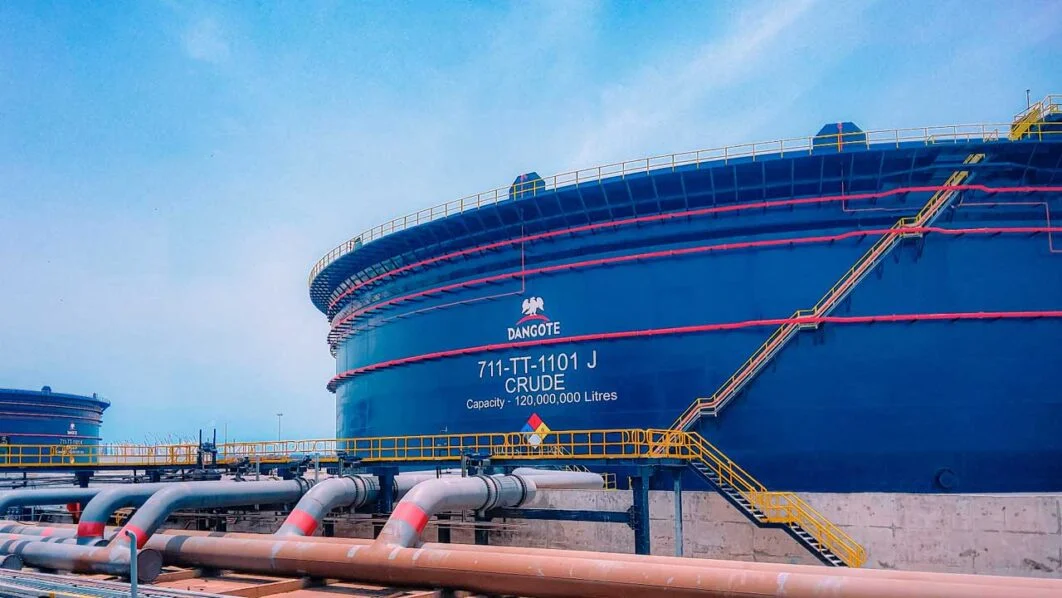
At a press briefing at the Lekki Refinery on Sunday, Dangote revealed that the refinery had earlier reduced its gantry price from ₦828 to ₦699 per litre. He assured the public that the new ₦739 per litre pump price would be strictly enforced and criticised attempts to manipulate fuel prices.
“From Tuesday, MRS will sell petrol at ₦739 per litre. We will ensure this price is implemented. Anyone with trucks can purchase at ₦699. Those trying to maintain high prices to sabotage the government, we will resist. ₦970 per litre is not acceptable,” Dangote told journalists.
He noted that some filling stations were deliberately keeping prices high despite the reduction. “I was told marketers were advised to maintain high prices, but with this initiative at MRS stations, particularly in Lagos, the ₦970 per litre rate will no longer exist,” he said.
Dangote encouraged members of the Independent Petroleum Marketers Association of Nigeria (IPMAN) and other buyers to purchase fuel at the lower gantry price. “We have invited anyone who can buy 10 trucks to do so at ₦699. Using all available resources, we aim to reduce prices nationwide. Within a week to 10 days, delivery will be possible, and for December and January, petrol should not sell above ₦740 per litre,” he added.
He also questioned the steep pump prices, pointing out that transporting petrol from the refinery costs no more than ₦15 per litre. “Freight within Lagos is only ₦10 to ₦15, which should bring the price to about ₦715. Selling at ₦900 is unjustifiable. Consumers should get the real price,” he said.
Dangote further criticised the Nigerian Midstream and Downstream Petroleum Regulatory Authority (NMDPRA) for issuing 47 import licences for over 7.5 billion litres of petrol for the first quarter of 2026, arguing that it discourages local investment and threatens modular refineries. “These modular refineries are nearly collapsing, and none of them is profitable,” he warned.