
Rapper, Balendra Shah Set To Become Nepal’s Prime Minister After Election Landslide
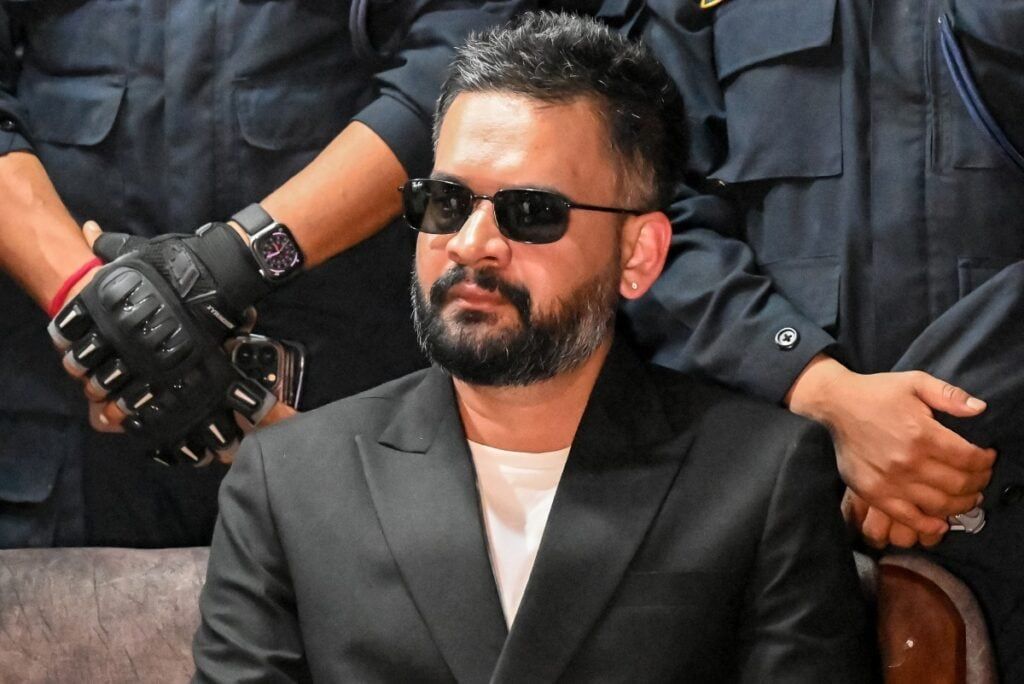
Nepal is close to completing the counting of votes from its parliamentary elections, with about two percent of ballots still left to be tallied. Early results indicate that the centrist Rastriya Swatantra Party (RSP), led by rapper-turned-politician Balendra Shah, is heading for a sweeping victory.
Shah, 35, who rose to prominence after serving as mayor of the capital city, Kathmandu, is now widely expected to become Nepal’s next prime minister, marking one of the most remarkable political turnarounds in the country’s recent history.
The March 5 election was the first national vote since youth-led anti-corruption protests last September turned violent and forced the collapse of the previous government.
In a major upset, Shah defeated former four-time prime minister KP Sharma Oli in his own constituency. Oli’s Marxist-led government had been removed during the unrest last year.
Throughout the campaign period, videos showing voters mimicking Shah’s dance moves went viral on social media, adding to his unconventional but popular campaign style.
The election was held to fill the 275 seats in Nepal’s House of Representatives, the lower chamber of parliament. Of these, 165 members are elected directly while the remaining 110 are chosen through proportional representation.
Official results show that RSP secured 125 out of the 165 seats decided through direct voting. In the proportional representation category, the party also holds the largest share of votes, with about 200,000 ballots yet to be counted.
“We are close to finishing the counting now,” Election Commission spokesman Narayan Prasad Bhattarai told AFP. “We will have the final number of PR seats soon.”
If the current trend holds, RSP could win around 176 seats in total, giving it a strong majority but still slightly short of the 183 seats required for a supermajority in parliament. Final seat allocations may still shift slightly depending on how votes for smaller parties that fail to reach the required threshold are handled.
According to constitutional law expert Bipin Adhikari, Nepal may still need more than a week before a new prime minister is officially appointed.
“Once the commission submits its report to the president, he will call on RSP lawmakers to name the prime ministerial candidate. Only after that will his appointment take place,” said Adhikari, a professor at Kathmandu University.
Meanwhile, Nepali Congress, the largest party in the previous parliament, won 18 seats in the direct elections, while the Marxist party led by Oli secured nine seats.