Peter Obi Warns Nigeria Against Tax Policies That Make Citizens Poorer
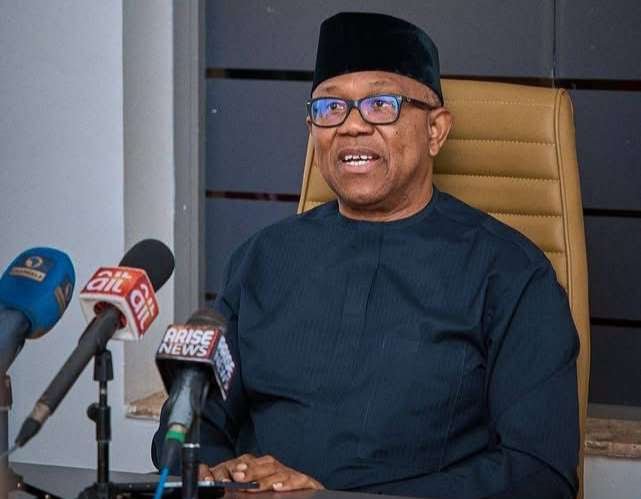
Former Anambra State Governor Peter Obi has cautioned that Nigeria may worsen hardship and weaken national unity by adopting tax policies that place heavier burdens on an already struggling population.
In a statement shared on X, Obi said genuine economic progress cannot be achieved through measures that make citizens poorer, stressing that growth must be anchored on trust, honesty, and productivity. He warned that policies which erode people’s wellbeing ultimately damage the social contract between government and citizens.
Drawing from his interactions with leaders across different countries, Obi noted that nations which achieved lasting transformation did so by uniting their people around a shared vision rooted in truth. He argued that leadership without honesty destroys consensus and weakens the foundations of development.
He said taxation should operate as a true social contract built on fairness, sincerity, and concern for citizens’ welfare, adding that tax policies must be clearly explained, including their impact on incomes and how revenues are used for national development. According to him, without transparency, taxation becomes a burden rather than a tool for growth.
Obi maintained that Nigeria’s fiscal challenge is not just about increasing revenue but about making citizens wealthier so the country itself can grow stronger. He said Nigerians are being asked to pay higher taxes without clarity, accountability, or visible public benefits.
He identified the empowerment of small and medium-sized enterprises as the starting point for sustainable economic growth, noting that thriving small businesses create jobs, raise incomes, and naturally broaden the tax base.
The former governor also expressed concern over what he described as an unprecedented tax fraud controversy, alleging that a tax law currently being enforced is not the same version passed by the National Assembly. He said reports indicate that lawmakers themselves have acknowledged discrepancies between what was approved and what was eventually gazetted.
Obi warned against celebrating increased government revenue while citizens become poorer, describing such outcomes as a failure of governance rather than success. He argued that taxing poverty does not create wealth but instead deepens hardship.
He called for a fair, lawful, and people-centred tax system that supports production, rewards enterprise, protects the vulnerable, and restores trust between the government and the people, saying only such an approach can turn taxation into a true instrument for unity, growth, and shared prosperity.