House of Representatives Forms Committee to Investigate Tax Law Discrepancies
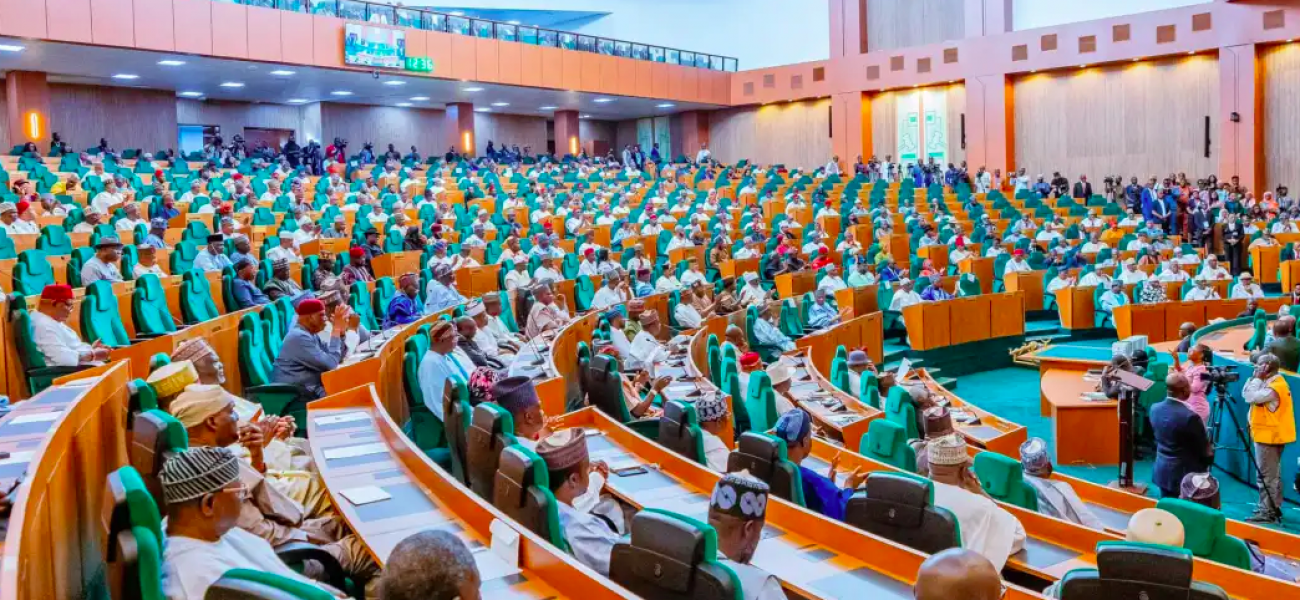
The House of Representatives has established a seven-member ad-hoc committee to investigate alleged inconsistencies between tax bills passed by lawmakers and the versions later assented to and officially gazetted.
The move followed a Point of Privilege raised by Sokoto State lawmaker Abdulsammad Dasuki, who claimed the publicly released tax laws did not reflect what the National Assembly had approved.
The committee will be chaired by Muktar Aliyu Betara, Chairman of the House Committee on Appropriations, with members including former Deputy Speaker Ahmed Idris Wase, Sada Soli, James Abiodun Faleke, Fred Agbedi, Babajimi Benson, and Iduma Igariwey.
Its mandate is to examine the legislative process leading to the gazetting of the tax laws and determine whether the final documents differ from those passed by both chambers.
Dasuki, speaking under Order Six, Rule Two of the House Rules, said his legislative privilege had been breached. He revealed that after reviewing the gazetted copies alongside the Votes and Proceedings and the harmonised versions approved by both chambers, he found discrepancies.
“I was here, I gave my vote and it was counted, and I am seeing something completely different,” Dasuki said. He added that copies obtained from the Ministry of Information did not match what had been approved by the House and Senate.
He stressed that his intervention was aimed at highlighting a serious breach of legislative procedure and constitutional provisions. Dasuki called on the Speaker to ensure that all relevant documents—the harmonised versions, Votes and Proceedings, and gazetted copies—are made available for scrutiny by all lawmakers.
He warned that allowing laws different from those passed by the National Assembly to circulate would undermine legislative integrity.
Speaker Tajudeen Abbas acknowledged Dasuki’s concerns and assured the House that appropriate action would be taken. The ad-hoc committee is expected to provide clarity on the matter and safeguard the legislative process.