Senate Raises Alarm Over Ogijo Lead-Poisoning Crisis
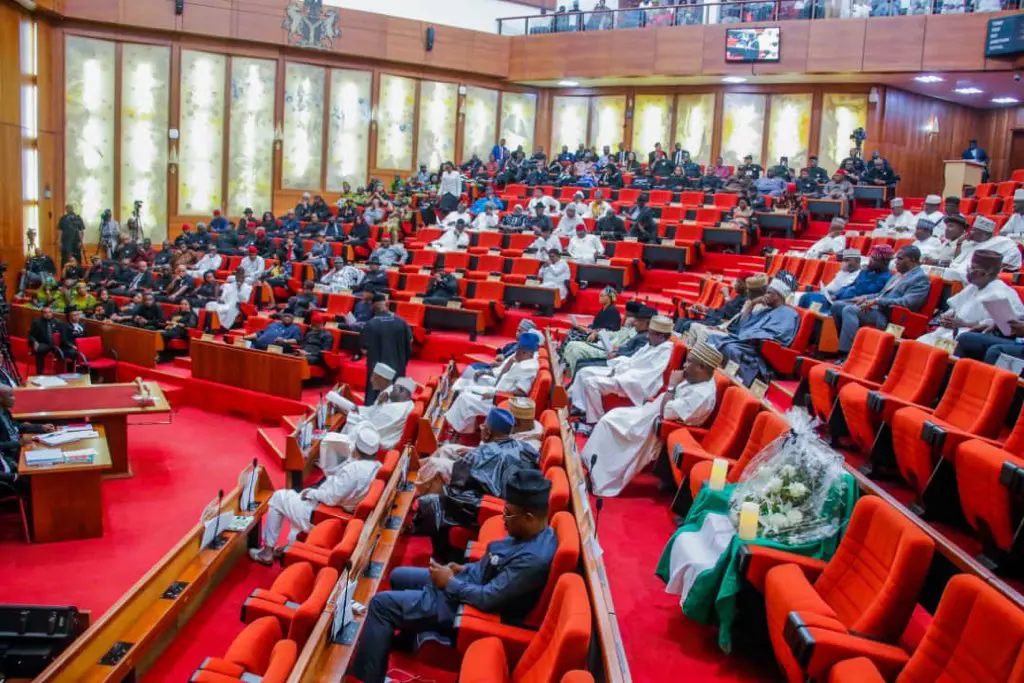
The Senate has raised serious concerns over a rapidly worsening lead-poisoning crisis in Ogijo, a densely populated community on the border of Ikorodu, Lagos, and Ogun East Senatorial District. Lawmakers described the situation as a severe environmental and public-health emergency threatening thousands of lives.
The motion, jointly sponsored by Senators Mukhail Adetokunbo Abiru (Lagos East) and Gbenga Daniel (Ogun East), was brought under Matters of Urgent Public Importance, citing Orders 41 and 51 of the Senate Standing Orders, 2023 (as amended).
Senators highlighted verified reports showing extreme lead contamination from multiple used lead-acid battery recycling factories that have operated in the area for years. Residents have reportedly suffered persistent headaches, abdominal pain, memory loss, seizures, and developmental delays in children—symptoms associated with chronic lead exposure.
The chamber noted that the Federal Government has already begun intervention. The Minister of State for Labour and Employment, Nkeiruka Onyejeocha, shut down seven battery-recycling factories and temporarily halted lead-ingot exports pending safety investigations.
Lawmakers expressed concern that despite years of community complaints, the factories continued operating, releasing toxic fumes and dust into homes, markets, and playgrounds. “It is regrettable that smelter furnaces continued discharging toxic fumes directly into surrounding neighborhoods. While some factory operators deny wrongdoing, community exposure remains extreme,” the Senate said.
The chamber commended the proactive efforts of Lagos and Ogun State governments, including early inspections, public-awareness campaigns, and collaboration with federal authorities. Independent tests commissioned by The Examination and The New York Times confirmed severe contamination in residents’ blood samples and surrounding soil, with some soil showing lead levels up to 186 times the global safety limit.
Senators also expressed alarm that lead processed in Ogijo has already entered international supply chains, reaching global battery and automobile manufacturers who either ignored the findings or relied on assurances from Nigerian suppliers.
Citing Sections 14(2)(b) and 20 of the 1999 Constitution, the Senate emphasized the government’s responsibility to protect citizens’ welfare and ensure a safe environment.
Following deliberations, the Senate resolved to commend the Federal Government and Lagos and Ogun state governments for their swift actions in shutting down non-compliant factories. Lawmakers called for continued enforcement, including factory closures, export suspensions, prosecution of violators, and strengthened industrial safety monitoring.
The chamber directed the Federal Ministry of Health and the Nigeria Centre for Disease Control (NCDC) to deploy emergency medical teams to Ogijo to provide free toxicology screenings, blood-lead management, chelation therapy, and ongoing treatment for affected residents. The Federal Ministry of Environment and NESREA were instructed to carry out comprehensive environmental remediation, mapping soil, groundwater, air, and household dust contamination.
The Senate also mandated the Federal Ministry of Solid Minerals and relevant regulatory agencies to enforce strict compliance standards for battery-recycling and lead-processing operations nationwide. It further recommended establishing a National Lead Poisoning Response and Remediation Task Force under NEMA and directed the Committee on Legislative Compliance to monitor progress and report back within six weeks.
Describing the Ogijo crisis as a preventable tragedy, the Senate called on the nation to treat it as a wake-up call on industrial pollution, regulatory lapses, and the urgent need to protect vulnerable communities from hazardous waste.