FG Warns ASUU Against Strike, Vows To Enforce No Work No Pay Policy

FG Warns ASUU Against Strike, Vows To Enforce No Work No Pay Policy

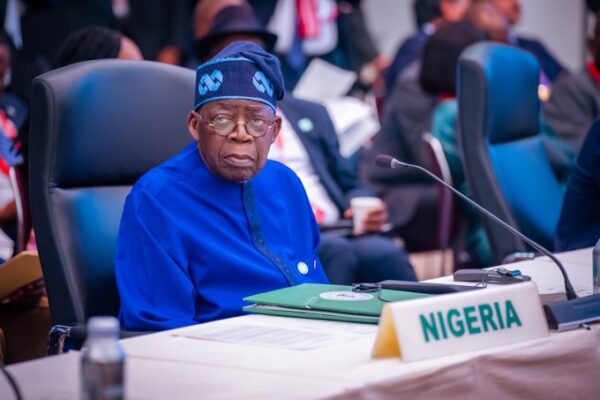
The Federal Government has warned the Academic Staff Union of Universities (ASUU) against proceeding with its planned strike, insisting it will implement the “no work, no pay” policy if academic activities are affected. In a joint statement released on Sunday, the Minister of Education, Maruf Tunji Alausa, and the Minister of State for Education, Suwaiba Sai’d Ahmed, said the government remains committed to addressing the union’s grievances through continued dialogue. “The Federal Government has shown sincerity, patience, and goodwill in its engagement with the Union,” the statement read. According to the ministers, most of ASUU’s key demands, including increased teaching allowances and improved welfare conditions, have already been met. They added that other pending issues are now under the purview of the newly reconstituted university governing councils. “Despite these efforts, ASUU’s decision to go on strike does not demonstrate fairness to students or the public,” the statement continued. Reiterating the Tinubu administration’s commitment to sustaining stability in the education sector under the Renewed Hope Agenda, the ministers noted that the “no work, no pay” policy remains an active labour law that will be enforced if classes are halted. They urged ASUU to reconsider its position and return to discussions, emphasizing that “the government remains open to dialogue at all levels to prevent further disruption in the nation’s universities.”  

Read More

UK-Based Designer, Remi Isaac: “Fashion Can Drive Revenue and Boost Nigeria’s Global Image Like Afrobeats”

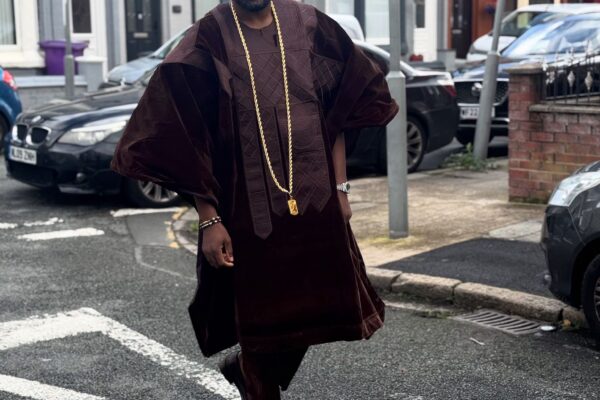
Oluwaseun Odewole , professionally known as Remi Isaac, is one of the rising voices in Nigeria’s fashion scene. Although now based in the United Kingdom, his creative roots, inspiration, and design philosophy remain deeply tied to Nigeria. In this interview, he speaks about his journey, the challenges of building a brand abroad, and why he believes the fashion industry can become a powerful economic driver for Nigeria—just like Afrobeats. ⸻ Can you take us back to the beginning of your journey in fashion? What inspired you to choose this path? “Fashion, for me, started from curiosity and a genuine desire to always look good. I’ve always believed that appearance speaks before you do—people judge you by how you present yourself. Looking good isn’t just about style; it’s a strategy. My family has always supported my passion for fashion. I studied different designers from afar until I officially began my journey in 2019, after meeting Ife Akinwumi, Creative Director of Hiphe Davids “Chattered Tailor”. Under his mentorship, I took a four-month crash course in executive fashion design. With his guidance, I launched my brand, Remi Isaac—a blend of Yoruba and English names that reflects a global yet rooted identity. My close friend Wale Tanimowo designed the logo, It was important that it conveyed creativity beyond tailoring. That’s how the Remi Isaac brand was born.” ⸻ You’re now based in the UK. How has relocating influenced your creativity, and what challenges have you faced as a Nigerian designer abroad? “It’s been tough—relocating to the UK wasn’t easy. When I first arrived about three years ago and told people I was a tailor, the reactions were often limiting: “Do you do alterations?” or “Can I give you Ankara?” or “Hope you’re not too expensive?” Among Nigerians especially, there’s still a mindset that reduces tailoring to something small or basic. Many don’t see the creativity behind it—they see the tailor, not the brand. I’ve always tried to change that perception. Another major challenge has been building trust. As an emerging designer, people often undervalue your work or try to underprice you, even when your quality rivals—or surpasses—bigger brands. I’ve sometimes told new clients, “Don’t pay me upfront. I’ll make the outfit, send it to you, and if you’re not happy, return it.” That confidence often changes their perception immediately. Gradually, we’ve broken those barriers through consistency, quality, and integrity. We don’t compromise on fabric or finishing, and that’s what keeps customers coming back. Some UK clients have even told us they bought expensive clothes from other designers that didn’t match our quality. That, for me, is the biggest compliment.” ⸻ Do you think the Nigerian government is doing enough to support the fashion industry, especially for designers in the diaspora? “Honestly, I don’t think the Nigerian government understands the creative industry as much as it believes it does. If it did, we’d see more deliberate policies to support it—because that’s the future. Fashion shouldn’t be left out. Designers are already contributing to the Nigerian economy through exports. For instance, I ship products in and out of Nigeria every month to the UK. That’s direct economic activity contributing to GDP. If the government truly wants to make Nigeria a global player, it must invest in the creative sector, especially textiles. Most of our fabrics—even Ankara—are imported from China, Turkey, or Italy. Imagine the impact if we had at least six well-equipped textile factories in Nigeria. That alone would transform the industry.” ⸻ What kind of government policies or initiatives would you like to see for the fashion sector? “Policies must be tailored to the industry’s real needs. The government should sit down with leading designers in Lagos, Abuja, and Port Harcourt—listen to them, understand their challenges, and co-create solutions. Those at the top already know what the sector needs: better textile production, access to financing, export support, and vocational training. If policymakers engage these professionals, they’ll get a clear roadmap for sustainable industry growth.” ⸻ Where do you see Nigerian fashion in the next five to ten years? “Nigerian fashion is on the verge of a global breakthrough—just like Afrobeats. In ten years, it will be one of our strongest cultural exports. Nigerian designers are passionate, hardworking, and committed to quality. Fashion will soon become one of the key contributors to Nigeria’s positive global image. The creativity, energy, and authenticity we bring are unmatched.” ⸻ Where do you see the Remi Isaac brand in five years? “Remi Isaac is still a young brand, but the vision is global. We already ship to clients across different continents, and the goal is to have physical stores around the world. We recently updated our branding to include “Remi Isaac — Made in Nigeria.” Every label and tag now proudly carries that message. It’s our way of promoting Nigeria’s image through fashion—showing the world that excellence can be made in Nigeria.” ⸻ How do you attract and retain young, passionate designers in your team? “At the moment, my team is small. I focus more on creative direction, while my manager—who started as a tailor—handles a lot of the online and operational aspects. To attract good people, you must first show love and sincerity. Treat your team like family, not just employees. When they see that you genuinely care about them, they’ll give you their best.” ⸻ What advice would you give to young Nigerians entering the fashion industry? “Find a mentor. Mentorship is key—it helps you navigate challenges you can’t foresee on your own. Beyond that, stay consistent, persistent, and passionate. Without passion, you won’t survive the long journey.”  ⸻ How important is technology in your design process? ” “Technology is everything. From graphic design to digital embroidery, tech makes work faster, smarter, and more innovative. We live in a digital age—if you don’t adapt, you’ll be left behind. I’m constantly learning, researching, and keeping my mind open to new methods. Staying dynamic keeps creativity alive.” ⸻ Do you incorporate Nigerian fabrics like Aso Oke or Ankara in…


Read More

Katsina Government Opens Peace Talks With Bandits in Troubled Communities

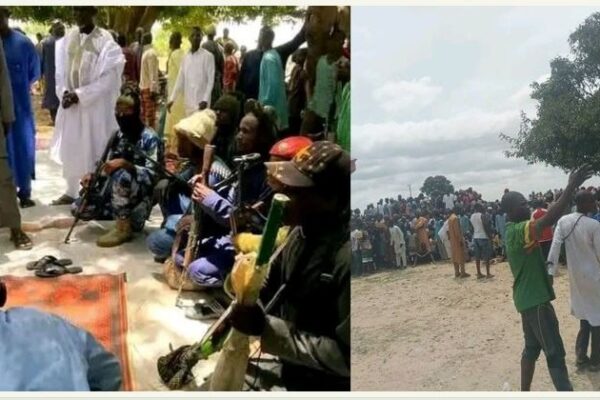
The Katsina State Government has initiated a peace dialogue with armed bandits in Kakumi town, Bakori Local Government Area, as part of renewed efforts to restore lasting peace in the state’s violence-hit regions. The meeting, which began on Sunday, reportedly brought together representatives from at least five local government areas — Bakori, Kankara, Funtua, Kafur, and Malumfashi — all of which have suffered repeated bandit attacks in recent years. According to local sources, the dialogue aims to broker a ceasefire and secure commitments from the armed groups to end hostilities in affected communities. However, details of the discussions remain sketchy as of press time. Katsina, one of the states most affected by banditry in northwest Nigeria, has in the past experimented with peace initiatives that produced mixed results. Earlier reports by SaharaReporters indicated that despite failing to renounce their criminal activities or surrender their weapons after a previous peace agreement, the Chairman of Sabuwa Local Government Area, Engr. Sagir Tanimu, recently attended the wedding of children belonging to some of the bandits. The ceremony, held in Kadawan Dandume village — a community recently reconciled with local authorities after years of clashes — was reportedly part of the state’s ongoing reconciliation efforts with armed groups. Tanimu was said to have attended the event alongside Alhaji Ibrahim Bello Kogo, the Prince of Kogo Emirate, and the District Head of Sabuwa. While the government continues to explore dialogue as a pathway to peace, residents insist that true reconciliation can only be achieved when the armed groups formally renounce violence and surrender their weapons.

Read More

Opposition Leader Patrick Herminie Wins Seychelles Presidential Run-off

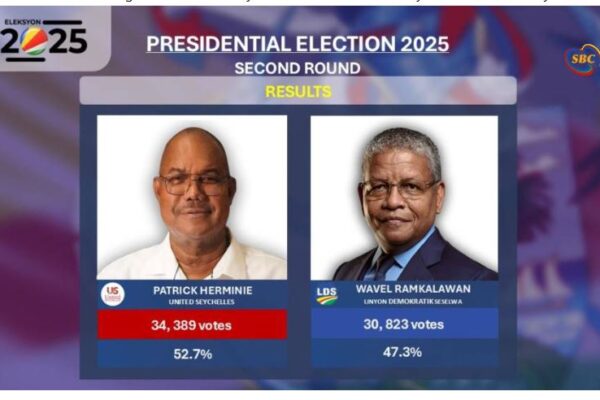
Opposition leader Patrick Herminie has emerged victorious in the Seychelles presidential run-off election, securing 52.7% of the vote against incumbent Wavel Ramkalawan, who garnered 47.3%, according to the country’s electoral commission. Ramkalawan has conceded defeat, paving the way for Herminie to become the 6th president of Seychelles. In his victory speech, Herminie pledged to reduce the cost of living, improve public services, and govern inclusively for all Seychellois. A medical doctor and former head of the national anti-drug agency, Herminie said combating the country’s growing heroin addiction crisis will be among his top priorities. His party, United Seychelles, also secured 15 out of 26 parliamentary seats in last month’s legislative elections, strengthening his mandate to implement reforms. The campaign was heavily influenced by public anger over a 70-year lease of Assumption Island for a Qatar-backed luxury resort near the protected Aldabra Atoll, a UNESCO World Heritage site. Herminie has vowed to cancel the controversial deal and accused Qatari entities of attempting to interfere in the election process. With his victory, Seychelles enters a new political chapter as Herminie takes on the challenge of uniting a divided nation and steering the island country toward economic stability and social recovery.

Read More

Two Years On: Why Poor Nigerians Are Yet to Feel the Impact of Tinubu’s Bold Reforms

The presidency continues to insist that its bold reforms are visible, but many Nigerians are asking why the poor are not reaping the benefits of President Bola Tinubu’s policies after two years in office. Tinubu’s administration has consistently described its policies as “bold reforms” aimed at stabilizing and rebuilding the economy. These include the removal of fuel subsidy, the unification of the foreign exchange market, tax and revenue reforms, fiscal discipline, debt management initiatives, and an emphasis on promoting investment and infrastructure. However, the benefits of these measures have not been felt by poor and working-class Nigerians for several reasons. First, many of Tinubu’s economic policies, especially the fuel subsidy removal and foreign exchange liberalization, were expected to cause short-term hardship before producing long-term gains. Unfortunately, after two years, inflation remains above 30 percent, food prices are even higher, and wages have not kept up. The so-called long-term benefits are still out of reach for millions living in poverty. Another major issue is the weakness of social safety nets. Although the government announced cash transfer and palliative programs to cushion the effect of reforms, implementation has been inconsistent and often poorly targeted. Many vulnerable Nigerians, for whom these policies were meant to provide relief, have not received any meaningful support. Without a strong social welfare system, the reforms appear more punitive than protective. The instability of the naira has also worsened living conditions. The currency devaluation, which was intended to attract foreign investment and unify exchange rates, has instead caused a surge in import costs. This has eroded the purchasing power of households, as businesses transfer higher costs to consumers. Moreover, the expected boost in productivity has not materialized. Local industries continue to struggle with power shortages, expensive imports, and high borrowing rates. Without significant growth in the productive sectors of the economy, the reforms have not translated into job creation or improved living standards. Public trust has also been undermined by perceptions of corruption and waste in government. Many citizens believe that the savings from subsidy removal and other reforms have not been properly managed or transparently utilized. Lavish spending by government officials amid widespread hardship only fuels disillusionment and anger among the populace. Even when reforms are well-intentioned, structural change takes time. Economic recovery, job creation, and investor confidence cannot happen overnight. But the lack of visible progress and accountability has made Nigerians increasingly skeptical and impatient. In the end, while the Tinubu administration’s reforms may appear visible on paper and in official reports, they have not yet brought relief to ordinary Nigerians. Prices remain high, incomes are stagnant, and inequality continues to deepen. Until the government channels the gains of its reforms into tangible improvements — such as affordable food, jobs, stable power, and accessible healthcare — most Nigerians will continue to see the reforms as promises without progress.

Read More

Peter Obi: Hardship Pushing Nigerians Into Mental Distress, Crime

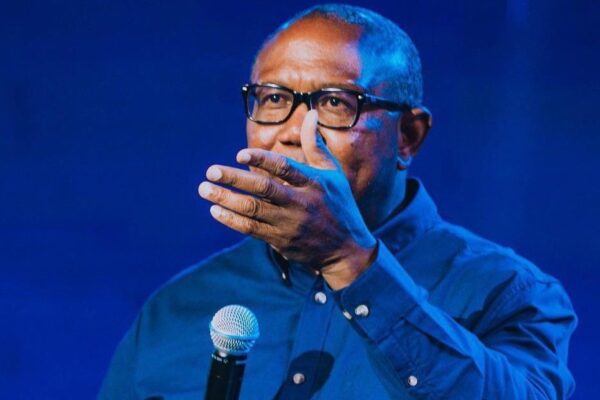
By Trend Brio News Desk | October 12, 2025 ABUJA — Former Anambra State Governor and 2023 Labour Party (LP) presidential candidate, Peter Obi, has raised alarm over what he described as a worsening mental health crisis in Nigeria, saying that the country’s deepening hardship is driving many citizens into psychological distress and criminality. In a post on his X (formerly Twitter) handle to mark World Mental Health Day, commemorated every October 10, Obi said that poverty, unemployment, and the struggle for daily survival have left millions of Nigerians mentally overwhelmed. “As the world celebrates Mental Health Day this weekend, it is troubling to note that a nation like Nigeria has deepening mental health crises,” Obi wrote. “A recent World Health Organisation (WHO) report estimated that about 40 million Nigerians are living with mental health conditions, with fewer than 300 psychiatrists available nationwide.” He lamented that the statistic reflects Nigeria’s “growing disinterest and neglect” of the health sector, emphasizing that mental health should be treated as a national priority. “Mental health is more important than physical health. Nigerians are now feeling so overwhelmed by hardship that they are mentally affected,” Obi stated. “Poverty, unemployment, and the daily battle to survive have pushed many, especially the youth, into hopelessness, criminality, and an increasing rate of suicide.” The LP flag bearer urged the federal government to declare a public health emergency on mental health and to invest massively in mental health infrastructure. He called for the establishment of psychiatric hospitals in all geopolitical zones, alongside the recruitment and training of more mental health professionals to bridge the gap in access to care. “We must also address the issues of poverty, unemployment, and hunger that are contributing to this mental problem and build a nation that heals, uplifts, and gives every citizen a reason to live,” he added. Obi concluded that Nigeria’s true progress should not be measured by the wealth of its leaders but by the well-being and development of its people.

Read More

ASUU Shuts Down Universities Nationwide As Two-Week Warning Strike Begins

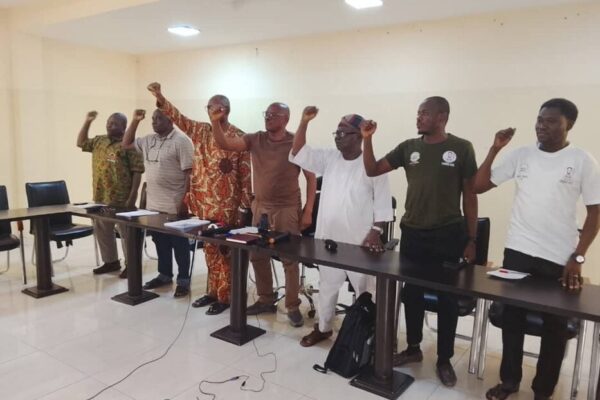
The Academic Staff Union of Universities (ASUU) has launched a two-week nationwide warning strike after the expiration of its 14-day ultimatum to the Federal Government. Speaking at a press conference in Abuja on Sunday, ASUU President, Professor Chris Piwuna, announced that the strike would take effect from midnight, marking the end of the ultimatum. He said the industrial action became necessary to compel the government to honor past agreements and resolve the persistent issues plaguing Nigeria’s public universities. ASUU had issued the ultimatum on September 28, 2025, as part of renewed efforts to address long-standing disputes with the government over funding, salaries, and working conditions. According to Piwuna, all efforts to reach a resolution failed, leaving the union with no choice but to act. “All branches of ASUU are hereby directed to withdraw their services from 12:01 am on Monday, 13th October 2025. The warning strike shall be total and comprehensive as agreed at the last NEC meeting,” he stated.  

Read More

Davido Fires Back At Troll Who Mocked His Plantain And Eggs Post

Davido has lashed out at a troll who tried to belittle his social media post featuring a simple home-cooked meal. The singer had shared a photo of fried plantain, peppered meat, and eggs while relaxing in his room, giving fans a glimpse of his laid-back moment. But one user criticized the post, saying it wasn’t worthy of being on his main page and should have been shared on Snapchat instead. Davido, clearly unimpressed, fired back saying, “Ur very stupid… nah u go tell me wetin to do with my life? I can’t post my plantain n eggs again… wtf y’all be on fr.”

Read More